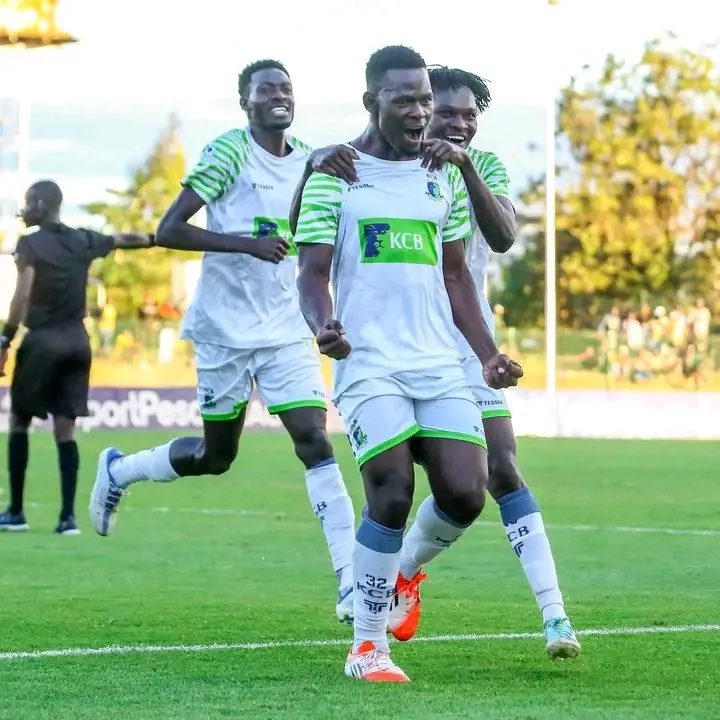
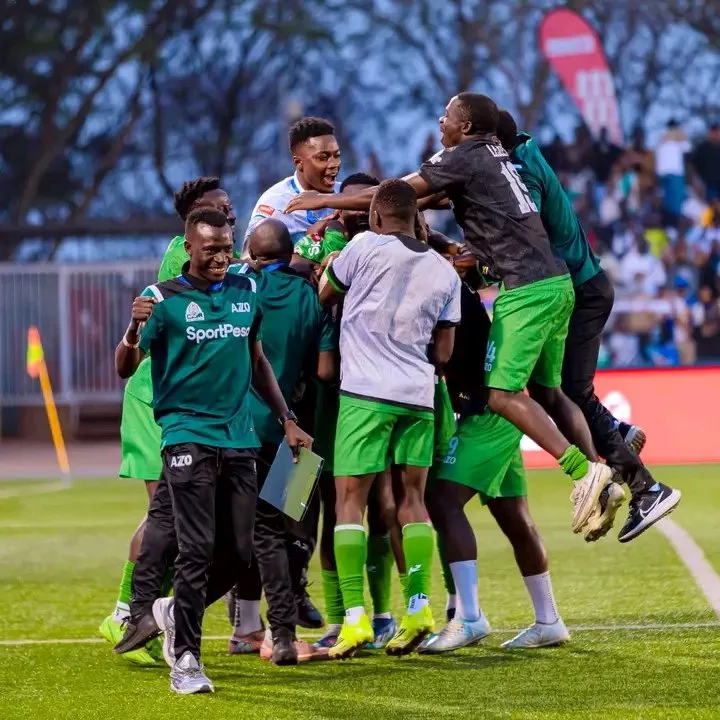
 Gor Mahia players celebrate their victory against Al Hilal in the Kagame Cup semi-final/HANDOUT
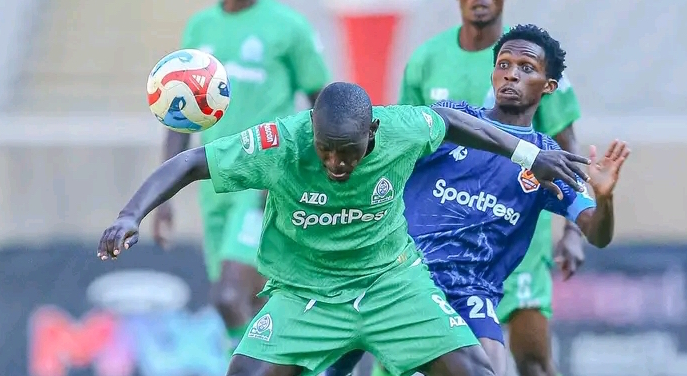
 Gor Mahia stormed into the 2026 CECAFA Kagame Cup final after edging Sudanese giants Al Hilal Omdurman 8-7 on penalties following a pulsating 1-1 draw at Kigali Pelé Stadium.
The Kenyan champions survived 120 minutes of a fiercely contested semi-final before keeping their nerve in a marathon shootout that produced dramatic twists from the opening kick to the final attempt.
Jackson Dwang was sent off around the 100th minute for a dangerous sliding challenge, leaving Gor Mahia with 10 men for the final 20 minutes against Al Hilal. Despite intense pressure, K’Ogalo held on for a 1-1 draw before winning 8-7 on penalties. Dwang will miss Friday’s final.
The victory sends K’Ogalo into Friday’s final, where they will face either Jamus or Rayon Sports, to keep alive their hopes of completing their Kigali campaign with silverware.
The match itself produced only two goals in open play, with both coming before half-time.
Gor Mahia took the lead when Al Hilal defender Steven Ebuela turned the ball into his own net, handing the Kenyan champions an early advantage.
Al Hilal responded before the break through Ansumana Samura, who became the only player to score a goal in open play as he restored parity for the Sudanese giants.
Neither side could find a breakthrough during the second half or extra time, despite both teams creating moments of pressure, sending the contest into a penalty shootout.
The drama intensified immediately. Gor Mahia right-back Daniel Sakari missed the opening penalty for the Kenyan champions, giving Al Hilal an early advantage and placing pressure on the subsequent takers.
But Gor Mahia recovered as the shootout developed into a remarkable exchange of successful penalties.
Ben Stanley was among the Kenyan players to convert, while goalkeeper Byrne Omondi also stepped forward during the sudden-death phase and confidently dispatched his penalty.
With both sides refusing to give ground, the shootout eventually reached its decisive moment.
Al Hilal's Musa Hussein stepped up with the opportunity to keep his side alive but sent his effort against the crossbar, handing Gor Mahia an extraordinary 8-7 victory.
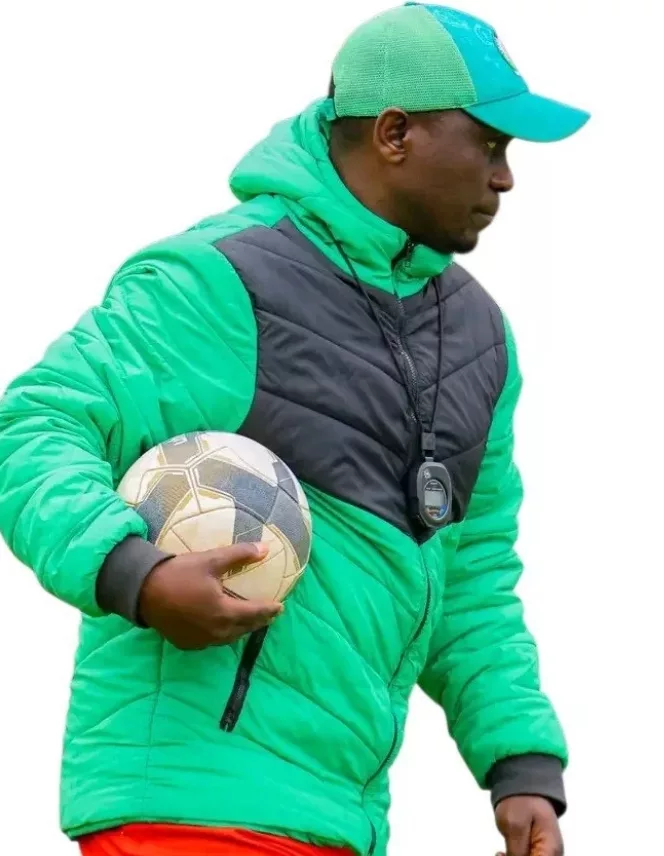
The result brought to life the tactical battle that was anticipated between Gor Mahia coach Charles Akonnor and his Al Hilal counterpart Guy Bukasa.
Akonnor revealed that his technical bench had carefully studied Al Hilal before the semi-final and identified weaknesses they believed could be exploited.
“We watched their last match; they are a good team, but we equally saw their weaknesses,” Akonnor said.
The Ghanaian tactician had to navigate another difficult evening with a squad that was badly affected by injuries during the tournament.
Gor Mahia have repeatedly been forced to reshuffle their line-up in Kigali, with the absence of key defenders placing additional responsibility on the remaining squad.
Yet Akonnor believes the team’s character and identity helped them survive the physical demands of a match that stretched into extra time.
“We are K’Ogalo, K’Ogalo the K’Ogalo family, and then the spirit of Gor Mahia will be with us,” he said.
That spirit was tested repeatedly, particularly after Sakari's early penalty miss appeared to put Gor Mahia on the back foot.
Instead, the Kenyan champions recovered and produced the composure required to remain in the shootout until Hussein's decisive miss.
For Akonnor, however, reaching the final does not disguise the areas that must be addressed before Gor Mahia turn their attention to the CAF Champions League.
The coach acknowledged that the tournament had exposed weaknesses in his squad, particularly at centre-back.
“There is a need for us to strengthen our centre-backs,” Akonnor said.
The admission is significant given the defensive injuries Gor Mahia have suffered in Kigali and the demands that await them in continental competition.
Akonnor must now balance the desire to win the Kagame Cup with the responsibility of protecting a squad that has already been stretched by injuries, fatigue and a demanding schedule.
His Al Hilal counterpart Bukasa approached the tournament from a different perspective, placing considerable emphasis on squad rotation and player management.
The Sudanese coach had deliberately rotated his players during the group stage, a strategy designed to minimise the risks of injuries and suspensions while preserving his strongest players for the knockout rounds.
Bukasa's philosophy was also built around controlling the critical moments of a match, particularly when possession changed hands.
“The is lost by the team that fails to control the key moments out of possession,” Bukasa said.
The semi-final ultimately proved to be a contest of such moments.
Gor Mahia profited from an Al Hilal own goal, while Samura's equaliser ensured the Sudanese side remained in the contest. Neither team could produce the decisive moment in the remaining 90 minutes or extra time.
Bukasa defended the logic behind his squad-management approach, arguing that rotation was necessary in a tournament where the physical demands could quickly take a toll.
The strategy allowed him to protect players from injuries and suspensions, although Al Hilal's eventual elimination means their tournament will now conclude in the third-place playoff.
Despite the disappointment, Bukasa remains committed to the possession-based philosophy that has guided his team throughout the competition.