Thousands of Universal Health Coverage workers are set for a windfall after a House team approved billions of shillings that would see them transitioned into permanent and pensionable terms.
The National Assembly’s budget committee has approved Sh8.6 billion to support the transition as proposed in the County Governments Additional Allocations Bill, 2026.
The workers have been serving on contractual and stipend arrangements and would be employed under county governments, effective July 1, 2026.
“The allocation is intended to facilitate the integration of the health workers into the county public service workforce with the governments UHC agenda,” the committee said.
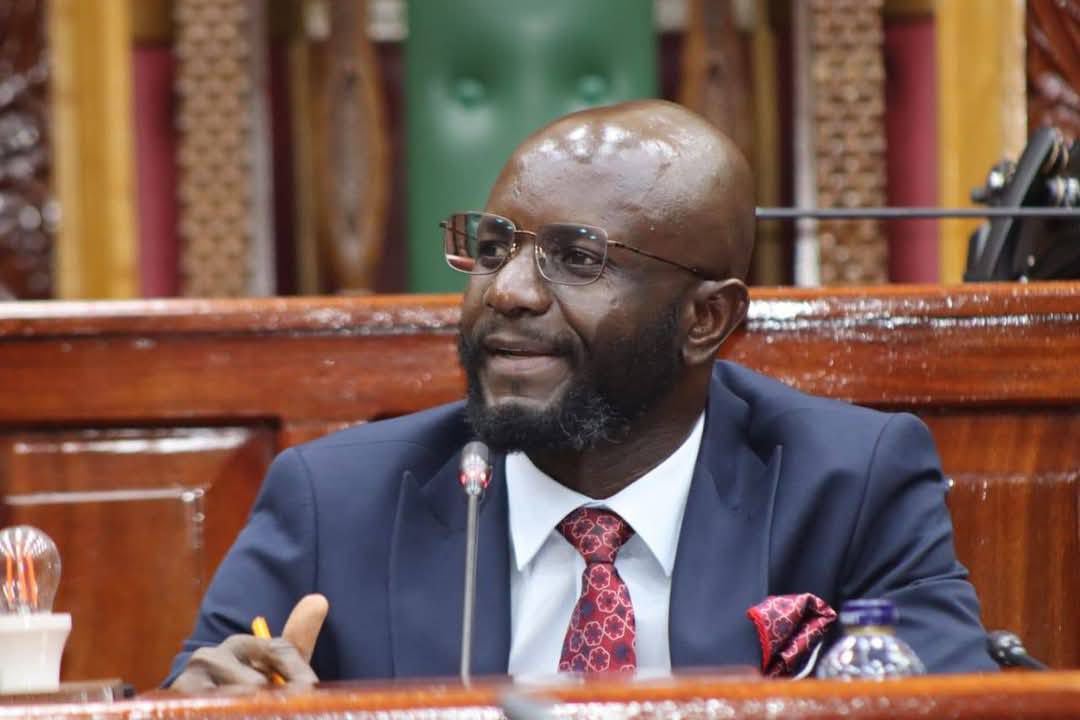
The Budget and Appropriations Committee, chaired by Alego Usonga MP Sam Atandi, has also approved Sh3.2 billion for payment of stipends to Community Health Promoters.
The programme has engaged 107,831 CHPs across the 47 devolved units with each receiving Sh5,000 every month, co-funded by national and county governments.
Nairobi has the highest CHP allocation of Sh224 million followed by Kakamega at Sh127.5 million and Bungoma at Sh107 million, with Lamu getting the lowest at Sh14.5 million.
The committee has also proposed cuts to the additional allocations, slashing Sh4.6 billion.
Among the biggest casualties is Sh3.5 billion that had been set aside in the bill for County Aggregation and Industrial Parks.
The House team said Parliament had already redirected a similar amount during approval of the 2026-27 budget estimates to equip and operationalise the completed parks.
In a report tabled in the House on July 29, the committee said the earlier allocation had been rationalised and redirected to provide the infrastructure needed to make the facilities functional.
The funds will instead go towards water connections, access roads, electricity and machinery for industrial parks in 16 counties.
The committee noted that although aggregation and industrial parks have already been completed in the beneficiary counties, many remain idle because they lack basic supporting infrastructure.
“Without these essentials, the intended agro-industries cannot effectively operate for value addition and value chain development,” the committee report states.
The parks programme was iniated by the Trade ministry during former Cabinet Secretary Moses Kuria's tenure.
MPs also struck out Sh480 million earmarked for an arbitral award to Meru county that was intended to settle an outstanding court award arising from the wrongful eviction of a company from Meru National Park.
The committee said the allocation could not stand because it had not been approved in the overall budget estimates.
Atandi-led team argued that the allocation was contrary to Section 5(10) of the Public Finance Management Act, which requires all such monies to be reflected in the budget.
Another casualty is Sh850 million that had been proposed for the Kenya Water and Sanitation Development Programme, a World Bank-funded project.
The committee said it established that the full allocation for the programme had already been disbursed to beneficiary counties and that the project is scheduled to close in October 2026, making the additional funding unnecessary.
“No further allocation should be made to the programme in the financial year 2026-27 County Governments Additional Allocation Bill,” the report says.
Despite the proposed reductions, counties are still set to receive Sh72 billion in additional allocations once Parliament approves the Bill.
The package comprises Sh16.5 billion from the national government's share of revenue, Sh53.8 billion from loans and grants provided by international development partners, and Sh2 billion in unconditional allocations.
The unconditional allocations include proceeds from court fines and 20 per cent of mineral royalties due to counties with active mining operations.
MPs, however, raised concerns over the persistent delays in the disbursement and absorption of additional allocations to counties, which total Sh72 billion in the current financial year.
According to the committee, transfers have consistently been delayed because some county governments have failed to meet conditions required before the funds can be released.
“The committee is concerned that the disbursement and utilisation of these funds has consistently been delayed due to some county governments' failure to comply with the conditions required for the transfer of the allocations,” the report says.
The committee further accused some counties of diverting money from special purpose accounts to finance other expenditures, contrary to agreements governing the funds.
Development partners require counties to deposit money received from the national government into designated special purpose accounts before accessing donor financing.
“These actions violate the terms of intergovernmental participation agreements,” the committee said.
The funds will support devolved functions linked to the national government including agriculture projects, urban development initiatives and locally led climate resilience programmes.