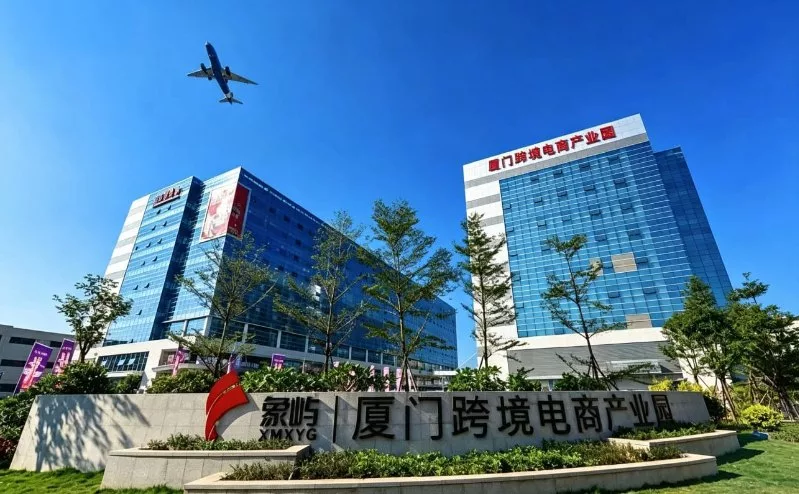
 Xiamen crossborder e-commerce industrial park and Chinese-made EVs being shipped from Xiamen Port.
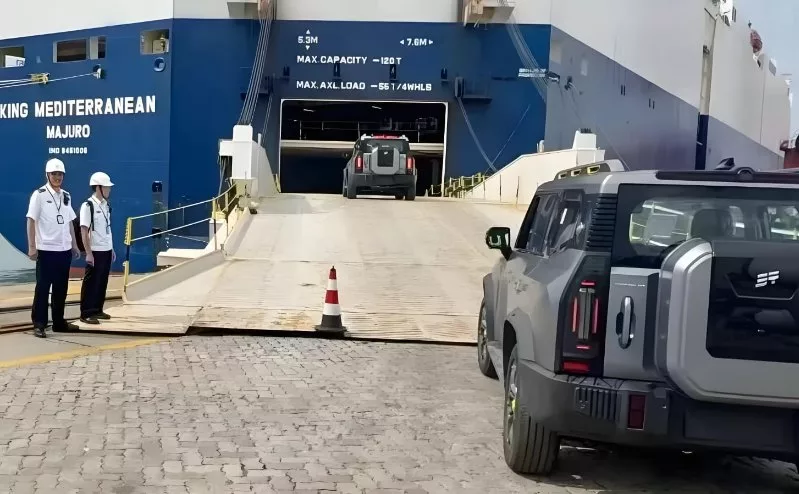 Xiamen cross-border e-commerce industrial park and Chinese-made EVs being shipped from Xiamen Port.
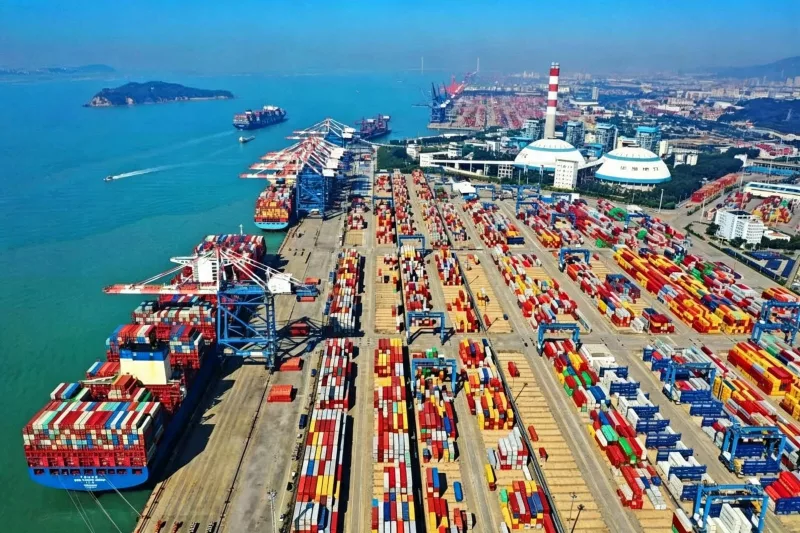 A container terminal at Xiamen port, China.
It is good ground to learn how technology, regulatory reforms and smarter customs procedures can greatly reduce the cost of doing business.
Xiamen has reported a 30 per cent reduction in customs clearance time after rolling out a series of reforms geared to speed up cross-border trade, lower logistics costs and make exports more competitive.
The Chinese city has been selected for the fifth consecutive year as one of the country's pilot cities implementing the 2026 Cross-Border Trade Facilitation Initiative.
The drive focuses on simplifying customs procedures, digitising port operations and improving logistics connectivity.
Its latest achievements come at a time when Kenya is investing heavily in the Port of Mombasa, the Standard Gauge Railway and digital customs systems.
The interventions are to strengthen Nairobi’s position as the main gateway for cargo destined for Uganda, Rwanda, South Sudan, eastern Democratic Republic of Congo and other regional markets.
The reforms implemented in Xiamen revolve around six areas including making imports and exports faster, supporting new business models, improving customs innovation, enhancing logistics connectivity, building smart ports and offering integrated services to businesses.
According to authorities, 20 trade facilitation measures have already been implemented, resulting in lower business costs and faster movement of goods.
One of the biggest gains has come from customs supervision.
Xiamen became one of the first Chinese cities to pilot an integrated water-to-water multimodal transport system that links cargo declarations, arrival information and customs release into one seamless process.
The reforms have cut customs clearance time by 30 per cent while reducing logistics costs by 20 per cent.
For Kenya, where delays at ports and border points have historically increased the cost of imports and exports, such reforms are worthy lessons.
They highlight the importance of integrating customs, shipping and transport systems rather than operating them separately.
Another major innovation has been the expansion of Xiamen's International Trade Single Window.
The platform allows traders to submit documents only once, after which the information is automatically shared with all relevant government agencies, including customs, immigration and maritime authorities.
The result is that businesses no longer have to file multiple sets of paperwork with different agencies. Authorities say the average declaration time for every shipment has fallen by more than 30 minutes.
Kenya has made progress through the Kenya TradeNet System and ongoing digitisation under the Kenya Revenue Authority.
However, businesses continue to call for greater integration among government agencies involved in cargo clearance.
Some lament that the clearance processes are unreasonably long. Xiamen has also invested heavily in smart port technology.
Its upgraded customs services platform now integrates 15 different services covering customs declarations, inspections, logistics and cargo clearance.
The city has further digitised health inspections for ships by allowing quarantine certificates to be applied for, processed and issued entirely online.
Processing now takes less than five minutes. Officials estimate the digital reforms save businesses more than RMB400 million every year by reducing vessel waiting time and other port-related costs.
The city has also developed an integrated digital logistics platform linking shipping companies, rail transport and port operators, enabling real-time sharing of cargo information across the entire supply chain.
Beyond improving efficiency, Xiamen is using trade facilitation to support emerging industries.
The city has positioned itself as a major export hub for new energy vehicles by integrating manufacturing, shipping, logistics and port services into one coordinated ecosystem.
During the first six months of the year, the port handled 18,367 roll-on/roll-off exports of electric vehicles, representing a 218 per cent increase compared with the same period last year.
The reforms demonstrate that improving customs systems is not simply about reducing paperwork but also about attracting investment and supporting new industries.
Another initiative has been the establishment of the Xiamen Free Trade Global Sustainable Development Innovation Centre.
The facility brings together government agencies, international standards organisations and private companies.
They help businesses meet global environmental, social and governance (ESG) requirements demanded in export markets.
The centre has already attracted 30 leading international ESG organisations, strengthening the competitiveness of Chinese exporters in overseas markets.
For Kenya, which is seeking to expand exports under the African Continental Free Trade Area, deepen trade with China and access premium markets in Europe and elsewhere, the Xiamen experience illustrates how efficient customs systems, integrated digital platforms and coordinated government services can reduce business costs while boosting competitiveness.