Illicit financial flows are depriving African countries of resources needed to fund hospitals, schools, decent jobs and social protection, the International Trade Union Confederation-Africa (ITUC-Africa) has warned.
The continental labour organisation said African economies could no longer afford to lose public resources through corruption, tax avoidance, financial secrecy, unfair deals and the concealment of stolen assets.
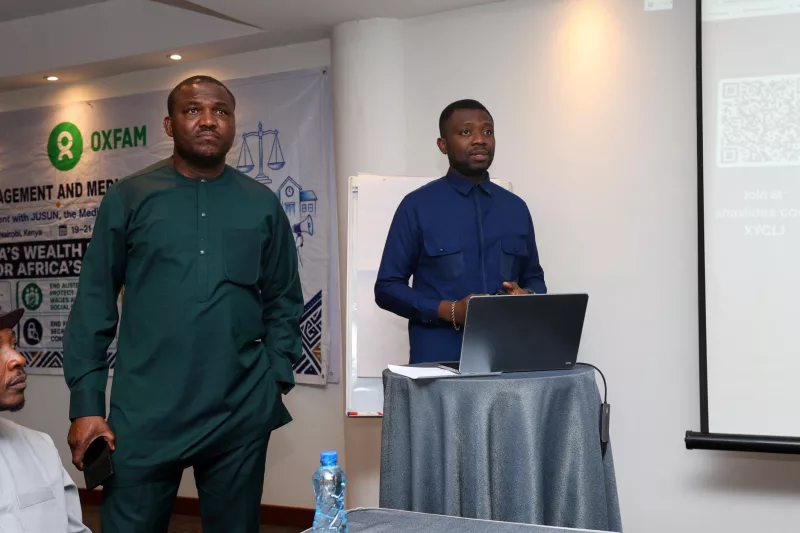
In a statement issued in Nairobi, ITUC-Africa General Secretary Joel Akhator Odigie said the continued loss of resources was undermining Africa’s development, while workers and communities were being subjected to austerity, unemployment, low wages and deteriorating public services.
“Every dollar lost through illicit financial flows, corruption, tax avoidance, financial secrecy and unfair deals is a dollar denied to hospitals, schools, decent jobs, pensions, social protection and the future of African children,” Odigie said.
ITUC-Africa called on African governments to strengthen measures to detect and stop illicit financial flows while pursuing the recovery of assets stolen from public institutions.
The organisation also demanded greater transparency in public budgets, government loans, contracts and procurement, arguing that public office should not be used as a gateway to private enrichment.
It urged governments and international partners to ensure that those involved in stealing public resources, facilitating secret transactions or shielding illicit wealth are exposed and held accountable.
“Africa’s wealth must work for Africa’s people. Public money must serve the public good—not private enrichment,” Odigie said.
The labour body said the continent needed to move away from economic policies that placed the greatest burden on workers and low-income communities.
It advocated for fair taxation, accountable governance, productive investment, decent work, quality public services and universal social protection as the foundation for sustainable development.
ITUC-Africa also cautioned African governments against accumulating unsustainable debt in the push to expand electricity access under Mission 300.
While supporting efforts to achieve universal access to affordable and reliable electricity, the organisation said energy investments should be transparent, create decent jobs and support industrial development.
It warned that Mission 300 should not become “Debt 300”, particularly where projects involve opaque loans and contracts that could leave future generations carrying the financial burden.
The organisation called for transparency in energy financing and public procurement, saying investments must deliver affordable power and measurable benefits to citizens.
In Kenya, the fight against illicit financial flows also falls within the broader mandate of the Office of the Director of Public Prosecutions (ODPP), particularly where investigations uncover evidence of corruption, money laundering and other financial crimes requiring prosecution.
Director of Public Prosecutions Renson Ingonga, speaking separately, said his office was working “in overdrive” to ensure illicit financial flows were checked, with prosecutors pursuing cases aimed at protecting public resources and strengthening accountability.
The DPP emphasised the need for closer cooperation among agencies involved in detecting, investigating and prosecuting financial crimes to ensure that illicit funds do not undermine Kenya’s economy.