Kenyan musician KRG the Don has weighed in on rivalry within the local music industry, arguing that artists often struggle to support one another whenever a new hitmaker emerges.
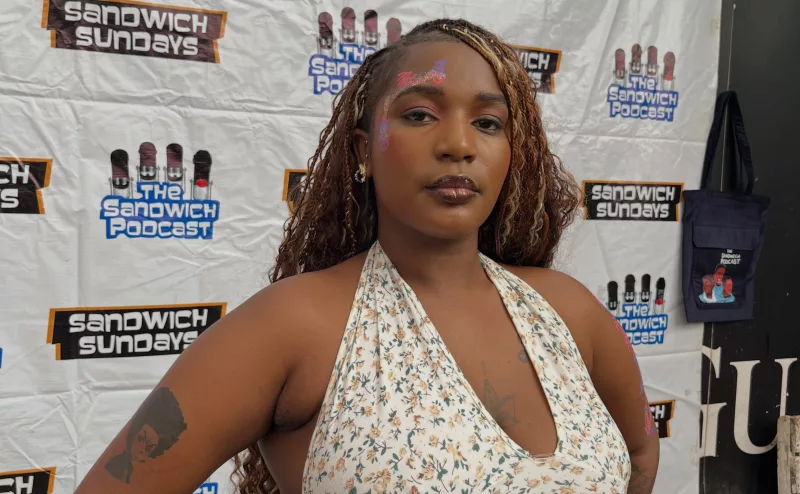
Speaking during an interview on the Mic Cheque Podcast, hosted by Mwas and Chaxxy, the artist reflected on competition in the industry and responded to questions about his past differences with veteran musician Redsan.
Competition and Lack of Unity Among Artists
According to KRG, conflicts in the music scene go beyond ordinary disagreements and are fueled by a culture of competition among artists.
"Unajua muziki iko na mambo mingi kuliko maisha ya kawaida. Zile beef mtu hupick kwa muziki, sijui ni culture gani sisi tuko nayo. Wasee wa Kenya hawapendanangi. Sahii msanii akitokea apige hit kali, wasanii hawafurahii. Mafans ndio wanaenjoy muziki ni kali lakini wasanii, kwanza msanii amekuwa for long anaona ni kama huyu anakuja kunitoa timing. Hawaunderstand ati kwamba hawa mafans, you don't own them, they only listen to what's dominating," KRG said.
His remarks came after the hosts sought his opinion on the long-running disagreements he has previously had with Redsan.
Rather than focusing on the individual dispute, KRG broadened the discussion to what he described as a wider challenge affecting Kenya's music industry, where established artists may perceive the success of newcomers as a threat instead of an opportunity for the industry to grow.
The Downfall of Gengetone
The conversation later shifted to the rise and eventual decline of the Gengetone movement. Chaxxy asked KRG what he believed contributed to the genre losing momentum after producing several chart-topping acts.
Responding with a proverb, KRG suggested that financial success alone is not enough without the knowledge to manage it.
"Ukiomba upate pesa, omba pia upate akili juu ushaikuta mtu hajawahi shika pesa, akipata pesa anakuwa kituko," he said.
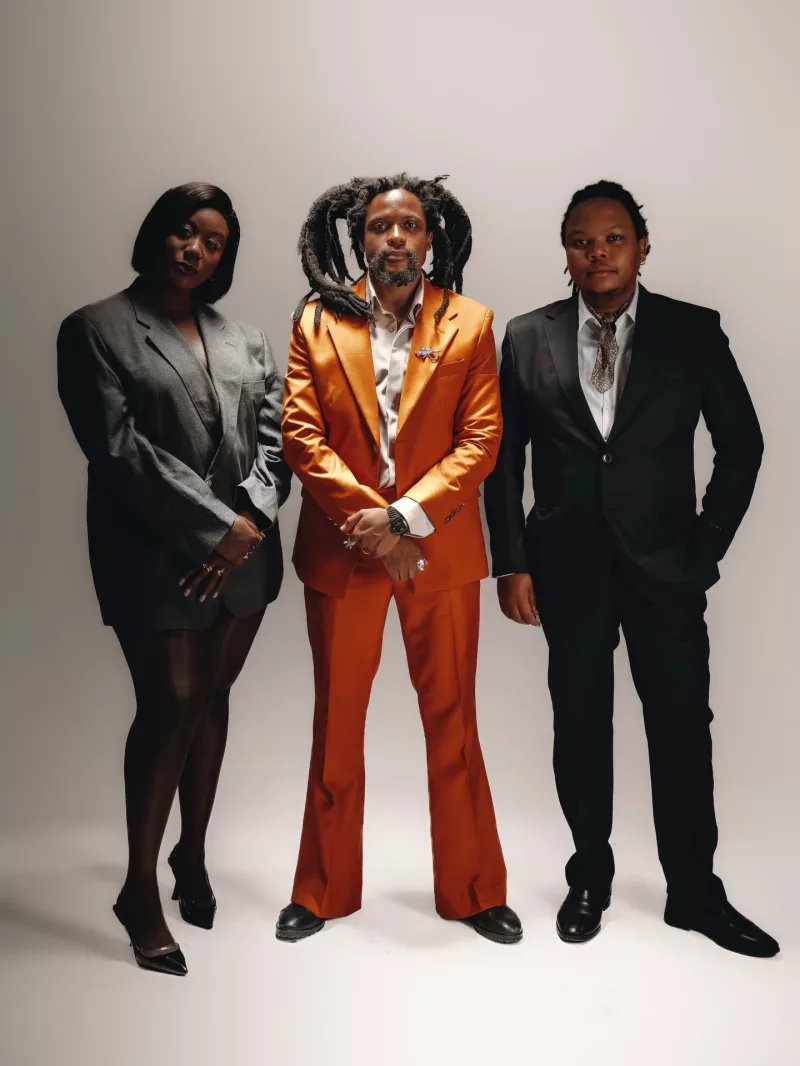
According to KRG, some musicians were unprepared for the business side of the industry, making it difficult to sustain their careers after their initial breakthrough.
Public Reactions and the Ongoing Industry Debate
KRG's remarks generated mixed reactions online, with many users agreeing with parts of his assessment of Kenya's music industry.
Reacting to his comments, @kamau_ke wrote, "He's right. Kenyan artists celebrate fans but rarely celebrate each other's success."
On the discussion surrounding Gengetone. Meanwhile, @254MusicFan argued that industry unity could make a difference, stating, "Competition is normal, but collaboration would take the industry much further."
Another user, @NjugunaWK, singled out one of KRG's remarks, saying, "The statement about fans not belonging to any artist is probably the biggest takeaway from the interview."
Echoing KRG's views on the business aspect of music, @WanjiruMedia remarked, "Whether you like KRG or not, the business side of music is something many upcoming artists overlook."
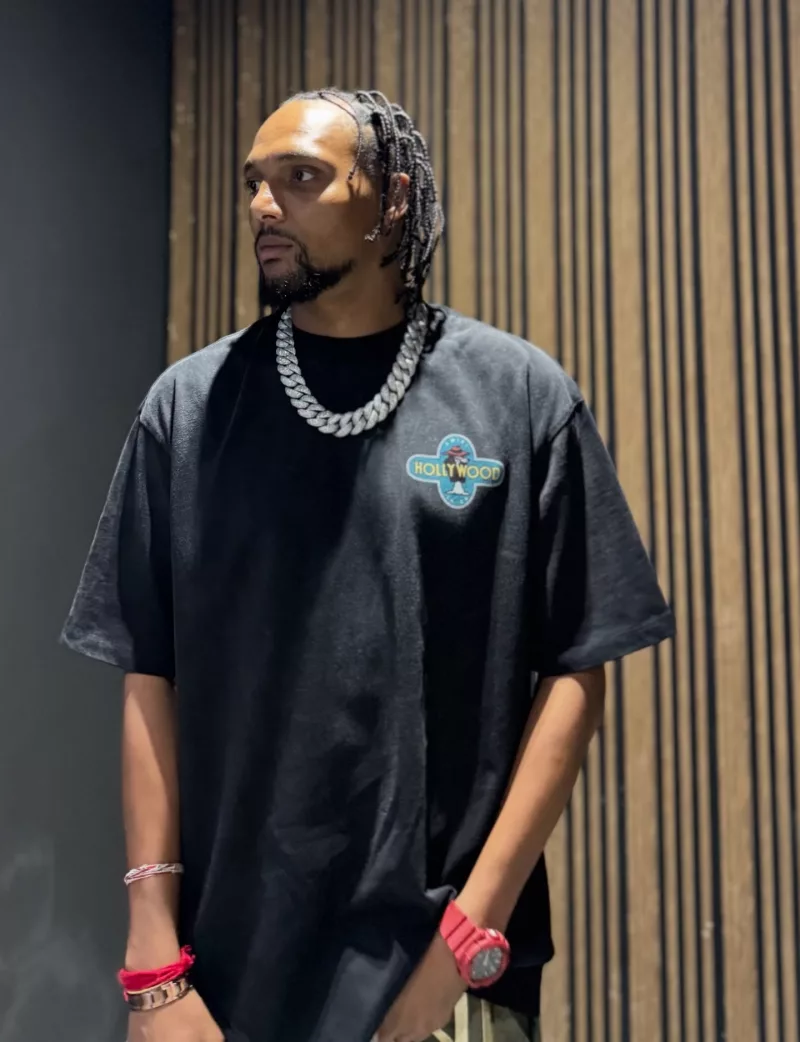
KRG's remarks come amid longstanding discussions about competition within Kenya's music industry, where artists have frequently accused one another of failing to support colleagues who break through with hit songs while others feel entitled in the music entertainment space.
The debate has also resurfaced in conversations about the decline of Gengetone.
The genre dominated the country's music scene between 2018 and 2021 through groups such as Ethic Entertainment, Sailors Gang, Boondocks Gang and Ochungulo Family.