The Public Petitions Committee rejected a petition by fraud management consultant Bernard Muchere, who alleged that NHIF management used ‘Incurred But Not Reported’ claims to siphon billions of shillings.
But MPs at the committee chaired by Runyenjes MP Muchangi Karemba concluded that the disputed reserves were a standard insurance accounting requirement.
Regardless, the committee has directed the Auditor General to conduct a forensic audit of all IBNR funds set aside since the practice began and how the money was eventually paid out.
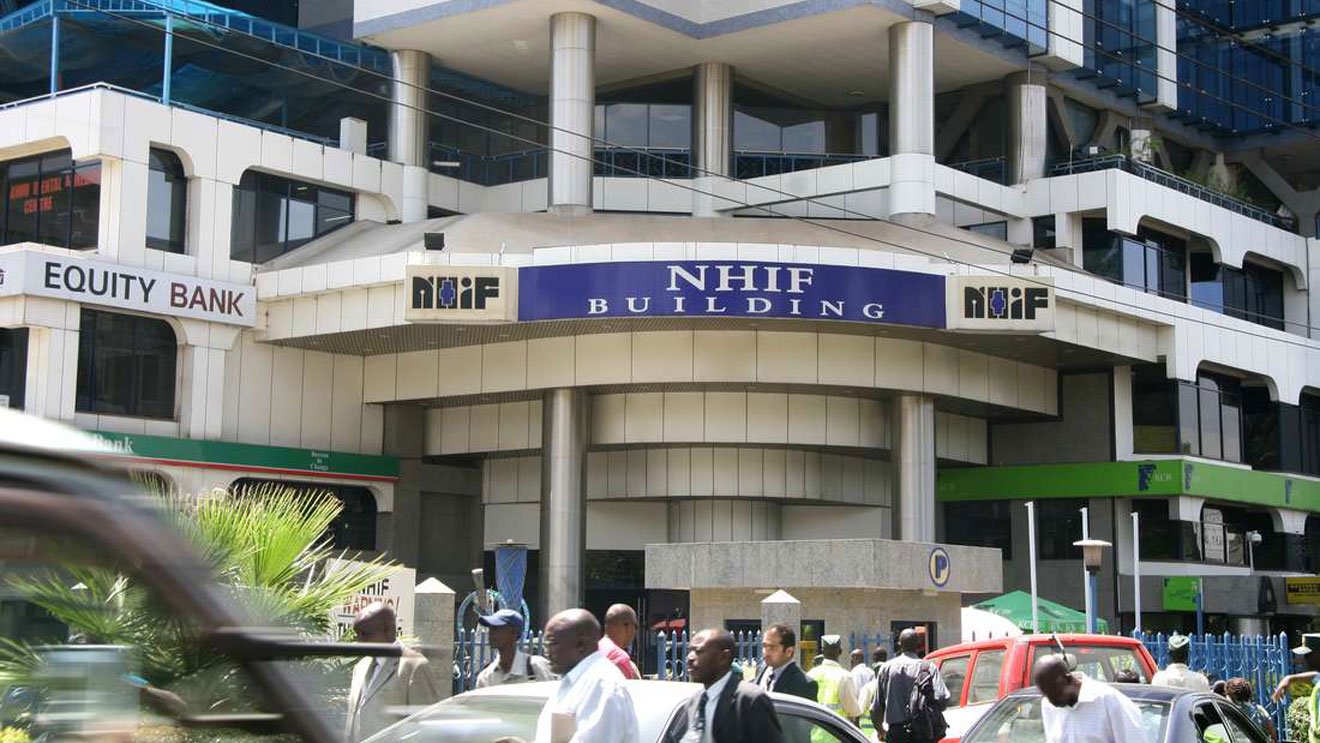
The dispute centred on Sh21.1 billion captured as IBNR provisions in NHIF's financial statements for the year ending June 30, 2022.
Muchere had petitioned Parliament, arguing that NHIF's electronic pre-authorisation system meant all claims were known before treatment, making IBNR provisions unnecessary.
He claimed the reserves were “fraudulently created” to facilitate arbitrary payments to healthcare providers, while creating artificial cash shortages that left contributors unable to access treatment.
In the petition, Muchere further argued that the decision to recognise IBNR claims represented a major policy shift that was not adequately explained in the fund's financial statements.
He claimed the then NHIF chief executive officer and board chairperson ‘consciously avoided mentioning and explaining the basis for the IBNR claims’ in their reports accompanying the 2022 financial statements.
The petitioner also questioned how an actuarial firm involved in the dealings was procured or how it arrived at the estimates for the claim-generating events.
He further alleged that no such reserves had existed in previous financial years and claimed the 2020-21 audited accounts were not restated properly by converting billions of shillings into IBNR claim reserves.
Muchere urged Parliament to compel NHIF management to prepare accurate financial statements, identify healthcare providers who allegedly benefited from ineligible payments, and recover any money found to have been irregularly disbursed.
However, the committee found no evidence to support claims that the accounting entries were fraudulent.
When he appeared before MPs, Medical Services PS Ouma Oluga defended the practice, saying IBNR reserves are recognised globally under International Financial Reporting Standard 17 (IFRS 17).
He explained that although patients receive treatment after pre-authorisation, hospitals only submit their claims after a patient has been discharged.
As a result, insurers must estimate liabilities for services already provided but not yet billed by the reporting date.
According to the ministry, IBNR does not tie up cash but merely records an expected liability in line with accepted accounting principles.
The Insurance Regulatory Authority equally told the committee that IBNR reserves are a mandatory component of insurance liabilities and are widely used across the insurance industry.
The ministry also presented an actuarial analysis to support the estimates.
It told MPs that Sh14.4 billion was subsequently paid from the IBNR provisions, leaving a balance of about Sh6.6 billion, demonstrating what it described as a 99.9 per cent accuracy rate in the actuarial estimates.
The ministry maintained that the allegations of a Sh21 billion scam amounted to a misunderstanding of a standard actuarial practice necessary to protect contributors' funds and maintain the fund's solvency.
After considering submissions from the petitioner, the Ministry of Health and the Insurance Regulatory Authority, MPs agreed with the government's position.
"The recognition of IBNR provisions in the financial statements of the National Hospital Insurance Fund for the year ended 30th June 2022 is consistent with accepted insurance and accounting practices, IFRS 17, which requires insurers to account for all incurred claims, including those not yet reported as at the reporting date," the report reads in part.
The committee further observed that IBNR provisions are ‘a standard and mandatory component of insurance liabilities in the industry’ as affirmed by the Insurance Regulatory Authority.
Even so, MPs warned that such provisions must always be backed by credible actuarial models and historical claims data.
The report notes that unsupported IBNR entries could amount to false liabilities and breach International Public Sector Accounting Standards governing provisions and liabilities.
"The accurate estimation of IBNR provisions is critical for maintaining insurer solvency, safeguarding policyholder interests and ensuring the stability of the insurance sector," the committee said.
Despite dismissing Muchere's central allegations, the committee said an independent forensic examination was necessary to reinforce public confidence.
The forensic audit is to cover all IBNR funds set aside since inception and the eventual payments made, with the exercise to be completed within six months (November.
MPs also declined to compel NHIF management to redraw its financial statements, noting that both NHIF and its successor, the Social Health Authority, have been compliant.
On Muchere's request for recovery of allegedly lost funds, the committee said any action should await the outcome of the forensic audit.