A swipe lasts only a second. Yet for many people, those seconds quietly become hours, days, and even years.
As short-form video platforms continue to dominate digital life, more users are beginning to question what they may have gained and what they may have lost.
That conversation has resurfaced after Kenyan content creator Nyako reflected on her decision to leave TikTok, saying the platform had taken a significant toll on her life.
Advertisement
Advertisement
"I left TikTok, and it damaged me big time. I can't turn back the time TikTok took from my life, but I can choose to become a better person," Nyako said in a recent video.
Her remarks have sparked wider discussion about the growing influence of social media platforms, particularly TikTok, on mental wellbeing, productivity and personal relationships.
When Entertainment Becomes Habit
TikTok has become one of the world's fastest-growing social media platforms, attracting millions of users through its personalised recommendation algorithm.
Advertisement
Advertisement
Every like, comment, share and swipe helps shape the next video shown, making it easy for users to remain on the platform far longer than they intended.
Research suggests these design features encourage prolonged engagement and repeated use.
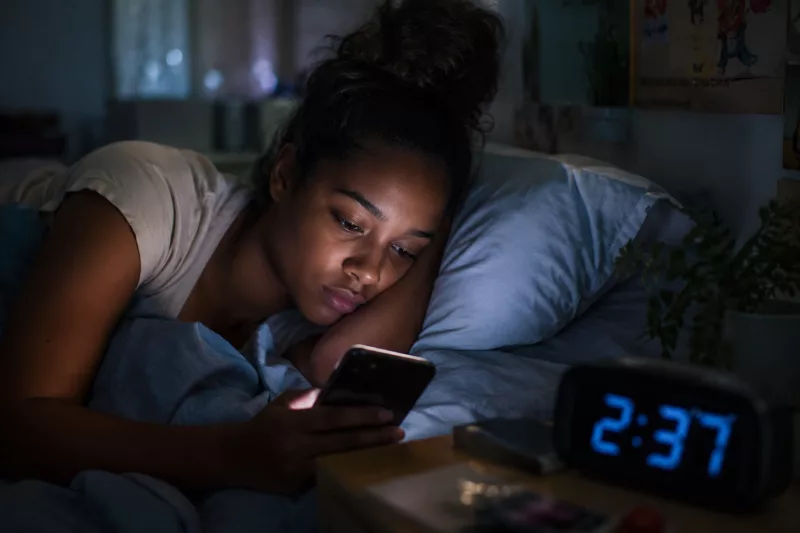
Tiktok inluence // Gemini
While the platform has created careers for content creators, musicians, small businesses and educators, experts say excessive use may also come with unintended consequences.
The Cost Beyond the Screen
Mental health researchers have linked problematic social media use, including excessive TikTok consumption, with higher levels of anxiety, poor sleep quality, stress and reduced attention span.
They caution, however, that these studies show associations rather than proving TikTok directly causes these conditions.
Nyako's reflection echoes those experiences, focusing not on money or popularity but on time she believes she cannot recover.
Many former users describe losing track of time, struggling to complete daily tasks, and finding themselves constantly reaching for their phones, even during work, study, or family time.
"I can't turn back the time TikTok took from my life." Nyako.
Finding a Healthier Balance
The growing conversation around TikTok is no longer centred solely on entertainment.
Increasingly, it is about how people manage their time and attention in an age of constant digital engagement.
Mental health professionals generally encourage users to set screen-time limits, take regular breaks and maintain activities away from social media, such as spending time with family, exercising or pursuing offline hobbies.
Nyako's decision to step away from TikTok has added another voice to that debate.
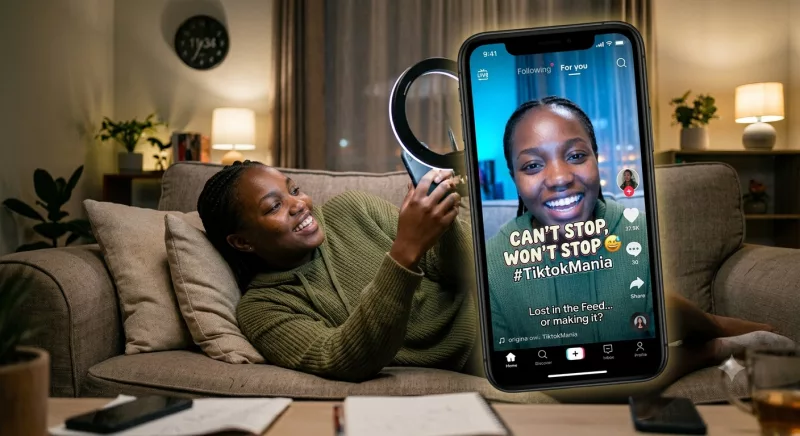
Tiktok inluence // Gemini
Rather than focusing on the platform itself, her message reflects a personal realisation that, while opportunities can always return, time spent cannot.
As conversations around digital wellbeing continue, her remarks have reignited a question many users are beginning to ask themselves: when the scrolling stops, what remains?