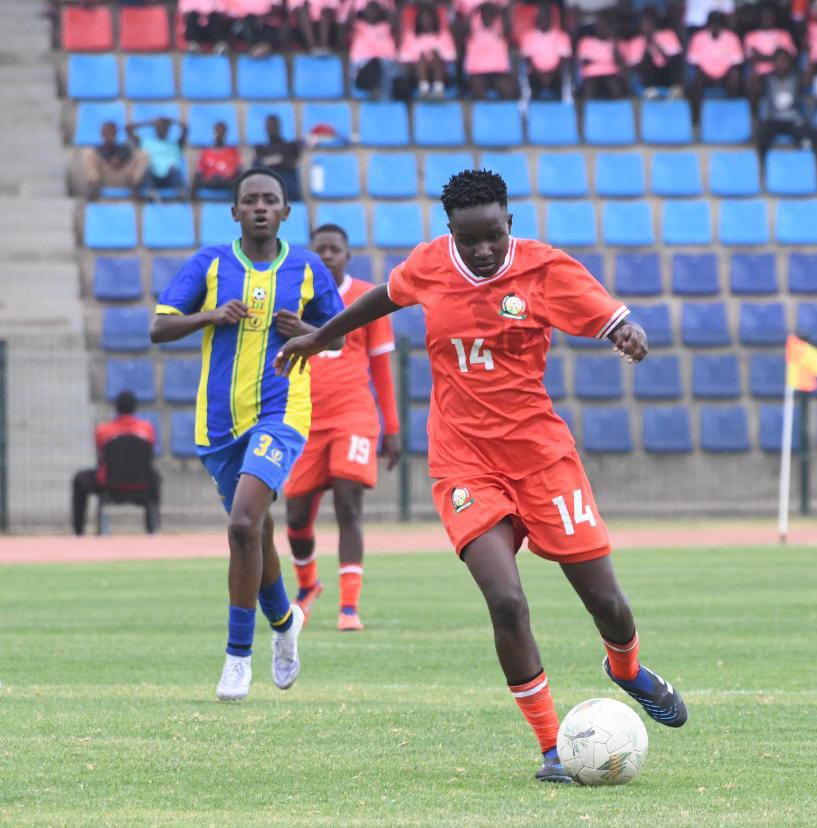
 Rising Starlets' Lorna Faith dribbles the ball past Tanzanaia's Hasnath Ubamba during tehir World Cup qualifier match at Ulinzi Complex on February 7, 2026/ FILE
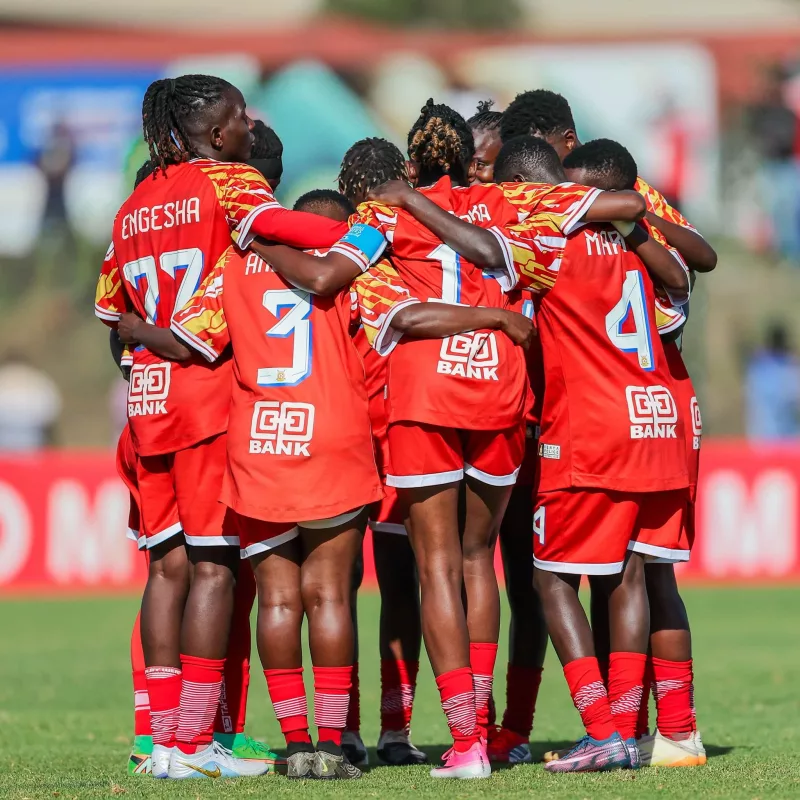
When the Harambee Starlets and their Under-17 counterparts, the Junior Starlets, walked through the gates of State House this week, it should have been a moment of pure national celebration.
Kenya was celebrating a rare footballing triumph — two women’s national teams qualifying for major global competitions: the 2026 Women’s Africa Cup of Nations (WAFCON) and the FIFA U-17 Women’s World Cup.
The images were powerful. The smiles were wide. The applause was loud. A Sh33 million state reward package and a presidential reception appeared to signal a country finally embracing its sporting heroines.
But beneath the cameras, handshakes, and congratulatory speeches lay a painful reality. The players' voices exposed a football system struggling to match the dreams it demands from its athletes.
Harambee Starlets captain Mwanalima Adam and Junior Starlets skipper Berveline Awuor did not simply deliver routine words of appreciation. They used the country’s highest office to reveal the struggles hidden behind the glory — financial hardship, broken promises and years of neglect.
Their message was clear: Kenyan football cannot continue to celebrate victories while ignoring the suffering of those who deliver them. The reality check arrived almost immediately.
Barely 24 hours after standing proudly beside the Head of State, Harambee Starlets players found themselves protesting outside Football Kenya Federation (FKF) headquarters in Kasarani, demanding unpaid allowances and threatening to boycott their pre-tournament preparations.
The chants of “No money, no France” were not cries of rebellion. They were cries of frustration from athletes who have carried Kenya’s flag but have often struggled to carry themselves financially.
The contrast was painful — from the grandeur of State House to the desperation of the streets of Kasarani. It exposed the uncomfortable truth about how Kenya treats its sporting heroes: celebrated when victorious, forgotten when the cameras disappear.
Captain Awuor’s revelation that some Junior Starlets players come from families struggling to afford necessities should shake the foundations of sports administration.
These teenagers have defeated continental giants such as South Africa. They have earned Kenya a place on the global stage. Yet many are still fighting battles far removed from the football pitch. They are young athletes carrying national dreams while their own dreams remain threatened by economic hardship.
That reality should not inspire sympathy alone. It should demand action.
For too long, Kenyan football has survived on a crisis-management culture. Administrators wait until players protest, boycott training or raise public alarm before emergency solutions are found.
The release of Sh20 million to resolve the Kasarani standoff only raises a difficult question: if the money can be found during a crisis, why are players forced to suffer before receiving what they are owed?
National team duty should be a privilege and a pathway to opportunity — not a financial burden.
No player representing Kenya should have to choose between honouring national duty and struggling to meet basic personal needs.
The unequal treatment between men’s and women’s football remains one of the biggest stains on Kenya’s sporting landscape. Women athletes continue to achieve historic milestones with far fewer resources, fewer opportunities and less recognition.
The Starlets have ended a decade-long WAFCON qualification drought. The Junior Starlets are heading to their second FIFA U-17 Women’s World Cup.
They have achieved what generations of Kenyan football teams have failed to accomplish. They have earned respect. They have earned investment. They have earned dignity.
As both teams prepare for their international assignments in Morocco and France, the government must move beyond symbolic rewards and temporary celebrations. A presidential gift is appreciated, but it cannot replace a functioning system.
What Kenyan footballers need is not sympathy after success, but security before success — guaranteed allowances, structured contracts, monthly support programmes, medical insurance and professional welfare systems. Corporate Kenya must also answer difficult questions.
Brands cannot appear only when athletes qualify for global tournaments, celebrating empowerment and inspiration while ignoring the grassroots structures that produce these stars.
Women’s football needs long-term investment, not occasional publicity campaigns.
The Sports Ministry, under Cabinet Secretary Salim Mvurya and FKF leadership, must confront this reality: poverty should never be part of the mythology of Kenyan sporting success.
Our athletes should not be celebrated because they succeeded despite hardship. They should succeed because the system supports them.
The Harambee Starlets and Junior Starlets have already proved their patriotism on the field.
Now Kenya must prove its patriotism off it — not through speeches and ceremonies, but through policies that protect the women who carry the nation’s hopes. A country that demands greatness from its athletes must first give them the dignity they deserve.