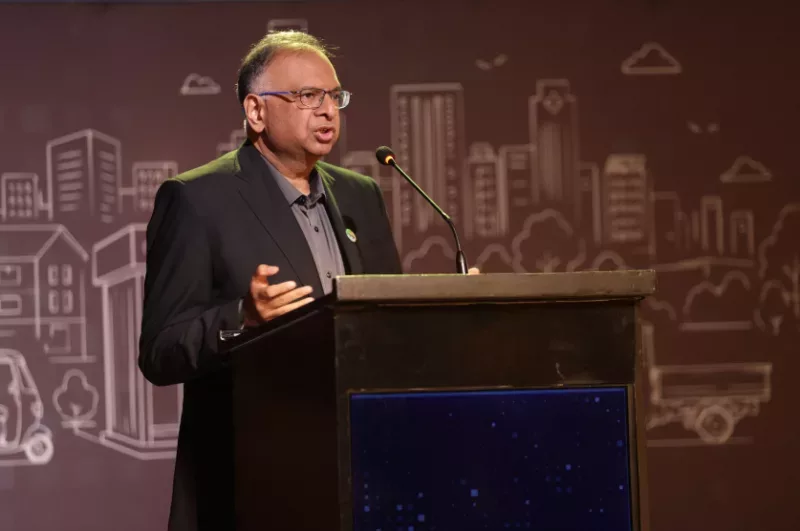
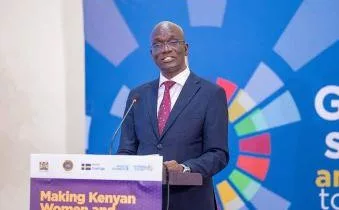
 Economic Planning PS Boniface Makokha /FILE
The government has launched a new grassroots engagement programme aimed at giving ordinary Kenyans a greater say in how national policies and budgets are developed.
The initiative, known as Gumzo La Mashinani, seeks to take economic discussions out of government offices and into communities so that development plans reflect the needs and priorities of wananchi.
Economic Planning PS Boniface Makokha said the programme brings together youth, university students, religious leaders, business people and community groups to contribute to government planning.
He spoke during a grassroots economic dialogue with religious leaders under the Brethren-to-Brethren Initiative at Pan Africa Christian University in Roysambu.
Makokha said the initiative is anchored in the constitution, which gives citizens the right to participate in decisions affecting their lives, especially development planning.
"Every government programme begins with a plan. If the voices of ordinary Kenyans like Wanjiku, boda boda riders, mama mboga traders and young people are missing from that plan, then they will also be missing from the budget," he said.
The PS said the government wants the Bottom-Up Economic Transformation Agenda (BETA) to be driven by ideas from the grassroots rather than policies designed only in Nairobi offices.
"We want the voices from the grassroots to shape our policies, influence our decisions and ultimately determine how public resources are allocated," Makokha said.
The dialogues have been held in Migori, Kakamega, Kajiado, Busia, Kisumu, Taita Taveta and Meru counties, with more counties expected to host similar forums in the coming months.
According to the World Bank, involving citizens in decision-making improves transparency, strengthens accountability and helps governments design services that respond to local needs.
Makokha said one of the biggest benefits so far has been improved communication between the government and citizens, helping address misinformation and giving communities an opportunity to ask questions directly.
"People appreciate that government officers are leaving their offices and coming to the communities to explain programmes and answer questions," he said.
"This has helped reduce misinformation, especially during discussions around the recent Budget Statement and Finance Bill."
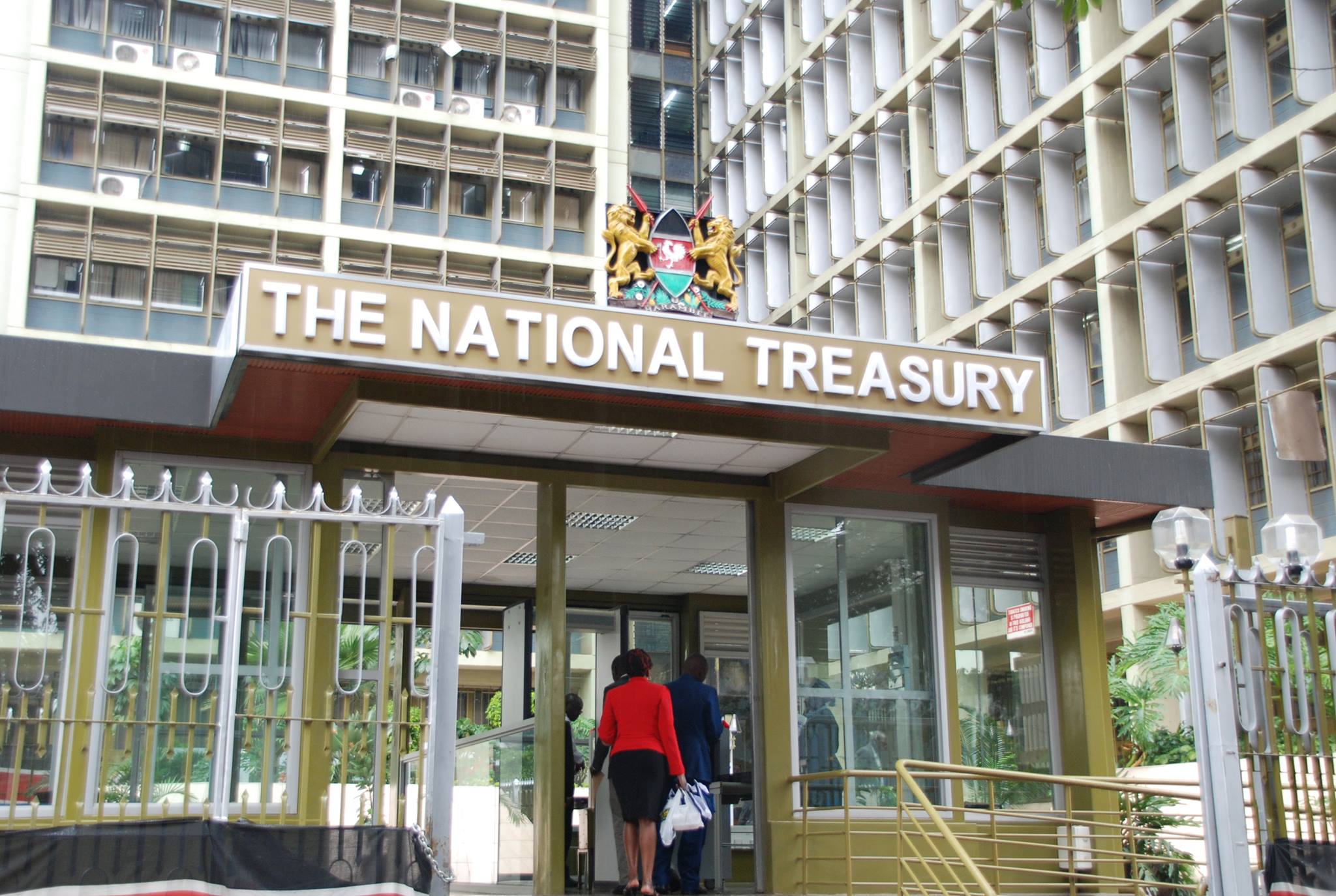
The Ministry of National Treasury and Economic Planning plans to collect recommendations from the forums and turn them into county resolution charters outlining the key priorities of each region.
Makokha said the recommendations will feed into government planning, future budgets and the review of Kenya Vision 2030 as the country prepares its next long-term development blueprint.
"We want every county to tell us what matters most to them because development challenges are not the same everywhere. These resolutions will guide our policies, plans and future budgets," he said.
The government is also using the forums to engage young people and encourage them to take advantage of economic opportunities already available.
Grace Kamau, representing the National Government Affirmative Action Fund under the Office of the Nairobi Woman Representative, urged youth to actively seek government support programmes instead of ignoring them.
"As much as we debate government policies, young people should also take advantage of the opportunities that exist. If there is funding, apply for it. If there are jobs, seek them," she said.
Makokha said the government does not want to make decisions for young people without involving them in finding solutions.
"We do not want to assume we know what young people need. We want them at the table so that together we can develop solutions. The government is committed to ensuring no one is left behind," he said.
The forums came at a time when the government is under growing pressure to improve public participation and rebuild trust following intense public debate over taxes, public spending and economic reforms.
Officials say taking consultations directly to communities will help ensure future development plans better reflect the aspirations and priorities of ordinary Kenyans.