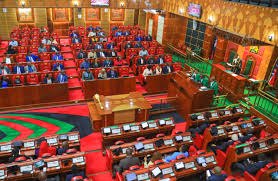
A petition has been lodged before Parliament seeking to have persistent low libido and Hypoactive Sexual Desire Disorder (HSDD) recognised as disabilities under Kenyan law.
The petition filed by Benson Kibore asks both the National Assembly and the Senate to amend the Persons with Disabilities Act, 2025, and the Social Health Insurance Act, 2023, to allow people medically diagnosed with qualifying sexual dysfunctions to access disability protections and healthcare benefits.
According to Kibore, the conditions have far-reaching effects on marriages, mental health and family stability.
He argues that clinically diagnosed low libido and HSDD can substantially impair an individual's day-to-day life, relationships and psychological wellbeing, bringing them within the definition of disability provided under the Persons with Disabilities Act.
In his petition, Kibore wants Parliament should recognise that persistent low libido and HSDD are "medical conditions capable of causing substantial psychological, emotional, relational and functional impairment" and undertake a comprehensive inquiry into their prevalence and impact in Kenya.
“Parliament must rise to the occasion to protect the rights of such individuals who have for a long time been expected to simply adjust to their disability status with no consideration or discussion about appropriate or possible interventions," the petition states.
He further wants lawmakers to recommend amendments that would allow clinically diagnosed patients to receive disability cards after appropriate medical assessment and enable treatment for sexual dysfunctions to be included in the Social Health Authority (SHA) benefits package.
The petition says the conditions have contributed to strained relationships, marital breakdowns, emotional distress, infertility challenges and declining mental health among affected individuals.
It argues that men and women suffering from the disorders often experience low self-esteem, anxiety and depression, while stigma prevents many from seeking professional medical help.
"The lack of desire is often accompanied by high levels of personal distress, anxiety, and depression, which further isolates the man or woman from his or her family," the petition states.
It also claims untreated sexual dysfunction can lead to emotional distance between couples, increased infidelity, conception difficulties and behavioural changes that ultimately affect children and family life.
As part of its justification, the petitioner cites research suggesting erectile dysfunction among younger men is becoming increasingly common.
The document references a 2026 community-based study in Nairobi County which reportedly found that 10.4 per cent of young men with a mean age of 27.4 years experienced erectile dysfunction.
“Low libido associated with erectile dysfunction is commonly perceived as a condition of older men, yet increasing evidence suggests that Gen-Zs are now the major consumers of blue pills,” he says.
It also cites a Ministry of Health alert issued in December 2025 warning against widespread misuse of sildenafil (Viagra) following reports of strokes, heart attacks and sudden deaths linked to unsupervised use.
The petitioner argues that because erectile dysfunction and low libido may signal underlying conditions such as hypertension, diabetes or mental illness, they should be treated as significant public health concerns requiring comprehensive medical care rather than social stigma.
Among the recommendations is the development of national clinical guidelines for screening, diagnosis, referral and management of low libido and HSDD by the Ministry of Health in consultation with professional bodies.
The petition also proposes nationwide public awareness campaigns to reduce stigma surrounding sexual dysfunction and encourage affected people to seek treatment early.
Further, it urges Parliament to direct the Ministry of Health and the SHA to ensure equitable access to counselling, endocrinology, psychiatry, urology, gynaecology and specialised sexual health services for patients diagnosed with qualifying conditions.
The petitioner is also seeking establishment of confidential counselling and rehabilitation services for couples affected by medically diagnosed sexual dysfunctions to help preserve marriages and strengthen families.
"It is time to openly discuss sexuality and the associated disabilities in order to address the stigmas associated with people with low libido," the petition says, adding that affected individuals deserve access to treatment without fear of discrimination.
The document argues that recognising clinically diagnosed sexual dysfunctions within Kenya's disability and healthcare framework would improve access to evidence-based treatment, protect constitutional rights and strengthen the family as the fundamental unit of society.
If admitted, the petition will be considered by the relevant parliamentary committees before recommendations are made on whether legislative amendments should be pursued.