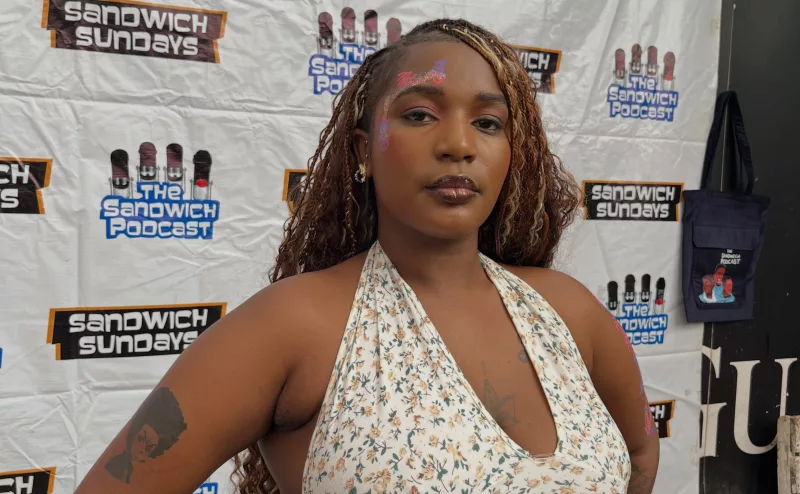
A conversation on the Mic Cheque podcast has drawn attention to the different ways young people define fun, after guests Etania and Saddam shared contrasting views on what they enjoy doing in their free time.
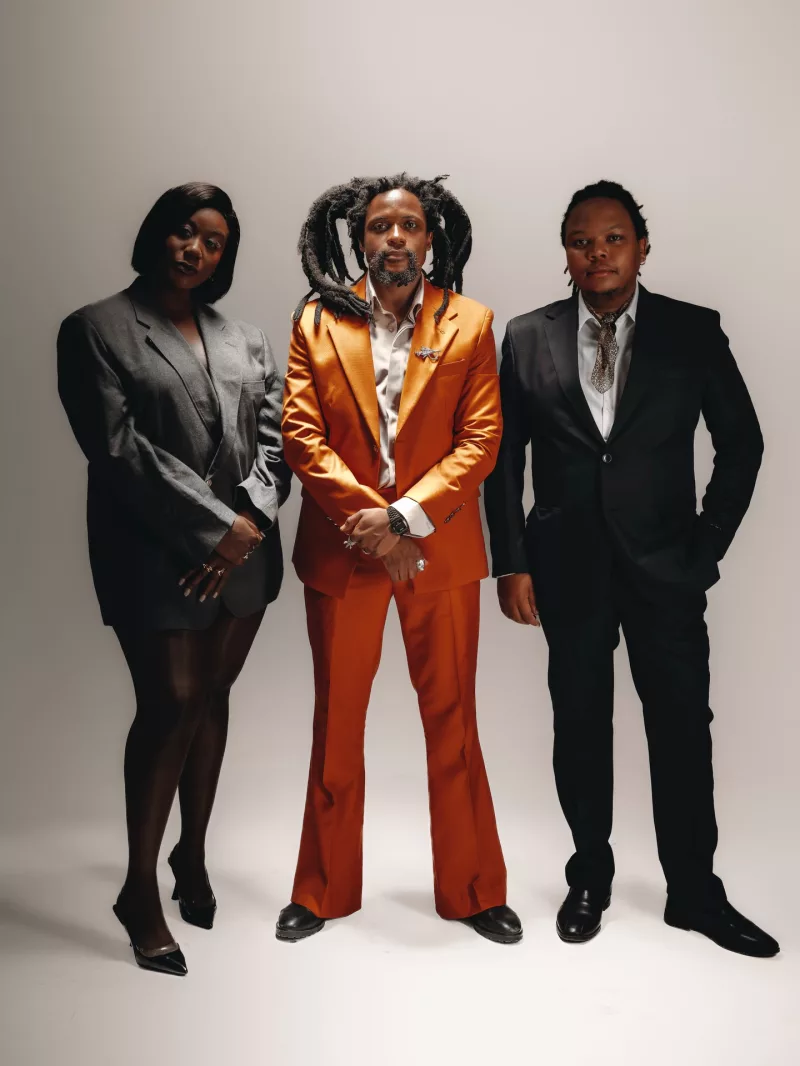
1. Introverted Wellness vs. Nightlife CultureMic Cheque Crew // Instagram
The exchange highlighted how people within the same generation can associate fun with very different lifestyles. While some find satisfaction in rest, fitness, and quiet routines, others connect enjoyment with social gatherings, music, and nightlife.
Advertisement
Advertisement
During the discussion, Saddam was asked what fun looks like for him, considering he does not drink alcohol or listen to music. In response, he said his idea of enjoyment includes going to the gym, sleeping, and doing simple, everyday activities. His answer presented a routine centred on personal habits rather than nightlife or entertainment.
This prompted a direct question from Etania to Saddam:
“What do you really do with your life? What's considered fun to you?”
Later in the conversation, Etania offered a different perspective. She explained that she enjoys being outside with her friends, playing music, and watching the sunrise after spending the night at a club. She described the experience of being surrounded by people she does not know while enjoying the atmosphere. As a DJ, she said music forms a major part of how she spends her time and creates memorable moments.
She summarized her ideal experience by saying:
Advertisement
Advertisement
“I love going out with friends, sleeping and drinking some drinks that have high energy, watching a sun rise at the club with strangers.”
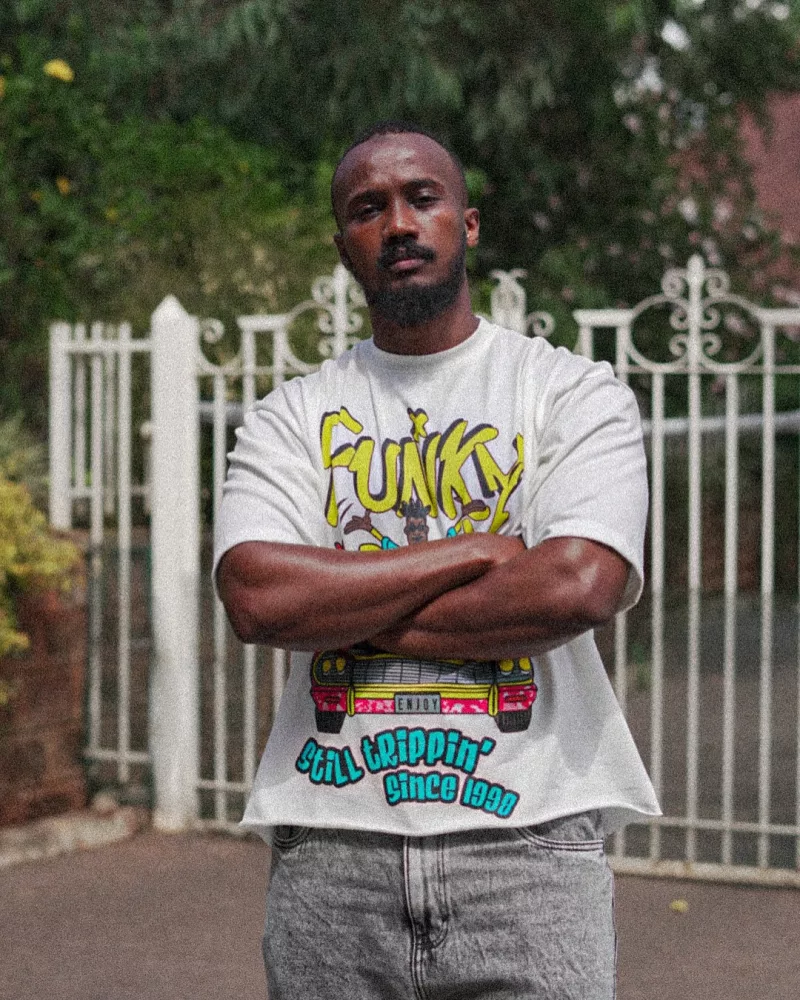
2. The Digital Shift in Leisure and LifestyleEtania // Instagram
Across social media, discussions around fun have increasingly reflected a wider range of experiences. Content showing fitness routines, wellness activities and quiet weekends often appears alongside videos from concerts, festivals, clubs and late-night outings. Digital platforms have allowed different lifestyles to exist side by side, with users sharing what they consider meaningful ways to spend their leisure time.
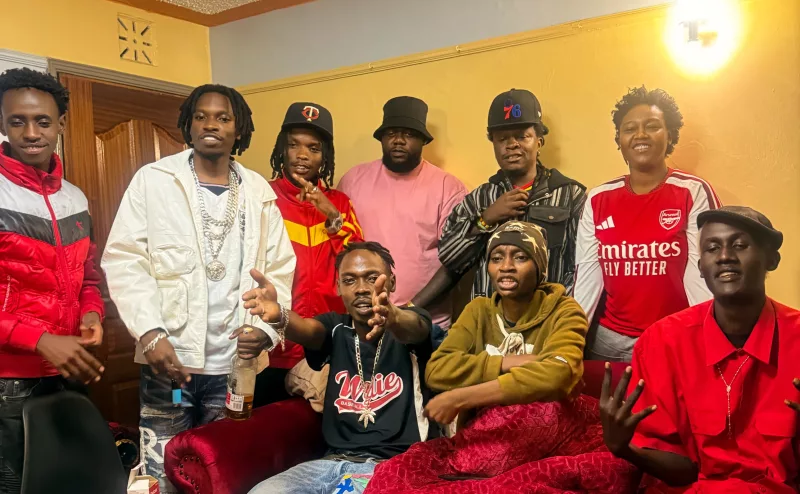
Currently, there's a festival going on in Malindi where young Kenyans have attended to party over the weekend, called Summertides. The extreme contrast of this party culture was highlighted by a viral post from observer @Josh001J:
“Kenyans attending Summertides in Malindi have decided to unite the world by going wild! You should take a look at the videos in the comment section.”
3. The Analog Era: When Fun Required Being Present
This clash between rigid wellness routines and intense club culture stands in stark contrast to the pre-social media era, when entertainment was defined by forced presence rather than digital validation. Before algorithms and smartphones, young people did not have to actively curate their downtime as a statement of identity or broadcast it for views. Instead, fun was inherently analog, slow, and hyper-local.
Saddam Hussein // Instagram
Leisure meant gathering around a single television set, killing hours in physical record stores, or blindly riding bicycles around the neighborhood just to track down friends. Because plans were made via landlines or by simply showing up at a doorstep, a night out—whether at a local gig or a house party—was an unrecorded experience lived strictly in the moment. Mistakes didn't live forever on the internet, and because there were no cameras to capture a sunrise or a crowd of strangers, young people went to venues to genuinely listen, watch, and remember, rather than to document their lives for an unseen online audience.