As dawn broke on June 25, Nairobi was barricaded.
Major roads into the city were sealed with razor wire and roadblocks.
Commuters were stranded, and businesses were disrupted. Most importantly, those heading to the second J25 commemoration following the 2024 Gen Z protests were unable to reach the central business district.
In the days leading up to the commemoration, Interior Cabinet Secretary Kipchumba Murkomen had assured Kenyans that police would facilitate peaceful demonstrations while maintaining public order.
Organisers had complied with the legal requirement to notify police of a peaceful commemoration for those killed during the protests. Under Kenyan law, such notification is not a request for permission but a mechanism that enables police to facilitate peaceful assemblies.
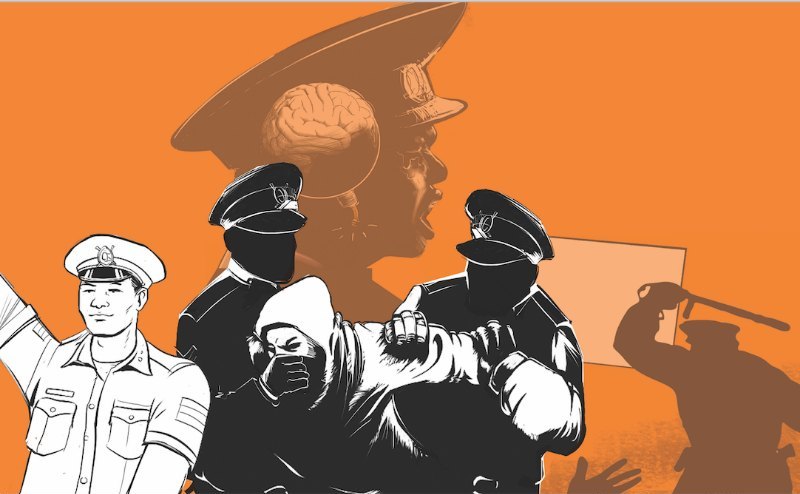
But this was not the case. In addition to the blockades, there was a show of might. Military equipment, primarily used in war, was moved through civilian areas and on roads to instil fear.
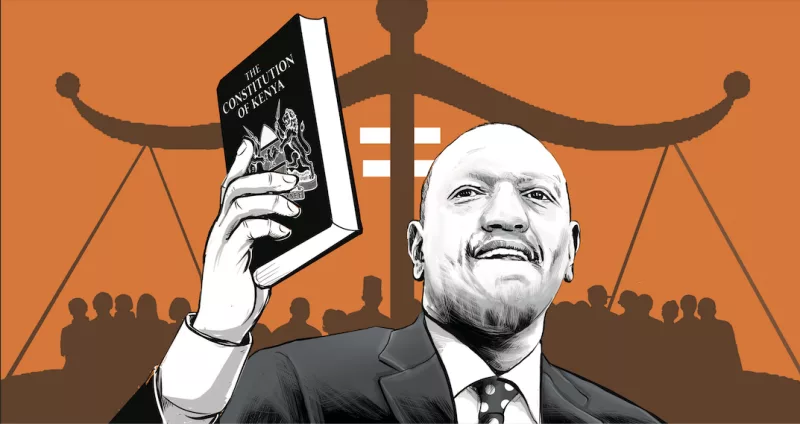
Article 37 guarantees every person the right, peacefully and unarmed, to assemble, demonstrate, picket and present petitions to public authorities. Where petitions could have been presented in places like Parliament, and the Harambee Annex were sealed off.
Article 238 further requires national security to be pursued within the law and with respect for human rights and fundamental freedoms.
Rather than placing security and liberty in opposition, the constitution recognises that each depends on the other, making clear that protecting public order should never come at the unnecessary expense of constitutional rights.
That constitutional balance carries an important implication. We know that rights are not merely guarantees on paper but freedoms intended to be exercised in practice, meaning that public order cannot be measured solely by the absence of demonstrations or empty streets but by the state's ability to facilitate peaceful assemblies while protecting the rights and safety of everyone involved.
That is why the J25 commemoration deserves careful reflection. Families laying flowers for those killed during the protests were unable to access Parliament. Police dispersed demonstrators using tear gas, and arrested 355 people across the country on allegations including obstruction, vandalism and attempted theft.
Human rights organisations also raised concerns over arbitrary arrests and the torture of seven activists during and after the commemoration. There is no doubt that police action failed to balance the constitutional requirement to maintain public order with the protection of fundamental rights.
Article 29 protects every person from arbitrary deprivation of freedom and from cruel, inhuman or degrading treatment, while Article 49 guarantees the rights of arrested persons. Article 10 further binds every State organ to uphold the rule of law, human dignity, equity, human rights and accountability.
These provisions establish constitutional standards against which the J25 commemoration and the state's response to it must be judged. Unfortunately, fundamental rights cited here were severely impacted.
The J25 commemoration should have demonstrated how far Kenya has come since the 2010 constitution. It did not. There is an enduring gap between constitutional promise and constitutional practice.
A constitution derives its authority not from the rights it proclaims, but from the confidence with which citizens can exercise them. As the American jurist Learned Hand observed, “Liberty lies in the hearts of men and women; when it dies there, no constitution, no law, no court can save it.”
Programme Manager for Political Accountability in State Institutions at the Kenya Human Rights Commission