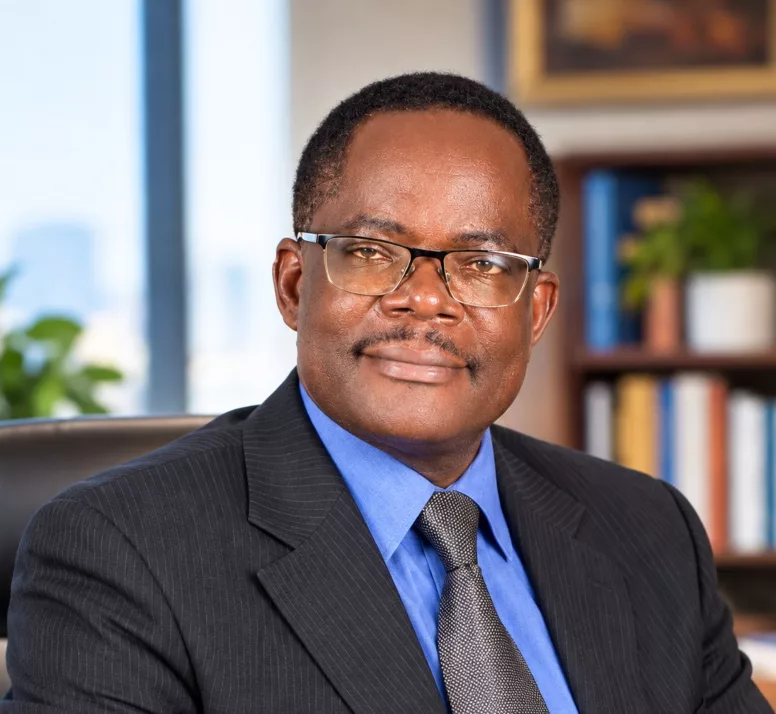
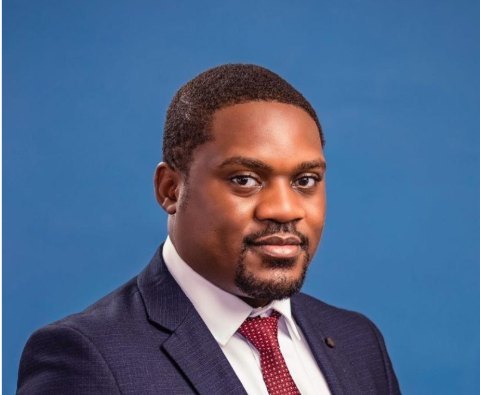
 Alfred Makotsi, Policy Analyst and Mandela Washington Fellow
The experience of Kenya’s recent elections raises serious doubts as to the effectiveness of polls. In 2013, 2017 and 2022, several opinion polls failed to accurately reflect the final outcome at the ballot.
This has created public scepticism about whether polls genuinely capture the feeling on the ground or whether they are sometimes used to shape political narratives.
With the advancement of social media, political propaganda, online mobilisation and coordinated digital campaigns, opinion polling has become even more complicated. What appears popular online may not necessarily translate into actual votes.
Opinion polls should therefore not be treated as a guarantee of victory. At best, they provide a temporary snapshot of public perception at a particular moment.
They may help identify trends, undecided voters, regional shifts and areas where a candidate needs to strengthen campaign messaging.
However, they cannot replace grassroots mobilisation, voter turnout strategies, community engagement and direct contact with citizens.
Polls may be useful where many voters remain undecided because they can influence perceptions and shape the choices of floating voters. In such situations, a candidate who appears to be leading may attract more support from voters who want to be associated with a likely winner.
However, in a race where voters have already made firm decisions, polls may have limited value and can even mislead candidates into false confidence or unnecessary panic.
Candidates should therefore be cautious when interpreting public opinion polls. Instead of relying entirely on national polls released in the media, they should invest in customised, scientific and constituency-based surveys.
Such polls can provide more accurate insights into local issues, voter priorities, campaign weaknesses and the real political mood on the ground.
Ultimately, elections are won at the ballot, not in opinion polls. Polls may shape opinion, but they do not always reflect the final voice of the people.
As much as the surveys can give public perception at the moment, it should not be relied on to translate into anything tangible in the real elections
Alfred Makotsi, Policy Analyst and Mandela Washington Fellow spoke to the Star