
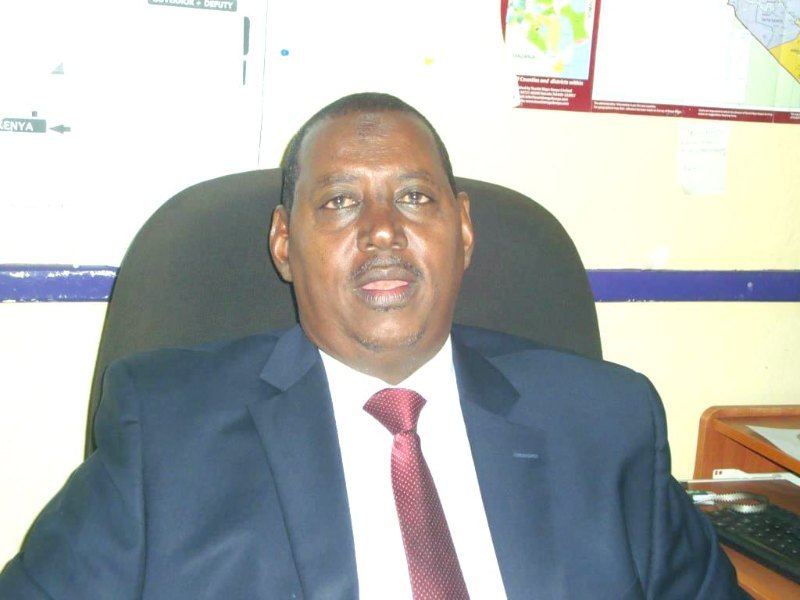
 Ibrahim Adan is a writer on public sector governance in Kenya.
For several years, the Kenya Rural Roads Authority (KeRRA) struggled to shake off the image of an institution weighed down by stalled projects, unpaid contractors and delayed road works.
Across the country, incomplete roads became a reminder of the challenges facing public infrastructure delivery.
Today, that narrative is changing. Over the past year, KeRRA has recorded one of its strongest periods of recovery, with stalled projects returning to life and road construction gathering pace in nearly every county.
The authority's renewed momentum has been driven by stronger funding, improved management and a clear focus on delivery.
Perhaps the biggest achievement has been the revival of 393 road projects that had stalled after contractors suspended work over pending bills.
As outstanding payments began to be addressed, contractors returned to sites and construction resumed, restoring confidence in an agency that had previously struggled to keep projects moving.
The scale of work now underway is equally significant. KeRRA is overseeing approximately 20,000 kilometres of road works across Kenya, including thousands of kilometres of bitumen roads, gravel roads and road improvements.
It is one of the largest rural road programmes currently under implementation in the country. Behind these figures is a broader economic impact.
Rural roads are often the first link between farmers and markets, children and schools, patients and health facilities. Improved connectivity reduces transport costs, opens up remote areas and supports economic activity that depends on reliable transport infrastructure.
The Ministry of Roads and Transport has provided the financial and policy support needed to sustain this recovery. Increased funding enabled projects that had remained dormant for months to restart, while improved financing arrangements helped restore contractor confidence and keep work progressing.
KeRRA has also invested in strengthening its own capacity. The recruitment of 290 permanent employees across technical and administrative departments marks one of the authority's most significant staffing expansions in recent years.
By bringing in more engineers, technicians and professional staff, the agency is positioning itself to supervise projects more effectively and improve service delivery.

Leadership has equally played an important role in the turnaround. The Board of Directors has focused on strengthening governance and accountability, while the management team has concentrated on project execution and field supervision.
Regular visits to construction sites have kept attention firmly on implementation rather than administration.
The authority has also demonstrated that restoring public confidence requires more than announcing new projects. Progress has been reflected in contractors returning to work, machinery back on site and communities witnessing road construction where little activity existed before.
The achievements are particularly notable given where the institution stood only a short time ago. Moving from stalled projects and financial uncertainty to thousands of kilometres under active construction represents a significant operational recovery. Of course, the work is far from complete.
Many roads remain under construction, and maintaining the current pace will require continued funding, sound management and close supervision.
But the foundation that has been laid over the past year provides a stronger platform than KeRRA has enjoyed in a long time. For rural Kenya, the benefits extend well beyond transport. Better roads improve access to education, healthcare, trade and government services while creating opportunities for investment and economic growth.
Every completed road strengthens connections between communities and the wider economy. Public institutions are ultimately judged by results. In KeRRA's case, the results are becoming increasingly visible through revived projects, expanded road construction, stronger institutional capacity and renewed confidence among contractors.
Those achievements suggest that the authority has moved beyond crisis management and is steadily establishing itself as an organisation focused on delivery.
If the current momentum is sustained, KeRRA's recent progress may well be remembered as the period when the authority shifted from managing stalled projects to delivering infrastructure that directly improves the lives of millions of Kenyans.
Ibrahim Adan is a writer on public sector governance in Kenya.