The 2026 FIFA World Cup has brought together teams and supporters from around the world. Still, several participants have encountered significant travel and border-related challenges before reaching tournament venues in the United States, Canada, and Mexico. Replying to
@Bosey1982and@BBCNews: "I’m from Canada, and our government has denied entry to 46% of World Cup visa applicants. Immigration laws still apply in most countries. I’m not sure why you think the US should be any different."
Player Restrictions and Visa Denials
Advertisement
Advertisement
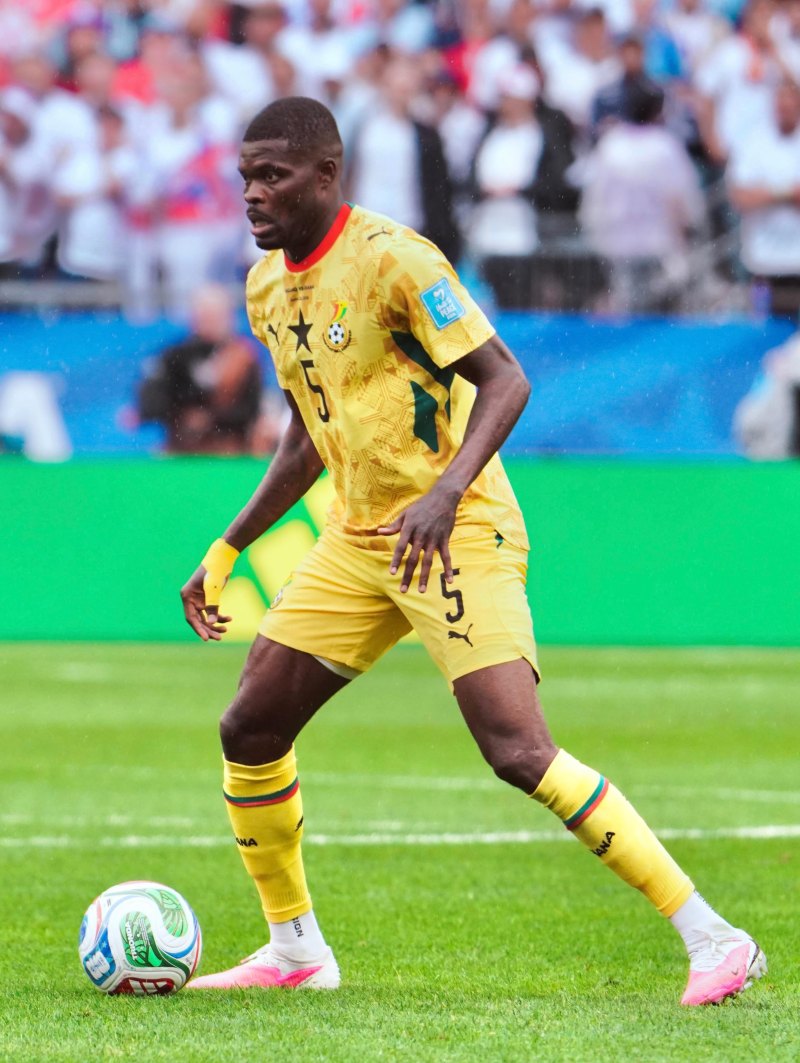
One of the most widely reported cases involved Ghana midfielder Thomas Partey. The 33-year-old, who plays for his national team and Spanish club Villarreal, was denied entry into Canada ahead of Ghana's opening group-stage match against Panama in Toronto. Canadian authorities refused his visa application due to the ongoing legal charges he faces in London, resulting in his absence from the pitch.
“Canada has refused a visa for Thomas Partey, meaning he is unable to enter the country. The Canadian authorities have denied entry to the Ghana international due to the rape charges he is facing in London. As a result, Partey will miss Ghana’s World Cup opener against Panama in Toronto, but he will be eligible to feature in their remaining matches scheduled in the United States.”
Partey later lost an appeal against the decision and remained outside Canada while Ghana played its opener. While he was subsequently allowed to enter the United States to join Ghana's campaign for their remaining matches, FIFA emphasized that immigration decisions are strictly determined by host governments and fall outside the organization's authority.
Advertisement
Advertisement
Team staff have faced similar hurdles. For the Iranian national team, key members of the technical and coaching staff were outright denied entry into the United States. Commenting on the situation, @RalphIrvinUCLA noted:
“Key members of the team staff were denied entry into the United States. The team did not have free movement within the United States. It had restrictions placed on their travel to and from matches that didn’t apply to other countries.”
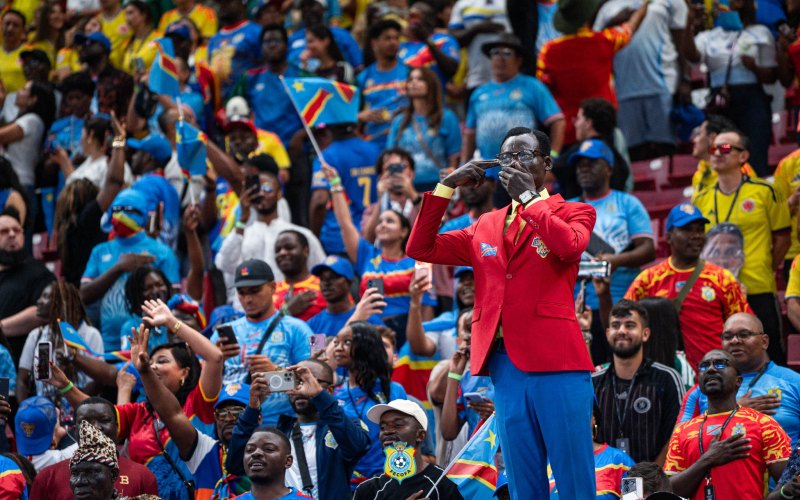
Fan Hurdles and Bureaucratic DelaysFamous DR Congo fan "Lumumba"// Instagram
High-profile supporters have also found themselves blocked at the border. Democratic Republic of Congo superfan Michel Kuka Mboladinga, commonly known as "Lumumba Vea," became internationally famous during the Africa Cup of Nations for standing motionless throughout matches dressed in attire inspired by Congolese independence leader Patrice Lumumba.
After successfully reaching Mexico to support the Leopards, Mboladinga was denied a United States visa, preventing him from attending a crucial, must-win World Cup match against Uzbekistan in Atlanta. Highlighting his plight, @AfricaisHOME2 reported:
“DR Congo’s famous superfan Michel Kuka Mboladinga, nicknamed “Lumumba Vea,” missed the Leopards’ key World Cup game against Uzbekistan after U.S. authorities denied him a visa. Reuters reported that he was blocked from entering Atlanta for the must-win match, despite having joined the team later in Mexico following earlier delays caused by Ebola-related travel rules. Ambassador Kapinga Yvette Ngandu said officials hoped he would get clearance if DR Congo reached the knockouts.”
This was the second major travel disruption for the superfan, whose earlier travel plans had already been delayed by international restrictions connected to an Ebola outbreak in the DR Congo.
Team Screenings and Systemic Challenges
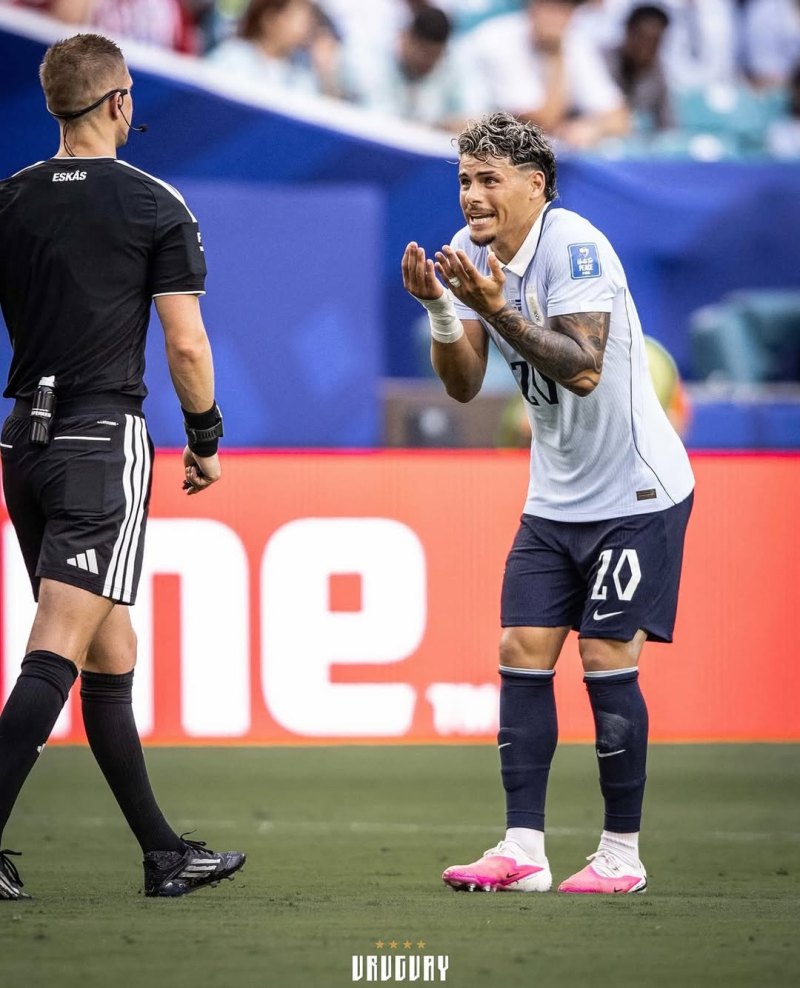
Travel complications were not limited to individual supporters and players; entire teams have faced intense scrutiny. Uruguay's national team drew widespread attention shortly after arriving in the United States.
Footage circulated online showing members of the squad undergoing rigorous security inspections, which included sniffer dogs and extensive luggage searches. Reports indicated that the team's bus was stopped and subjected to additional security checks before the players were allowed to continue their journey, sparking intense discussion among supporters and media outlets covering the tournament.
Uruguay // Instagram
Throughout the tournament, documentation has surfaced detailing widespread visa refusals, delayed approvals, and intensive screening procedures affecting everyday fans simply seeking to attend matches in the host cities.