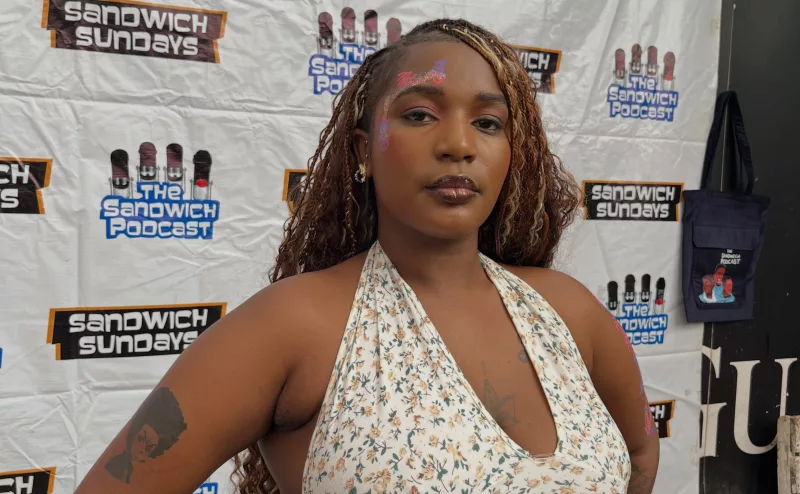
A video of content creator Thickyy Sandra confronting supermarket staff after being asked to stop livestreaming inside a supermarket has gone viral, igniting debate about filming in public commercial spaces.
The incident unfolded after Sandra and her team were approached by a member of staff while livestreaming inside the supermarket.
Questioning the restriction, Sandra argued that there were no visible signs informing customers that recording was prohibited.
Read Also
“Not even indicated. I can call my lawyer right now. Exactly, you see when they have not indicated. It’s not like we are recording customers. If there was a sign, I would have said don’t record.”
As the exchange continued, Sandra insisted that the supermarket had no legal basis to stop the livestream if no filming policy had been displayed.
“I’ll buy this whole supermarket”
The confrontation escalated as Sandra expressed frustration with the situation.
She claimed she had the financial ability to purchase the supermarket and transform it into her own business.
“Shut this down in a second. I’ll buy this whole supermarket in a minute, won’t flinch. I’ll tap my card. I’ll shut this b***h down and turn it into Thickyy Sandra Hall.”
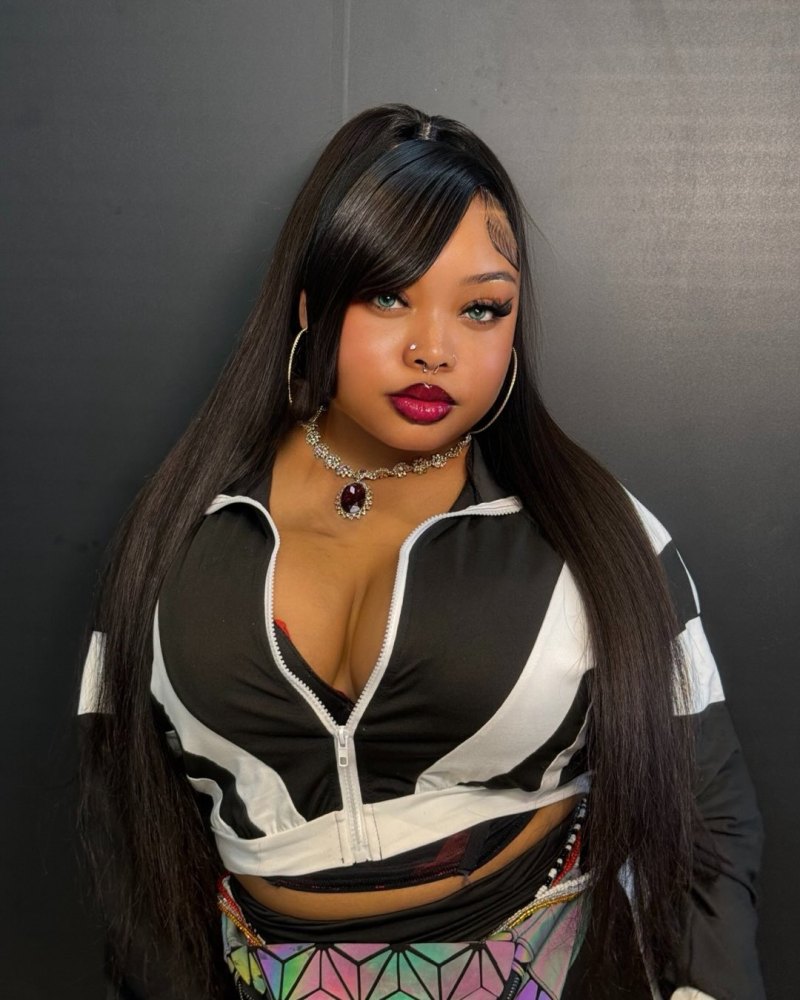
She also said people often underestimated what she was capable of achieving.
“People underestimate me but don’t realise what I’m capable of.”
Sandra further questioned whether the staff member had legal authority to prevent the filming.
“If you do not have a permit that is legal, then you don’t have the right to speak or tell us where to film. This is a public space. It’s a mall.”
Filming inside private premises
The incident has revived discussions about filming inside privately owned businesses located within shopping malls.
While shopping malls are generally open to the public, individual supermarkets and retail outlets are private premises.
Many businesses have internal policies regulating photography and videography to protect customer privacy, commercial operations and security.
In many establishments, customers are required to seek permission before recording inside stores, even where no signage is immediately visible.
Online reactions
Some users joked about Sandra’s remark that she could buy the supermarket and rename it “Thickyy Sandra Hall,” with others playfully saying they were already waiting for the grand opening.
Others created memes imagining themselves tapping their bank cards to purchase groceries whenever disagreements arose.
deyanar_kimani:Ameambiwa you dig akathani ni jembe
tony_mwirigi:Vindee anasikia Lawyer anasema “Waah waah waah”😂😂😂😂
ms_crystal:Lord this is the audacity I've been telling you about every 3AM😹😹😌
_law_:You don’t have a right to speak do you know what that means 😂 bro
The light-hearted jokes quickly spread across social media, making Sandra’s comments one of the most talked-about moments from the viral video.
Others said the disagreement could have been resolved through a calm discussion between both parties instead of a public confrontation.
The growing influence of livestream culture
As livestreaming continues to grow across social media platforms, similar disagreements have become increasingly common in public-facing businesses.
Content creators often use shopping centres, restaurants and retail stores as filming locations, while business owners continue to balance customer experience, privacy and commercial interests.

The incident involving Thickyy Sandra has added another chapter to the ongoing conversation about where content creation ends and private property rights begin.