
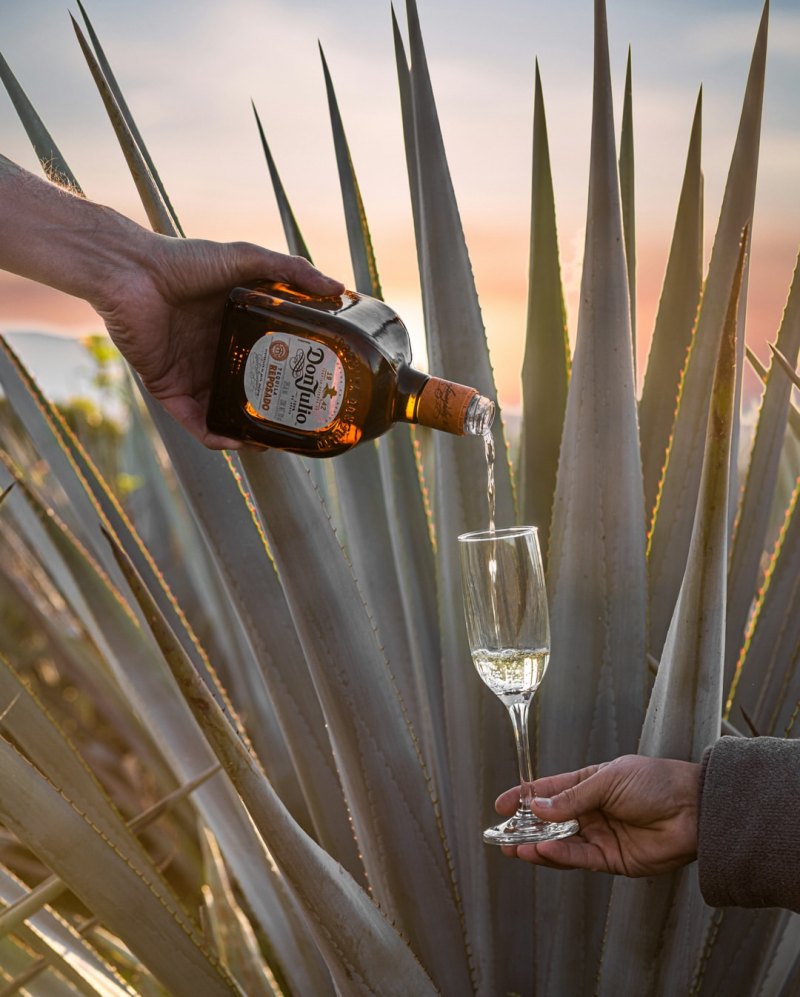
Every bottle of tequila begins with a decade of patience. According to Tequila Financial, the Blue Weber agave plant takes seven to ten years to mature in the volcanic soils of Jalisco, Mexico, before it can be harvested.
This long journey from soil to spirit is the focus of Nairobi’s first premium tequila festival, the Agave Affair.
A Decade in the Making
Tequila is not a spirit of haste. Producing a single bottle is the result of years of growth and traditional craftsmanship. Some brands still use the Tahona process.
This rare method involves crushing agave with a massive volcanic stone wheel. It is a way of honouring pre-industrial roots.
Secrets Behind the Glass
The stories are often hidden in the packaging itself. Fortaleza tequila, known in Mexico as Los Abuelos, hides its original name embossed under the front paper label of every bottle.
Patrón bottles are individually hand-blown, making each one unique. Meanwhile, Volcán De Mi Tierra features a deep indentation at the base. This is shaped like the "tequila volcano" visible from the agave fields in Jalisco.
One common myth involves a worm in the bottle. According to Mexican regulations, insects are strictly prohibited in tequila. If you see a larva, the drink is mezcal, not tequila.
The Nairobi Tequila Shift
Nairobi is currently seeing a major shift in how it consumes this Mexican heritage spirit. Tequila now ranks as the third fastest-growing spirit category in East Africa. Despite this growth, market data reveals that 87% of Kenyan consumers have only ever experienced the drink as a quick, aggressive shot.

Radio Africa Events, in partnership with the KICC, is launching the Agave Affair on July 25, 2026. The goal is to reposition tequila as a sophisticated "sipping experience" rather than just a party drink.
A Curated Experience
The event is designed as a 10-hour journey. It will feature a "Main Tent" as the heartbeat of the festival, surrounded by individual brand tents and cocktail bars. Organisers are targeting a capacity of over 2,000 guests.
Attendees are encouraged to follow an "Agave Chic" dress code. This includes earthy tones, agave greens, and linen sets. The atmosphere is described as "Coachella meets Nairobi elegance."