It may have been one of the most widely discussed hotel transactions in Kenya's history, attracting significant public and political attention.
The Grand Regency Hotel was sold in April 2008 after the Central Bank of Kenya disposed of the property to the Libyan Arab African Investment Company for Sh1.85 billion.
The transaction attracted political controversy, with questions raised about the valuation of the hotel and the sale process.
The hotel was later rebranded as Laico Hotel, which subsequently ceased operations during the Covid-19 pandemic.
However, the facility that now stands as one of Nairobi's most iconic hospitality landmarks is staging a comeback under a new Kenyan-owned brand.
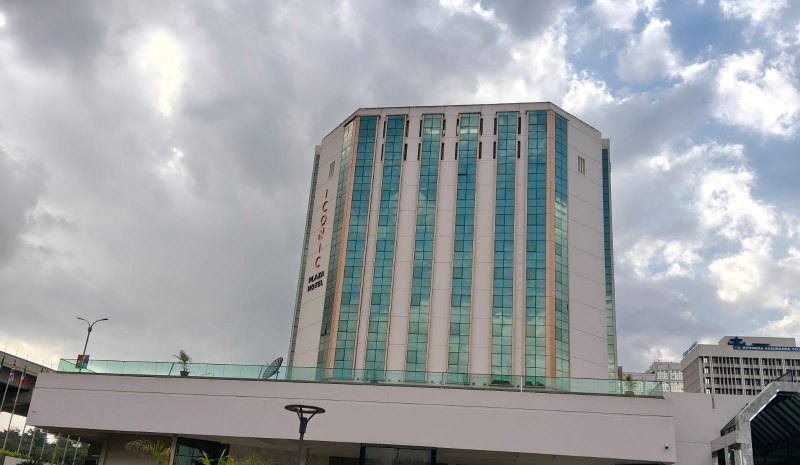
The hotel has re-entered the market as Iconic Plaza Hotel Nairobi, marking a new chapter for a property that has long occupied a prominent place in Kenya's hospitality landscape.
“This is a standalone alone hotel though in the coming years we are looking at expanding the operations across major towns and the East African countries,” said the hotel’s food and Beverage manager Philemon Liru.
Located in Nairobi's central business district (CBD), the hotel has been operational for the past five months and is preparing for an official launch in September, according to its management.
"We are authentic by heart and iconic by nature. The reception from government institutions, private sector clients and international visitors has been very encouraging," said Liru.
The property's journey mirrors the changing fortunes of Kenya's hospitality sector over the last three decades.
Originally developed as the Grand Regency Hotel, the luxury establishment became one of Nairobi's most prestigious hotels, hosting high-profile government functions, international conferences and diplomatic events.
Following the acquisition, the property was rebranded as Laico Regency under Libya Africa Investment Portfolio (LAP), becoming part of a broader network of Libyan-owned hospitality assets across Africa.
The hotel's fortunes changed again following political upheaval in Libya and subsequent shifts in ownership structures.
The latest revival under the Iconic Plaza brand represents a fresh attempt to restore the property's status as a leading hospitality destination while embracing a distinctly Kenyan identity.
Unlike many international hotel chains operating in Nairobi, Iconic Plaza positions itself as a homegrown brand seeking to celebrate local culture while serving regional and international markets.
The hotel's management says it currently operates more than 213 rooms, including two presidential suites, alongside conference facilities, restaurants, wellness amenities and extensive parking capacity.
The relaunch comes at a time when Kenya's hospitality industry is benefiting from a resurgence in business travel, conferences and international events.
Government investments in infrastructure, including the Nairobi Expressway, airport upgrades and modern conference facilities, have improved accessibility and strengthened Nairobi's position as a regional business hub.
The growing Meetings, Incentives, Conferences and Exhibitions (MICE) market has become a particularly important revenue stream for hotels as corporate and government events return to pre-pandemic levels.
Liru believes the CBD remains an attractive location despite the migration of some international hotel brands to areas such as Westlands, Upper Hill and Gigiri.
He argues that proximity to government offices, corporate headquarters and public transport networks gives city-centre hotels a competitive advantage.
"It is not a challenge operating in the CBD," he said. "Accessibility is very easy. Guests can attend meetings and conferences and quickly return to their offices. The business opportunity is still here."
The hotel's management also plans to expand the Iconic brand beyond Nairobi, with future developments under consideration in Mombasa, Eldoret and eventually other East African markets.