The 2026 FIFA World Cup has provided participating nations with a global platform that extends beyond football.
Alongside the matches, several African countries have used the tournament to showcase their tourism attractions, cultural heritage, and national identity to international audiences.
Sports marketing experts have long argued that global sporting events offer countries opportunities to shape international perceptions. As former FIFA President Sepp Blatter once observed, "Football can build bridges between people and cultures."
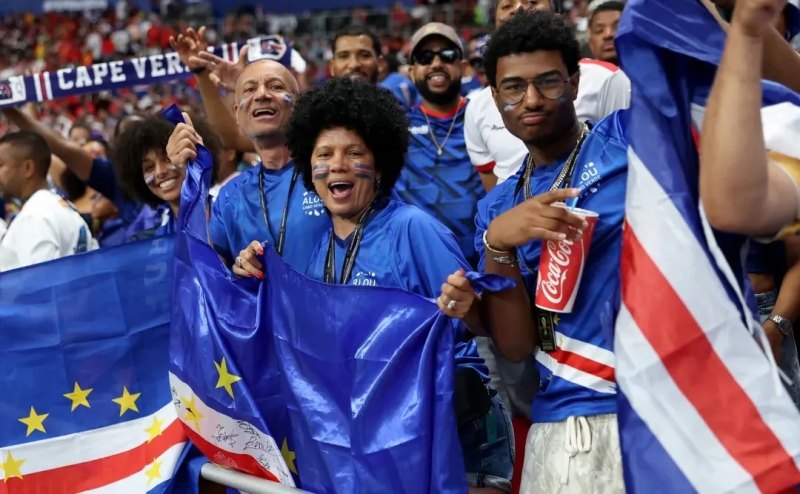
Cape Verde fans cheering on their team // InstagramAmong the African nations attracting attention is Cape Verde, an island country located in the Atlantic Ocean off the coast of West Africa.
With a population of about 600,000 people, the country is making its World Cup appearance while receiving increased international exposure through television broadcasts, social media content, and fan engagement.
Images associated with the country have highlighted its beaches, mountainous landscapes, and cultural traditions.
Tourism analysts note that major sporting events often generate interest in destinations that are unfamiliar to international audiences, providing countries such as Cape Verde with valuable global exposure.
Advertisement
Advertisement
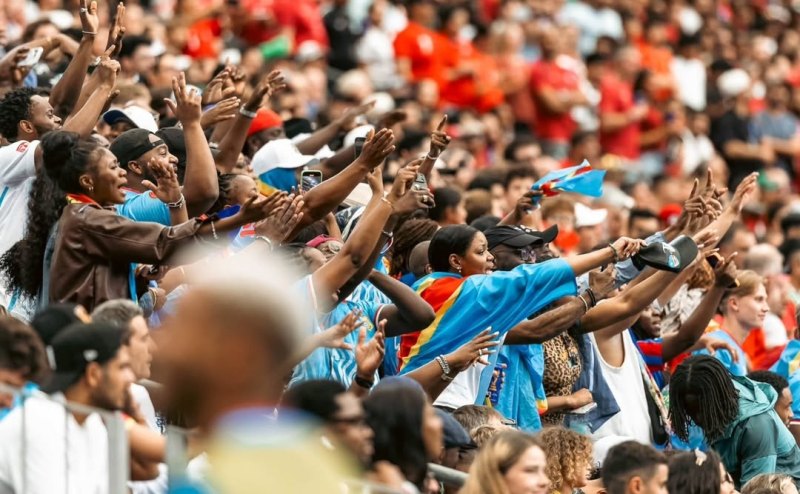
The Democratic Republic of the Congo has also gained visibility during the tournament.Congolese fans in the stands // Instagram
One of the widely reported stories involved a Congolese fan who reportedly stood throughout an entire match against Colombia after missing his team's opening fixture. Coverage of supporters has also highlighted Congolese music, dance, and traditional celebrations.
Cultural Ambassadors and Historic Legacies
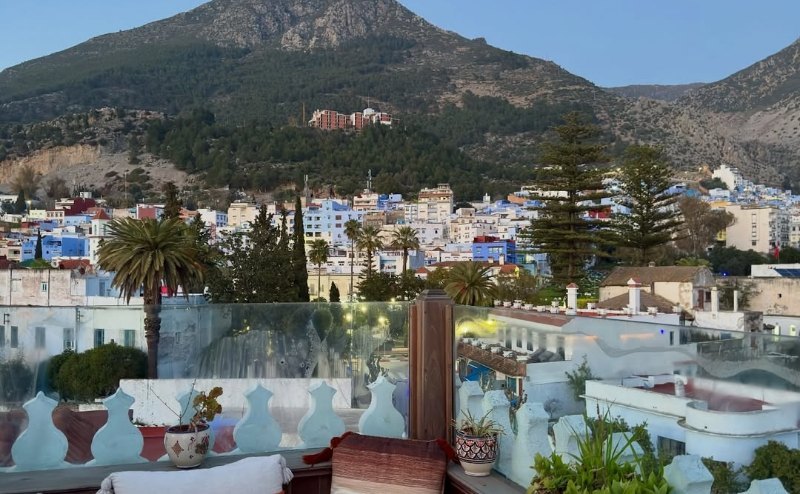
In North Africa, Morocco has continued to attract international attention during the competition. The country, which reached the semi-finals of the 2022 FIFA World Cup, has been represented by large groups of travelling supporters.
Broadcast footage and online content have frequently featured Moroccan flags, traditional clothing, and cultural celebrations.
The tournament has also brought renewed attention to Moroccan destinations, including Marrakech, Casablanca, and Fez.
Following Morocco's historic 2022 World Cup run, FIFA President Gianni Infantino described the achievement as "a success for Morocco, a success for Africa, and a success for the Arab world."Morocco // Instagram
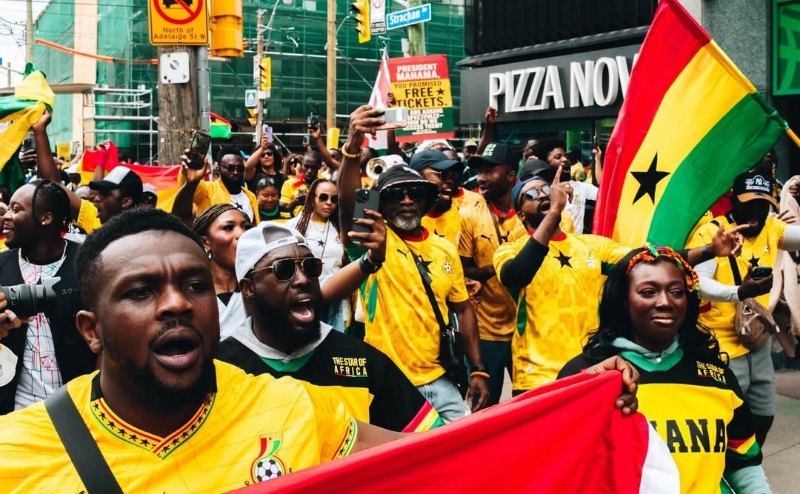
Ghana has similarly used its World Cup participation to increase international visibility. Supporters attending matches have been seen wearing traditional Ghanaian attire, displaying national symbols, and celebrating in various exciting forms.
Coverage surrounding the team has also included references to Ghanaian music, food, and historical landmarks. Speaking about Ghana's cultural heritage, former President John Agyekum Kufuor said, "Culture is the soul of a nation."
Ghanaian fans cheering on their team // InstagramThe Broader Impact of Football Diplomacy
Elsewhere, countries such as South Africa, Tunisia, Egypt, and Senegal have continued to receive international exposure through match broadcasts, fan activities, and media coverage connected to the tournament.
With billions of viewers following the World Cup across television and digital platforms, participating nations are receiving global attention that extends beyond sporting results.
As former United Nations Secretary-General Kofi Annan noted, "Sport can be a powerful force for good," not only through competition but also by bringing cultures, communities, and nations to the attention of global audiences.