The ringtone still exists, but it no longer commands attention the way it once did. Today, a vibrating phone often brings more anxiety than excitement. A missed call can feel unexpected, while a simple text message feels safer, quicker, and easier to answer.
A quiet shift is taking place in the way people communicate.Phone calls, once the heartbeat of everyday conversations, are becoming less common among Generation Z – the generation born roughly between the late 1990s and early 2010s.
Read Also
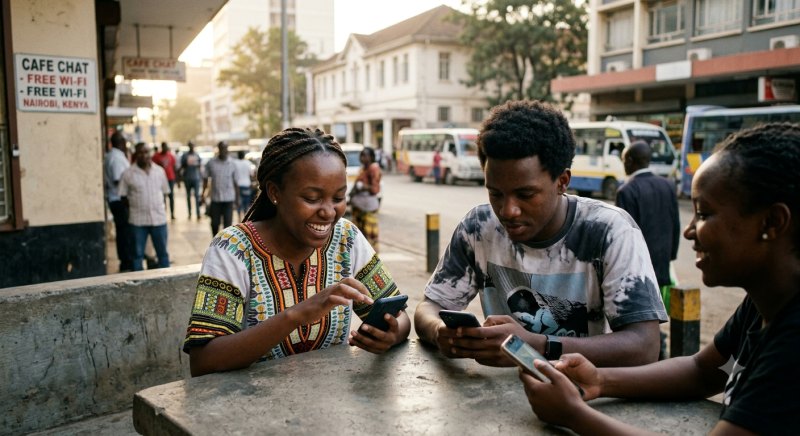
Instead, many young people are turning to text messages, voice notes, and social media platforms to maintain relationships and stay connected.But are phone calls slowly disappearing?
Why are young people avoiding calls?
Unlike phone calls, text messages allow people to reply when they are ready, without the pressure of responding immediately.
Researchers studying digital communication have found that many young people prefer written conversations because they give them time to think before replying.

Unexpected calls can also create discomfort.For many, a ringing phone now signals urgency rather than a normal conversation.
“Can I call you?” has become a common message before making a phone call.
A generation communicating differently.
For older generations, making a phone call was often the first choice when sharing important news.
For Gen Z, communication has evolved.
Many prefer instant messaging applications such as WhatsApp, Instagram, Snapchat, and TikTok to interact throughout the day.
Voice notes have also become popular because they combine the convenience of texting with the personal touch of hearing someone’s voice.
What do the numbers show?
Global studies have consistently shown that Gen Z spends several hours a day on smartphones, with messaging and social media platforms among their most-used activities.
At the same time, voice calls are no longer the primary way young people maintain friendships.
However, experts say this does not mean young people are communicating less. Instead, they are communicating differently.
The reasons behind the shift
Several factors have contributed to this change. Texting allows users to multitask, maintain privacy, and avoid interrupting another person’s schedule.
Social media platforms have also transformed communication into a continuous exchange of short messages, reactions, and shared content. As a result, traditional phone calls have become less frequent.
Are phone calls becoming a thing of the past?
Not entirely.Phone calls remain important for family conversations, emergencies, work, and discussions that require immediate responses.
Still, one question remains.As screens continue to dominate daily life and text replaces spoken conversation, what will communication look like in the next decade?
Will future generations remember the excitement of hearing a phone ring, or will that familiar sound slowly fade into history?