The 2026 FIFA World Cup has produced memorable moments on the pitch, but several stories away from the action have also drawn attention throughout the tournament.
Alongside the goals, victories, and defeats, the competition has highlighted the role of family support, remembrance, cultural identity, and the emotional connections that exist between players and the people who have supported them throughout their journeys.
1. Pillars of Family Support and Milestone Journeys
One of the stories that has resonated during the tournament is that of Cape Verde goalkeeper Vozinha. At 40 years old, the veteran has become one of the oldest players competing at the World Cup, representing a nation making only its second appearance on football's biggest stage.
While his performances have attracted attention, the presence of his mother at the tournament has added another dimension to his World Cup experience.
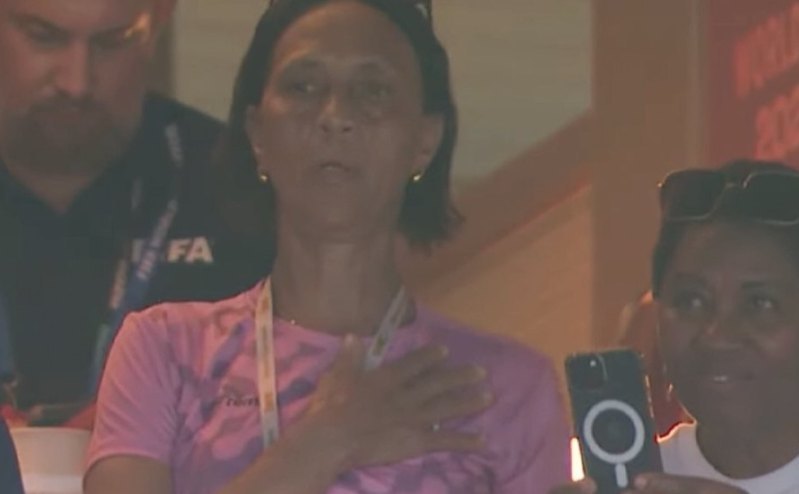
According to reports, resources and the process of acquiring a Visa hindered her from traveling and watching her son compete on the global stage. According to @FabrizioRomano
Vozinha: “Unfortunately, my mum could not be here either for a VISA issue, and the money we had to pay for it”. “We did not manage to do this in time”.
2. On-Field Tributes and Moments of Remembrance
The World Cup has also served as a platform for remembrance. During Curacao's campaign, goalkeeper Eloy Room paid tribute to former national team player Jergé Hoefdraad by holding up a commemorative shirt before kick-off. Hoefdraad died in 2021, and the gesture honored his contribution to football in Curacao.
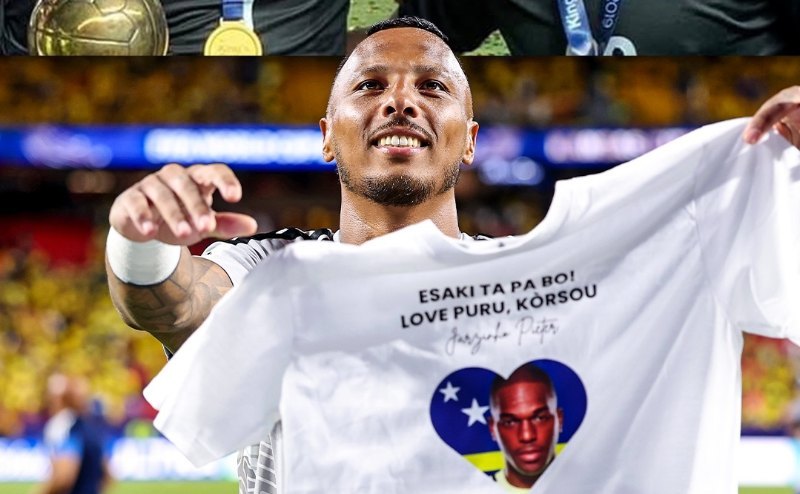
“A lot happened in those years... The reason I chose to play for Curacao is that, as a child, I dreamed of competing in a World Cup with Curaçao."
"When Patrick Kluivert reached out to me to play for the National Team, I felt incredibly honoured because he’s a great legend. I was surprised and very proud. It was special for my family and me. I was one of the first professional players to choose to represent Curacao."
3. The Vibrant Heritage of African Supporters and Post-Match Connections
Supporters from across Africa have also played a major role in shaping the atmosphere at the tournament. Fans from Senegal, Ghana, Morocco, theIvory Coast, DR Congo, and other participating nations have travelled to host cities carrying drums, traditional musical instruments, national flags, and cultural attire.
Long before kick-off, supporters have gathered outside stadiums to sing, dance, and celebrate their countries, turning public spaces into colorful displays of African heritage. Inside the stadiums, rhythmic drumming, coordinated chants, and traditional dances have continued throughout the matches, creating an atmosphere that extends beyond the football itself.
Even after defeats, many supporters have remained in the stands to applaud their teams, reflecting a tradition of continued support regardless of the result.
Emotional scenes have also unfolded after several matches across the tournament. Players have climbed into the stands to embrace parents, spouses, and children who travelled long distances to witness their achievements.
Opposing fans have exchanged scarves, flags, and photographs, while families from different countries have celebrated the opportunity to experience the tournament together.