The FIFA World Cup has always been known for producing unforgettable moments on the pitch. Yet, for millions of people around the world, the experience extends far beyond the stadium walls.
From living rooms and neighbourhood watch parties to social media timelines, fans are finding new ways to connect with the tournament and the stories behind the players.
For many supporters, the World Cup has become more than a sporting event. It is a shared experience that brings together families, friends and even strangers.
Read Also
Whether people are cheering from their homes, reacting online or following their favourite players’ personal journeys, the competition continues to create emotional connections that go beyond football.
The stories behind the players
One of the stories that has resonated during the tournament is that of Cape Verde goalkeeper Vozinha.
At 40 years old, the veteran goalkeeper has become one of the oldest players participating in the competition while representing a nation making only its second appearance on football’s biggest stage.
However, it is not only his performance that has captured attention. The presence of his mother at the tournament has added a deeply personal touch to his World Cup journey.
The story has reminded many fans that behind every athlete is a network of people who have supported them throughout their lives.
“The World Cup is not only about trophies. It is also about the people who helped players get there.”
Social media has become a second stadium.
As matches unfold, social media platforms have transformed into digital gathering spaces.
Fans are creating memes, sharing reactions, analysing tactics and celebrating victories in real time.
For some, watching the tournament is no longer a solitary activity.
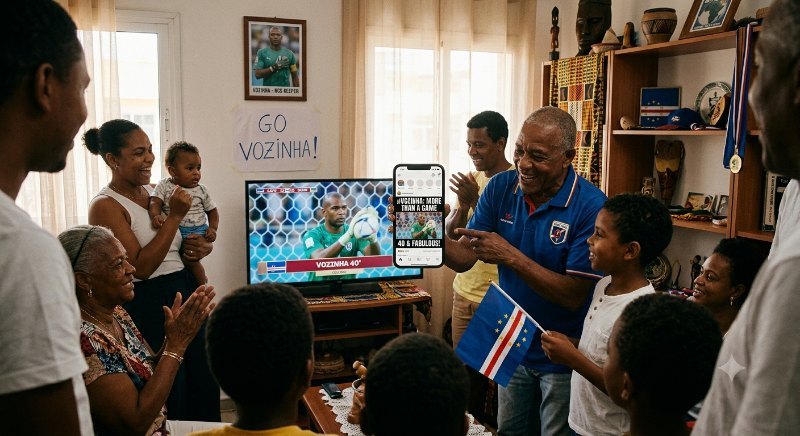
Instead, supporters experience every goal, save and upset alongside millions of people around the world through their phones.A simple moment on the pitch can instantly become a global conversation.
More than a game
The tournament has also highlighted themes of cultural identity, remembrance and family support.
Players often carry their national flags, dedicate victories to loved ones or share emotional moments with family members after matches.
These moments have resonated with audiences because they reflect everyday human experiences.
“Football brings people together even when they are thousands of kilometres apart.”
By the numbers
According to FIFA, the World Cup remains one of the most-watched sporting events globally, attracting billions of viewers across television and digital platforms.
The growing influence of social media has further expanded its reach, allowing fans to participate in conversations regardless of where they are.
As the tournament continues, one thing is becoming increasingly clear: the World Cup is no longer confined to the stadium.
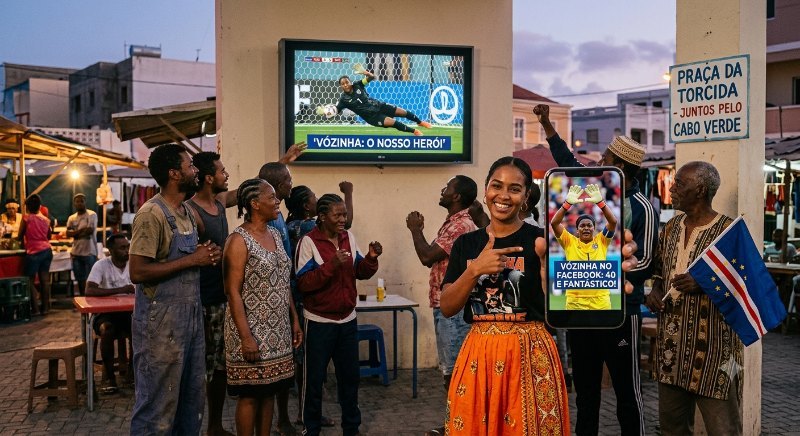
It lives in living rooms, phone screens and family conversations, turning football into a global story that millions of people experience together.