As the 2026 FIFA World Cup continues across the United States, Mexico, and Canada, many people are paying attention not only to the matches but also to the stadiums hosting the tournament.
These venues have become an important part of the World Cup story, attracting football supporters, tourists, architects, content creators, and sports enthusiasts from around the world.
Speedline @speedlinexx "USA is already living in 2050, man, just look at the stadium."
Architectural Marvels and Modern Infrastructure
In the United States, stadiums such as MetLife Stadium in New Jersey, SoFi Stadium in Los Angeles, AT&T Stadium in Texas, and Mercedes-Benz Stadium in Atlanta have gained significant attention because of their large capacity, modern technology, and unique architectural designs.
Although most of these facilities were originally built for American football, they have been adjusted and prepared to host one of the biggest sporting events in the world.
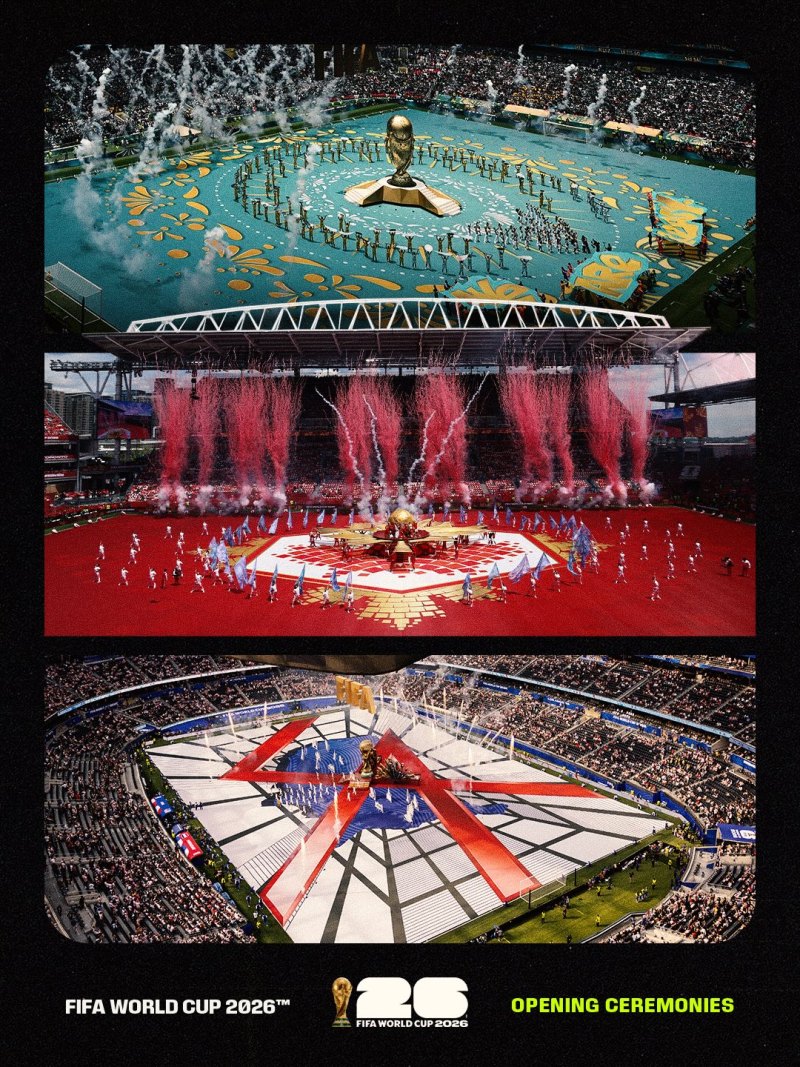
Among the venues, SoFi Stadium has attracted particular interest for its modern design and massive video display system. Visitors attending matches and touring the facility have shared photos and videos on social media platforms, giving people around the world a closer look at its features.
Broadcasters covering the tournament have also highlighted the stadium's advanced infrastructure during match coverage.
@WorldCup26HQ "This stadium looks like it’s straight from the future"
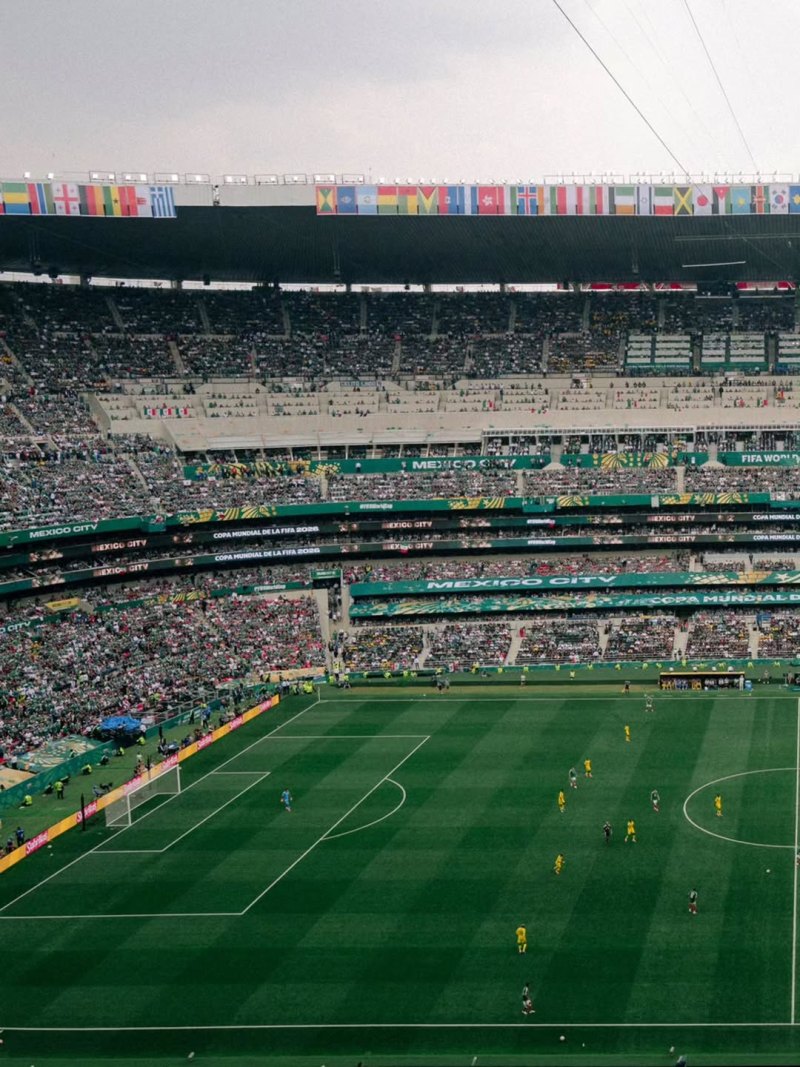
In Mexico, the focus has largely been on the famous Estadio Azteca in Mexico City. The stadium is widely recognized because of its long football history and its role in previous World Cup tournaments. As one of the sport's most iconic venues, it continues to attract football fans who want to experience a stadium that has hosted some of the game's most memorable moments.
"We're all talking about the stadiums in the United States, but we have to acknowledge that Mexico also brought some top-tier stadiums for the World Cup. The Azteca has always been the Azteca"
Tourism, Content Creation, and Local Economic Impact
Apart from hosting matches, many World Cup stadiums have become tourist attractions. Fans traveling to host cities are visiting these venues for stadium tours, photography, and to experience the atmosphere that surrounds matchdays.
The increased number of visitors has also brought more activity to nearby hotels, restaurants, entertainment centers, and other local businesses that benefit from the presence of football supporters.
The stadiums have also become a major source of digital content. Travel vloggers, influencers, and sports content creators have been producing videos and posts about stadium architecture, transportation systems, fan experiences, and cultural activities taking place around the venues.
This has helped expand World Cup discussions beyond the results on the pitch and into conversations about travel, infrastructure, and city life.
Logistics, Safety, and the Global Fan Experience
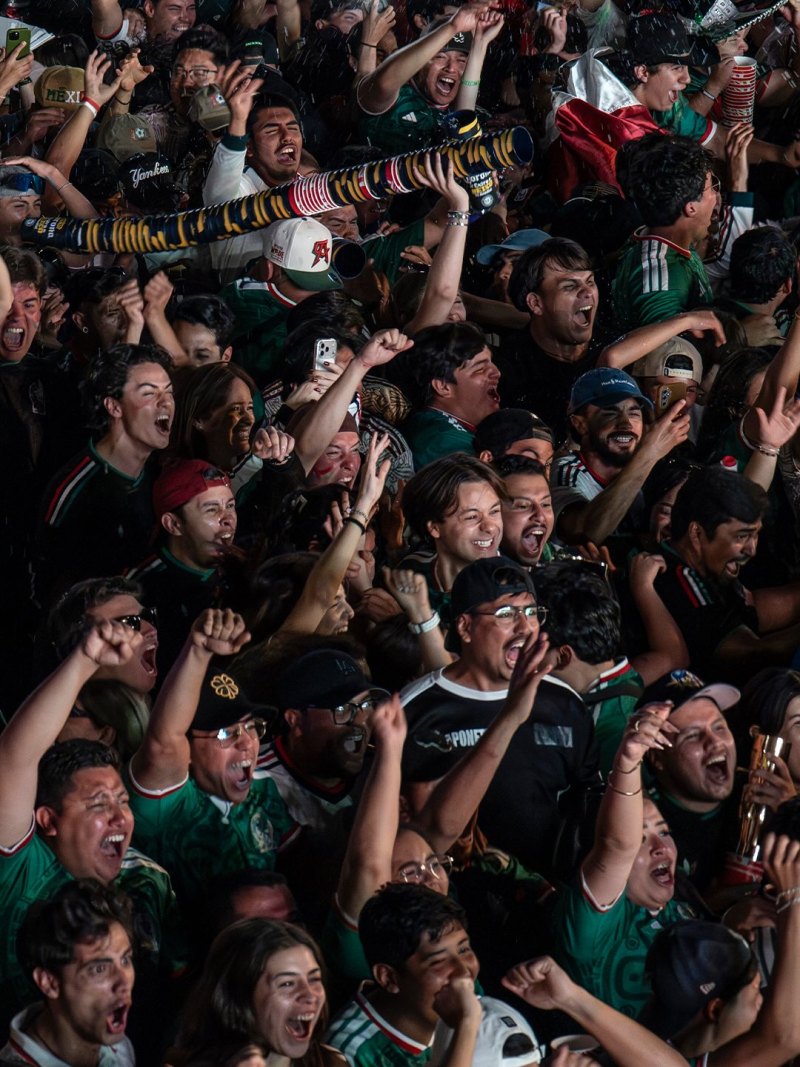
At the same time, security arrangements, transportation planning, and crowd management efforts have become important topics of discussion. Host cities continue to implement measures designed to handle large numbers of visitors while ensuring smooth movement between stadiums, fan zones, and public transport systems.
As the tournament progresses across North America, the stadiums remain a major attraction. Their role now goes beyond hosting football matches, as they continue to serve as landmarks that contribute to the overall World Cup experience for visitors from around the world.
@washingtonpost "Soccer fans from around the world have poured into the U.S. for the World Cup, delighting Americans with giddy social media reviews of American culture, an exotic offering of big-box stores, sprawling rest stops and state-of-the-art stadiums."