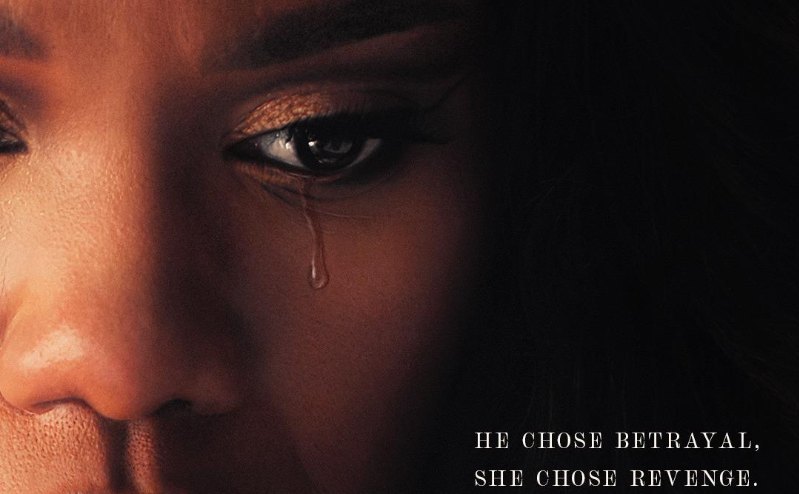
A new South African series debuted on Netflix on June 12, 2026, and quickly climbed the charts. The Polygamist, a 22-episode adaptation of Sue Nyathi’s 2012 novel, has viewers binge-watching late into the night and flooding social media with reactions.
The Polygamist // Instagram
Advertisement
Advertisement
The Polygamist continues to generate intense debate across Kenya, with viewers dissecting the actions of its central character, Jonasi Gomora ,a wealthy businessman, and the women involved in his complicated web of relationships.
While much of the public discussion has centred on male infidelity, a growing number of viewers are asking whether accountability should extend beyond the man at the centre of the story.
The series follows Jonasi Gomora whose secret relationships eventually collide, exposing years of deception, betrayal and emotional damage. As audiences analyse the fallout, one question keeps resurfacing: Who should be held responsible when multiple adults knowingly enter a relationship involving a married partner?
A Debate Beyond Cheating
Advertisement
Advertisement
Many viewers agree that Jonasi’s actions were dishonest and harmful. However, others argue that some of the women involved were aware he had a wife and children before pursuing relationships with him.
One social media user summed up the sentiment:@midiary001,wrote “Before you all come for me, I’m not defending cheating. But why is all the blame on the man? Some of those women knew he had a wife and children before getting involved with him. Accountability should go both ways.”
"The Polygamist on Netflix is not a show about a man with many women. It's a show about what happens to women when they organise their entire lives around one undeserving man,” one social media user, @lee_Duruwe_, wrote.
“Jonasi Gomora is not a polygamist. He is a predator.” — Common sentiment echoing across platforms as viewers debate his character.
One review noted that audiences do not need to sympathise with Jonasi — they just need to watch the mess he leaves behind and the consequences of the choices made by everyone involved.
The argument has sparked wider conversations about personal responsibility, consent and decision-making in modern relationships.
Why the debate?
Much of the online talk centres on whether Jonasi represents true polygamy or simply serial cheating wrapped in wealth and power. Discussionstouch onloyalty, greed, gender expectations, and the costs of doublelives,mixing glossy drama with uncomfortable truths.
Another popular discussion focused on changing attitudes towards relationships and marriage. “Why are women these days single, and others want to remain unmarried?”
Supporters argued that many women are choosing peace, independence and financial stability over relationships they perceive as unhealthy. Critics, however, argued that unrealistic expectations are making long-term commitment increasingly difficult.
Beyond Blame
The Polygamist has encouraged audiences to examine difficult questions about loyalty, honesty, accountability, and the choices people make in pursuit of relationships. “The discussion isn’t about defending cheating. It’s about whether responsibility belongs to one person or everyone involved.”
The Polygamist // Gemini
As the debate continues, one thing is clear: The Polygamist has resonated with audiences because it reflects real-life issues that extend far beyond the screen.
Rather than offering simple answers, it has challenged viewers to consider the complexities of human relationships and the shared responsibilities that often come with them.
More Than Entertainment
In the The Polygamist ,“The conversation is no longer just about cheating. It is about honesty, responsibility and whether accountability should apply equally to everyone involved.”
As debates continue online, one thing remains clear: The Polygamist has become more than a television series. It has evolved into a cultural conversation about relationships, loyalty and personal responsibility in contemporary society.