For decades, international football was dominated by a select group of nations. Teams such as Portugal, Brazil, Germany, Spain, France, Argentina, and England entered major tournaments carrying the weight of history and the expectation of victory.
Yet the opening weeks of the 2026 World Cup have already shown that reputation alone no longer guarantees success.
Rising Challengers Reshape the Group Stage
Perhaps the biggest statement came from Morocco. Once viewed as an outsider rather than a genuine contender, Morocco held Brazil to a 1-1 draw.
For a nation that has won five World Cups, dropping points to Morocco would once have been seen as unthinkable. Today, it is simply evidence of how competitive international football has become
Elsewhere, Cape Verde frustrated Spain in a goalless draw. Spain, a former world champion renowned for its technical dominance, found itself unable to break down a disciplined Cape Verde side that played with organization and belief.
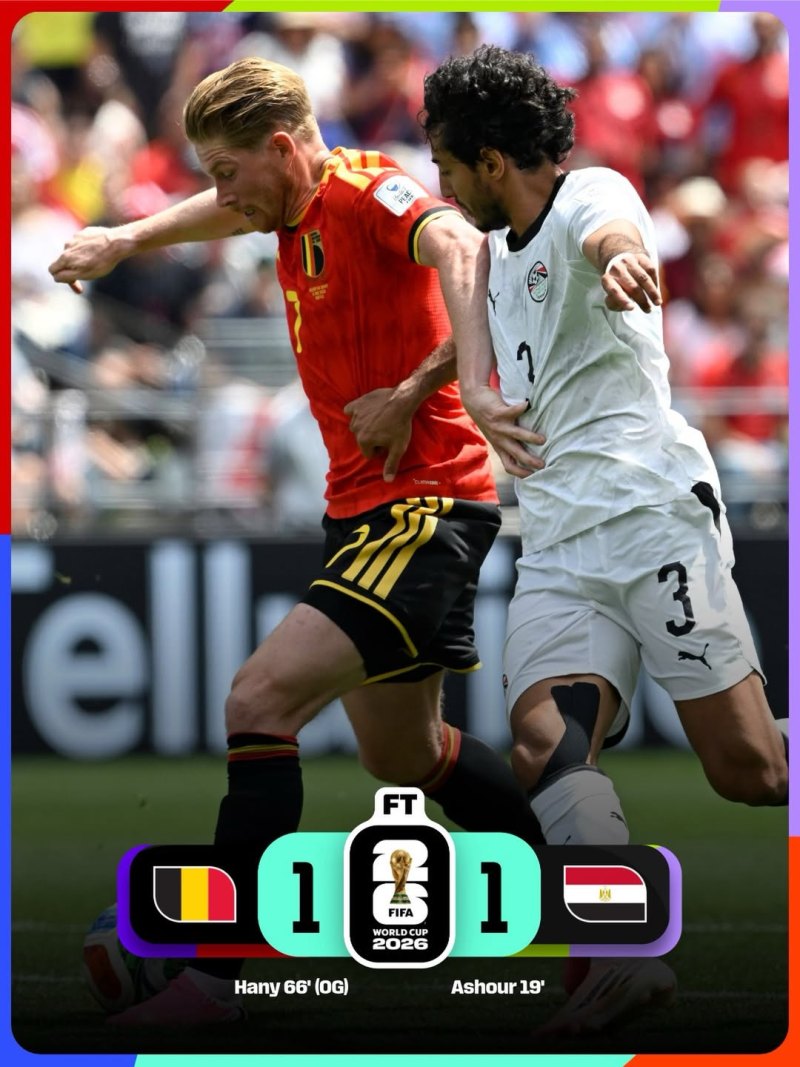
Another shock came when Egypt held Belgium to a 1-1 draw. Belgium's so-called "golden generation" may be nearing its end, but they remain one of Europe's most respected teams. Egypt, however, matched them in every department and left with a deserved point.
The surprises did not stop there.
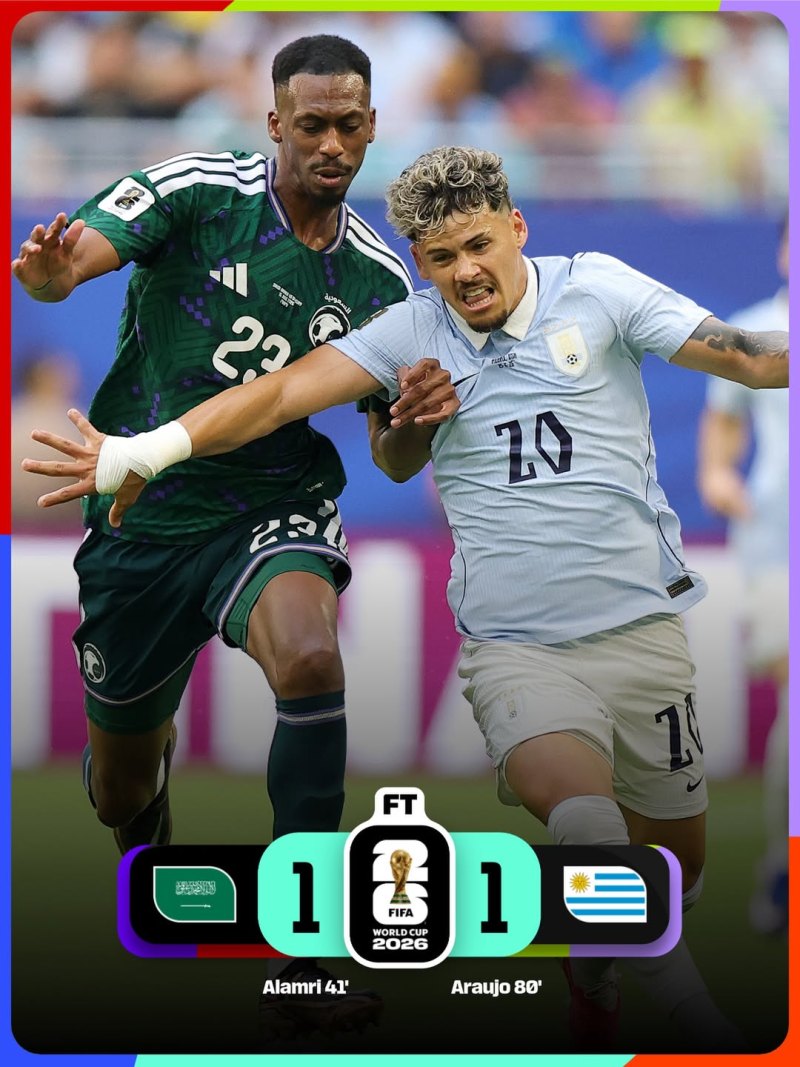
Saudi Arabia earned a 1-1 draw against Uruguay, while DR Congo held Portugal to a 1-1 stalemate. Both results highlighted a growing trend: teams once expected to dominate are finding it increasingly difficult to overcome organized and fearless opposition.
Factors Closing the Global Talent Gap
Historically, countries such as Brazil, Spain, Portugal, Belgium, and Uruguay would have entered these matches expecting comfortable victories.
Their squads are filled with players from Europe's elite clubs, while many of their opponents have traditionally been viewed as second-tier football nations.
But modern football has changed.
Morocco's remarkable run to the semi-finals of the 2022 World Cup showed that African teams can compete with the very best.
Saudi Arabia famously defeated Argentina in Qatar. Japan has repeatedly troubled European giants. Nations such as Senegal, Egypt, and DR Congo now produce players who compete in top leagues across Europe.
Shifting Pressures and Tournament Mindsets
The pressure on football's traditional powers has never been greater. Fans expect victories, sponsors demand success, and the media scrutinize every result.
Meanwhile, underdogs play with freedom.
When Morocco faced Brazil, the pressure was entirely on the Brazilians. The same was true for Spain against Cape Verde and Portugal against DR Congo.
The so-called smaller nations entered those matches believing they had nothing to lose and everything to gain. However, not every giant is struggling.
Germany hammered Curacao 7-1, England defeated Croatia 4-2, and France beat Senegal 3-1. However, the number of unexpected results in just the opening stages of the tournament suggests that the gap between football's elite and the chasing pack is narrowing.
Today's underdogs are no longer content with simply participating. They arrive expecting to compete, frustrate, and sometimes defeat the biggest names in world football.