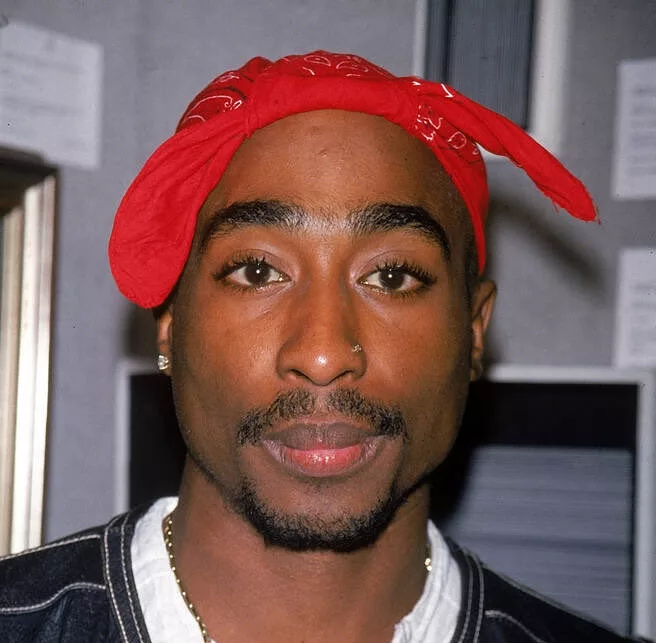
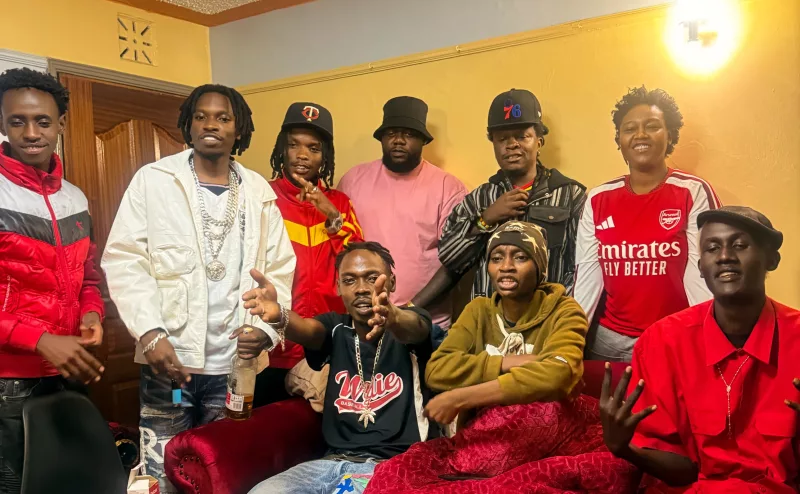
Veteran musician Bobby Mapesa, born Moses Oduma is trending after his latest track, "Chong’iong’io," returned the rapper to public attention and generated polarized reactions across online platforms like TikTok and X.
Upon its release, the track faced immediate criticism and audience pushback, with a section of listeners arguing that Mapesa's sound and delivery were outdated, suggesting that his style remained rooted in an earlier era of Kenyan urban music.
Critics noted that the comeback did not reflect modern shifts in production, lyrical themes, and audience tastes, with commentators frequently stating that his musical format appeared unchanged from his 2006 releases.
However, within days of the release, the public response experienced a transition to viral traction on TikTok as the song gained momentum.
Listeners reported that the track functioned as an earworm, leading to increased engagement through repeated plays. On TikTok, the audio was widely adopted by creators for trends, challenges, and background music.
This resurgence in visibility sparked a public debate on legacy and lyrical proficiency, creating a divided online conversation regarding Mapesa's overall status in the music industry.
Certain critics contested the designation of Mapesa as a music legend, arguing that his era of prominence had concluded and that he should step away from the music space. Conversely, a section of fans defended his historical impact and technical skill.
Bobby Mapesa // Instagram
Debating Hip-Hop Legacy and Lyrical Proficiency
To highlight his proficiency, supporters specifically cited his older performances, such as his verse on the track "Wezere," utilizing it as a benchmark to compare his lyrical structure favorably against contemporary hip-hop artists like Nyashinski:
"I see people clowning Bobby Mapesa on TikTok, but he's such a good rapper. Ukiambia Nyashinski aandike verse kama ya Bobby Mapesa on Wezere I promise you huyo jamaa atakufa."
Historical Context and Mainstream Roots
This renewed interest also prompted audiences to revisit his background data and older catalog, renewing interest in past hits such as "Ndai" and "Naskia Utam." Prior to these events, Bobby Mapesa was already established as a prominent Kenyan rapper and entertainer who originally gained fame during the peak of Kenya's urban music movement. Operating within the Genge and hip-hop genres, he became known for combining humor with street-inspired storytelling. His mainstream releases originally resonated with youth audiences, establishing him as a notable figure in the Kenyan entertainment industry years before his initial mainstream success led to his recent comeback.