The quality of the environment people live in is becoming an increasingly important factor in human health, as experts warn that pollution and poor waste management are affecting millions of lives worldwide.
From polluted air to contaminated water sources, environmental challenges are now being linked to a growing number of health concerns. Scientists and public health organisations say that human actions and environmental conditions are closely connected.
Communities in many countries continue to face challenges such as littering, improper waste disposal, blocked drainage systems, and the destruction of green spaces.
Read Also
These issues can create environments that increase the risk of disease and reduce the quality of life.
The air people breathe.
Air pollution remains one of the biggest environmental health concerns globally.
Vehicle emissions, industrial activities, open burning of waste, and smoke from household fuels contribute to poor air quality.
According to the World Health Organization (WHO), air pollution is associated with millions of premature deaths each year worldwide.
Long-term exposure can increase the risk of respiratory diseases, heart disease, and other health complications.
“The environment people create today can influence the health of future generations.”
Access to clean water remains essential.
Clean and safe water is another important factor in maintaining public health.
However, some communities continue to experience water contamination due to poor sanitation systems, waste disposal, and environmental degradation.
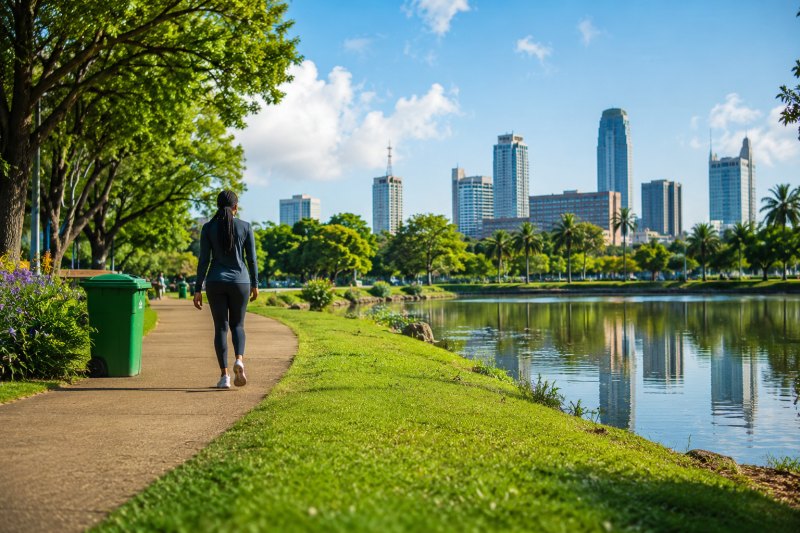
Health experts say access to safe drinking water reduces the spread of waterborne diseases and improves overall well-being.
The availability of clean water also supports food production, hygiene, and healthy living conditions.
Small actions, bigger impact
Environmental specialists often point to everyday habits that can collectively make a difference.
These include disposing of waste properly, reducing plastic pollution, planting trees, and keeping public spaces clean.
Many schools, community groups, and organisations have also introduced environmental clean-up activities to encourage collective responsibility.
“Protecting the environment is not a single event but a continuous responsibility.”
A shared responsibility
Environmental issues continue to shape daily life in both urban and rural communities.
While governments, organisations, and environmental experts develop long-term solutions, individual actions remain part of the wider conversation.
The reality is that the condition of the environment affects human health, livelihoods, and future generations.
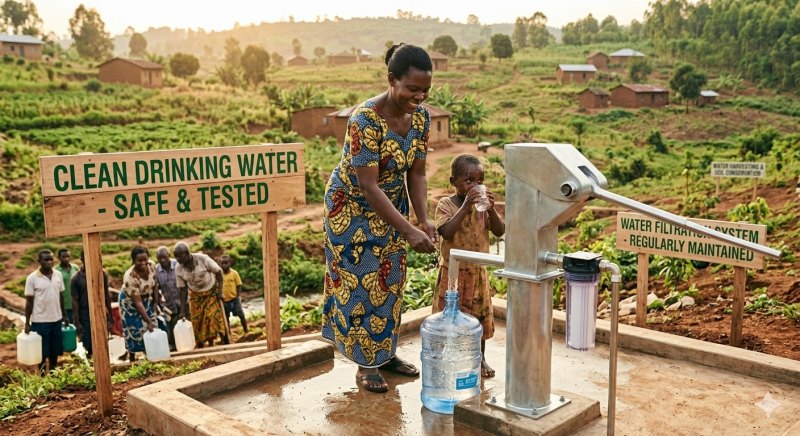
As communities face growing environmental challenges, the question remains: what kind of environment will people leave behind for those who come after them?
The answer may depend not on a single action, but on the everyday choices made by millions of people around the world.