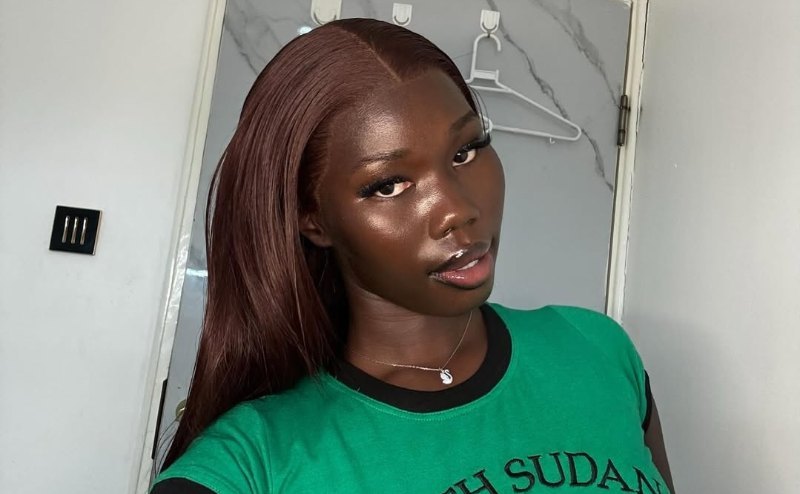
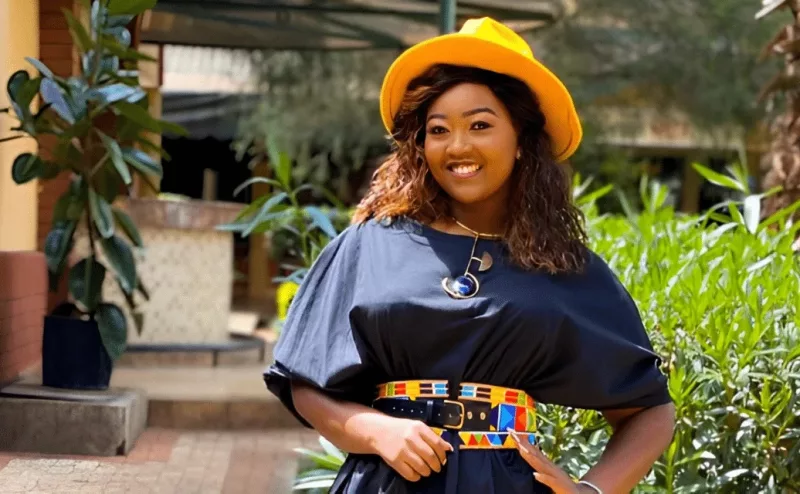
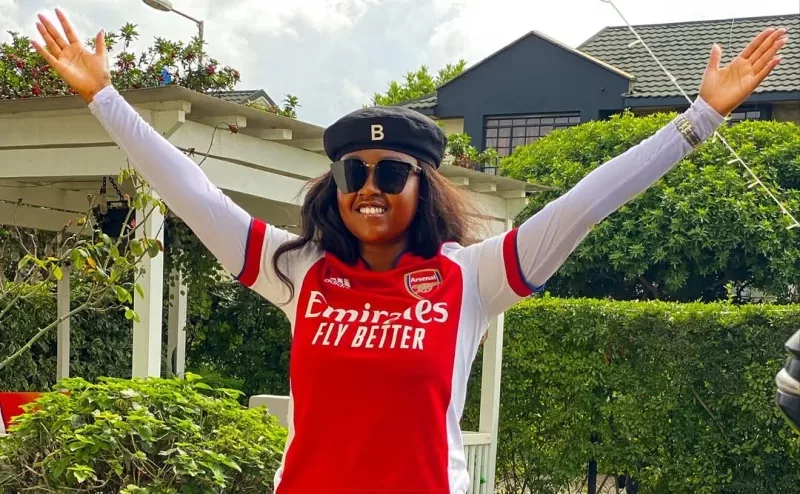
Digital content creator Imo has ignited a lively debate on social media after sharing her views on how society remembers public figures after their death.
In a post shared on Instagram, Imo questioned why people often overlook controversial aspects of a person’s life once they pass away.
Using late American rapper Tupac Shakur as an example, she argued that admiration for influential figures should not come at the expense of acknowledging their flaws.
Using late American rapper Tupac Shakur as an example, she argued that admiration for influential figures should not come at the expense of acknowledging their flaws.
“I don’t know why, when people die, we all of a sudden want to pretend they were nice people,” she wrote. Imo went on to encourage followers to be cautious about the messages they consume from influential men. “Don’t listen to misogynistic and colourist men.”
Read Also
Her comments quickly attracted attention, reopening discussions about Tupac’s legacy nearly three decades after his death.
Revisiting a complicated legacy
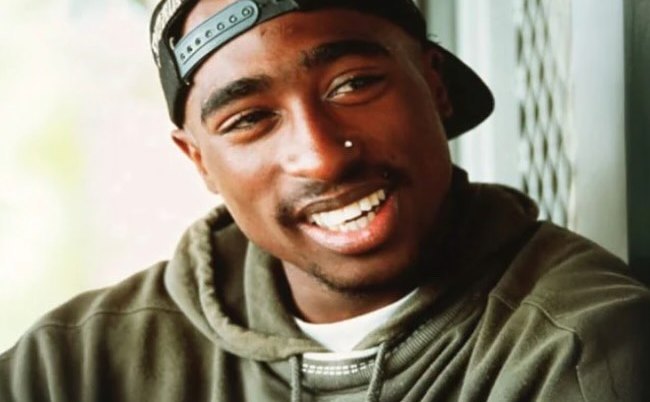
Tupac remains one of the most influential figures in hip-hop history. His music continues to resonate globally, with themes ranging from social justice and poverty to race and inequality.
However, his life and career have also been the subject of controversy. In 1994, Tupac was convicted on charges of first-degree sexual abuse stemming from an incident in New York. He consistently denied the allegations and maintained his innocence until his death in 1996.
Social media divided
Imo’s post drew mixed reactions, with some followers agreeing that historical figures should be remembered in full, while others defended Tupac’s reputation.
One follower, Roxyl7, appeared surprised by the argument. “Me realising she is saying the truth… cheeeii.”
Others strongly disagreed. “You’re totally wrong,” wrote dr1p_w1zz_m1ke.
User Attahpat responded by outlining details of Tupac’s legal case and conviction, while another follower, Serendipityiee, maintained that the rapper had been unfairly treated. “Tupac didn’t do it. He was set up! But I get what you are saying.”
Another supporter praised her willingness to speak openly. “Girls just out there speaking their mind, not caring who’s pissed off,” wrote tssssshy.
Broader conversation about public memory
The discussion highlights how society should remember influential figures who leave behind both achievements and controversies.
“The sentiment is correct, but I’m pretty sure they set Tupac up,” one follower commented, reflecting the ongoing divide among fans.