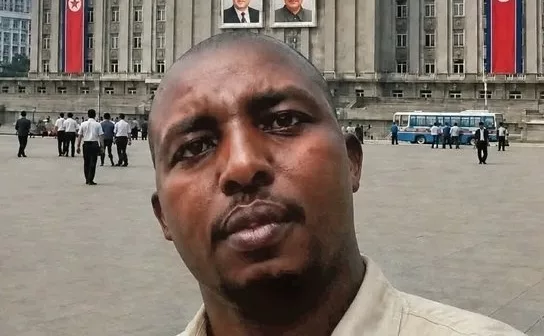
Pastor T. Mwangi has weighed in on the growing concern over youth involvement in serious crimes, warning that a single decision can permanently alter a young person’s future.
Speaking during an interview with Oga Obinna, the pastor reflected on the long-term consequences that individuals may face after being implicated in criminal cases, particularly those involving murder allegations.
He expressed sympathy for the young people involved, saying many of them are likely experiencing regret while in custody.
Read Also
“Hao watoto wako jela najua wanalia. Hao watoto wanaregret. Hao watoto wanawish hawangeifanya,” he said.
The pastor described the situation as heartbreaking, noting that actions taken at a young age can have lasting effects on a person’s opportunities later in life.
Concerns over lost opportunities
Pastor T. Mwangi also spoke about how criminal records and convictions can affect future prospects.
He argued that involvement in serious offences may limit opportunities for employment, travel and social reintegration.
“Kesi ya murder haiwezi kuwa less than 15 years,” he said while discussing the seriousness with which murder cases are handled by the justice system.

Legal experts, however, note that sentences vary depending on the country, the specific circumstances of a case and the outcome of court proceedings.
Not every accused person is convicted, and all suspects remain innocent until proven guilty in a court of law.
Growing concern over youth crime
The discussion comes at a time when Kenya has witnessed increased public concern over youth involvement in violence, school unrest and criminal activities.
Experts say peer pressure, social media influence, family instability and mental health challenges are among the factors that can contribute to risky behaviour among young people.
Education specialists have repeatedly called for stronger mentorship programmes and early interventions to prevent young people from engaging in crime.
Studies by international organisations have shown that guidance from families, teachers and community leaders can significantly reduce the likelihood of youth offending.
A call for prevention rather than punishment
Pastor T. Mwangi urged parents and guardians to have open conversations with young people before problems escalate.
He said the focus should not only be on punishment but also on helping young people understand the long-term consequences of their decisions.
“One decision can change the entire course of a young person’s life.”
As debates continue, experts agree that prevention, mentorship and strong support systems remain key in guiding young people towards positive paths.