A new Bill seeks to overturn decades-old provisions that strip dismissed workers of their retirement entitlements.
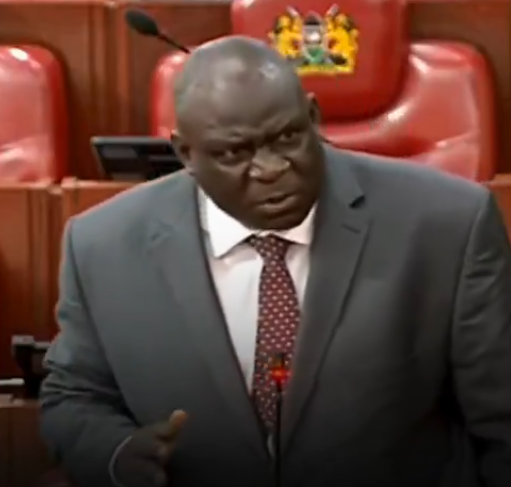
The proposed Pensions (Amendment) Bill, 2026, sponsored by Emuhaya MP Omboko Milemba, seeks to make pension an absolute right for every public officer.
If enacted, pension payouts would be handed regardless of whether a civil servant is dismissed from service after disciplinary proceedings.
The legislation seeks to amend the Pensions Act and the Public Service Commission Act by removing provisions that currently deny pension benefits to officers who lose their jobs through dismissal.
The proposal is likely to spark intense debate within government and labour circles, with supporters arguing that pension is a deferred benefit earned through years of service.
Critics may contend that allowing dismissed officers to retain pension benefits could weaken disciplinary measures in the public service.
Under the existing law, a public officer who is dismissed forfeits all rights to pension, gratuity and other retirement awards accrued during their service.
The law also extinguishes claims relating to leave and passages at public expense.
Milemba's Bill seeks to delete the specific provisions that enable such forfeiture, effectively allowing officers who have accumulated pensionable years of service to receive retirement benefits even after dismissal.
According to the memorandum accompanying the Bill, the intention is to guarantee pension rights for all officers and align labour practices with constitutional protections.
“The principal objective of this Bill is to amend the Pensions Act to make the right to pension an absolute right for every officer,” the memorandum states.
It adds that the amendment will ensure dismissed public officers remain eligible for pension benefits while promoting fair labour practices envisioned under Article 41 of the Constitution.
The proposal comes against the backdrop of increasing litigation involving retired and dismissed public servants seeking access to pension benefits after long years of government service.
Labour rights advocates have long argued that pension should not be treated as a reward granted at the discretion of employers but as a benefit earned through contributions and years worked.
They maintain that disciplinary sanctions should be separate from retirement benefits already accrued by employees.
The Bill could particularly benefit public officers who served for decades before being dismissed near retirement age.
Under the current framework, such officers risk losing retirement benefits accumulated over many years despite having completed significant periods of pensionable service.
The proposed law also seeks to change the eligibility framework as currently contained in the Pensions Act.
Existing provisions state that where an officer has completed ten years of pensionable service, the benefits accruing to that officer vest and become payable in accordance with the law.
Supporters of the amendment argue that once benefits have vested, they should not be withdrawn solely because of disciplinary action occurring later in an employee's career.
The legislation additionally proposes amendments to Section 68 of the Public Service Commission Act, which outlines disciplinary penalties that may be imposed on public officers.
Current penalties include reprimand, deferment of salary increments, deferment of promotion, dismissal and reduction in rank or seniority.
The law also allows authorities to retire an officer in the public interest instead of imposing dismissal where mitigating factors exist.
This should be done taking into account the employee's length of service, accrued benefits and previous record.
By deleting subsection 68(4) of the Public Service Commission Act, the Bill would remove the legal basis upon which dismissed officers automatically lose claims to pension and gratuity.
The proposed changes are expected to generate concerns over the financial implications for the government, which already faces a growing pension bill.
Treasury data has in recent years shown pension obligations consuming an increasing share of public expenditure, with thousands of retired civil servants relying on monthly pension payments from the exchequer.
Pension expenditure is projected at Sh241.94 billion in 2026-27, making it the second-largest component of Consolidated Fund Services after debt servicing.
The National Assembly Debt Committee has in a report noted that pension payments have risen sharply over the years, increasing pressure on public finances.
The committee noted that pension claims paid directly from the Exchequer surged from Sh25 billion in 2008/09 to Sh189 billion in 2023/24, underscoring the urgency of pension reforms.
If the proposed law is enacted, the amendment would mark a significant shift in the country’s public service pension regime.
It stands to end a long-standing rule that has seen dismissed officers lose retirement benefits accumulated over the course of their careers.
INSTANT ANALYSIS
The Bill has been published and is expected to undergo scrutiny before being debated by the National Assembly. Lawmakers will have to balance the need for accountability in the public service against constitutional guarantees on labour rights and the protection of earned benefits.