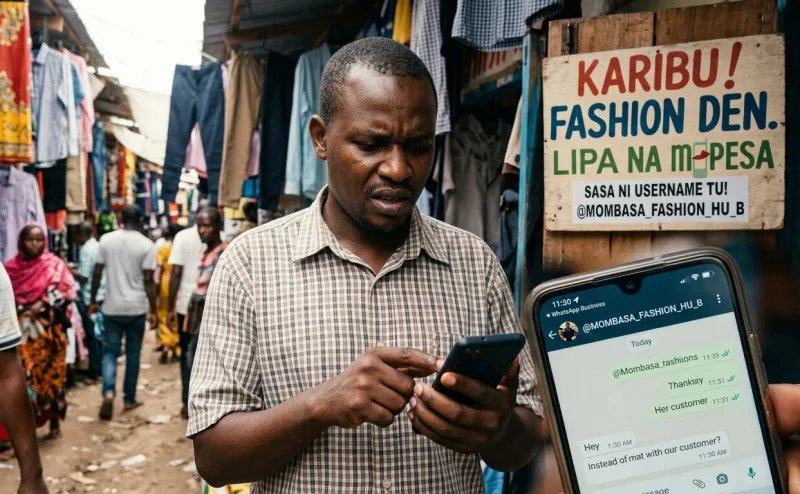
Over the weekend, Kenyan rapper and dancehall star Dyana Cods took to social media with a question that many of us have often wondered about. She asked how "free" apps like WhatsApp and Facebook actually make money when they do not charge their users a cent.
It is a valid question. These platforms host billions of users and require massive, expensive computer servers to stay online. Yet, the average user never has to part with any cash.
“How do free Apps like WhatsApp make money?” she questioned.
The answer lies in a complex architecture of business services, data, and targeted advertising.
The WhatsApp Business Model
WhatsApp has nearly three billion users worldwide. While personal accounts are free, the app makes its money by charging corporate customers.
Businesses pay a premium to interact with individual customers for things like customer support or automated notifications.
In some cities, like Bangalore, users can even buy bus tickets and choose seats directly within a chat thread.
"Our vision is that a business and a customer should be able to get things done right in a chat thread." — Nikila Srinivasan, Meta vice president of business messaging.
Meta, which owns WhatsApp, Facebook, and Instagram, also sells "click-to-WhatsApp" ads. These are links in Facebook or Instagram ads that launch a chat with a business. This feature alone is worth billions of dollars to the company.
Data and Targeted Advertising
For apps like Facebook and Instagram, the primary revenue source is targeted advertising. These platforms collect extensive data on your age, location, interests, and browsing habits.
Brands then pay to show highly personalised ads to specific audiences. Even if an app uses encryption, it can still monitor who you talk to and what you do to build a profile for advertisers.
"If you, the user, aren't paying, then the chances are that you are the product." — Matthew Hodgson, co-founder of Element.
Statistics from 2024 show that 60% of apps share user data with third parties. While this data is usually anonymised and encrypted, it helps marketers choose the right audience for their products.
The "Freemium" and Subscription Model
Many apps use a "freemium" strategy. This means the app is free to download, but advanced features are locked behind a paywall.
- Discord: Free to sign up, but users pay for "Nitro" to get high-quality streaming and custom emojis.
- Tinder: Offers premium tiers for unlimited swipes and profile boosts.
- Spotify: Charges a monthly fee to remove ads and allow offline listening.
Research indicates that free apps typically earn between $0.50 and 5 to $20 per month per user.
Service Fees and Hidden Costs
Apps that act as a bridge between people often charge service fees. For example, the professional marketplace Upwork charges freelancers a commission of up to 20% on their earnings.

Delivery apps can take a 15–25% commission from restaurants for every order placed.
In the end, while the download button says "free," these companies have turned our attention, our data, and our business interactions into a multi-billion-dollar industry.