The brightly painted matatu swerves from one lane to another. Music blasts from powerful speakers. Passengers cheer as the vehicle snakes through traffic, overtaking cars and squeezing into narrow gaps.
For many young commuters, the experience is thrilling.
For road safety experts, it is terrifying.
The culture of the "nganya" has become a defining feature of urban transport in Kenya. Known for customised artwork, loud entertainment systems and youthful crews, these vehicles have built loyal followings, particularly in Nairobi.
Read Also
Yet behind the glamour lies a growing concern about dangerous driving habits that have increasingly been linked to road crashes.
Recent accidents involving public service vehicles have once again raised questions about whether some operators are prioritising popularity and speed over passenger safety.
"A matatu is public transport, not a performance stage."
The snake-like manoeuvres
Among enthusiasts, aggressive driving styles are often celebrated as a display of skill.
Drivers weave through traffic, make sudden lane changes and compete for passengers along busy routes. Commuters commonly describe these movements as "snake-like", with vehicles twisting through traffic in ways that leave little room for error.
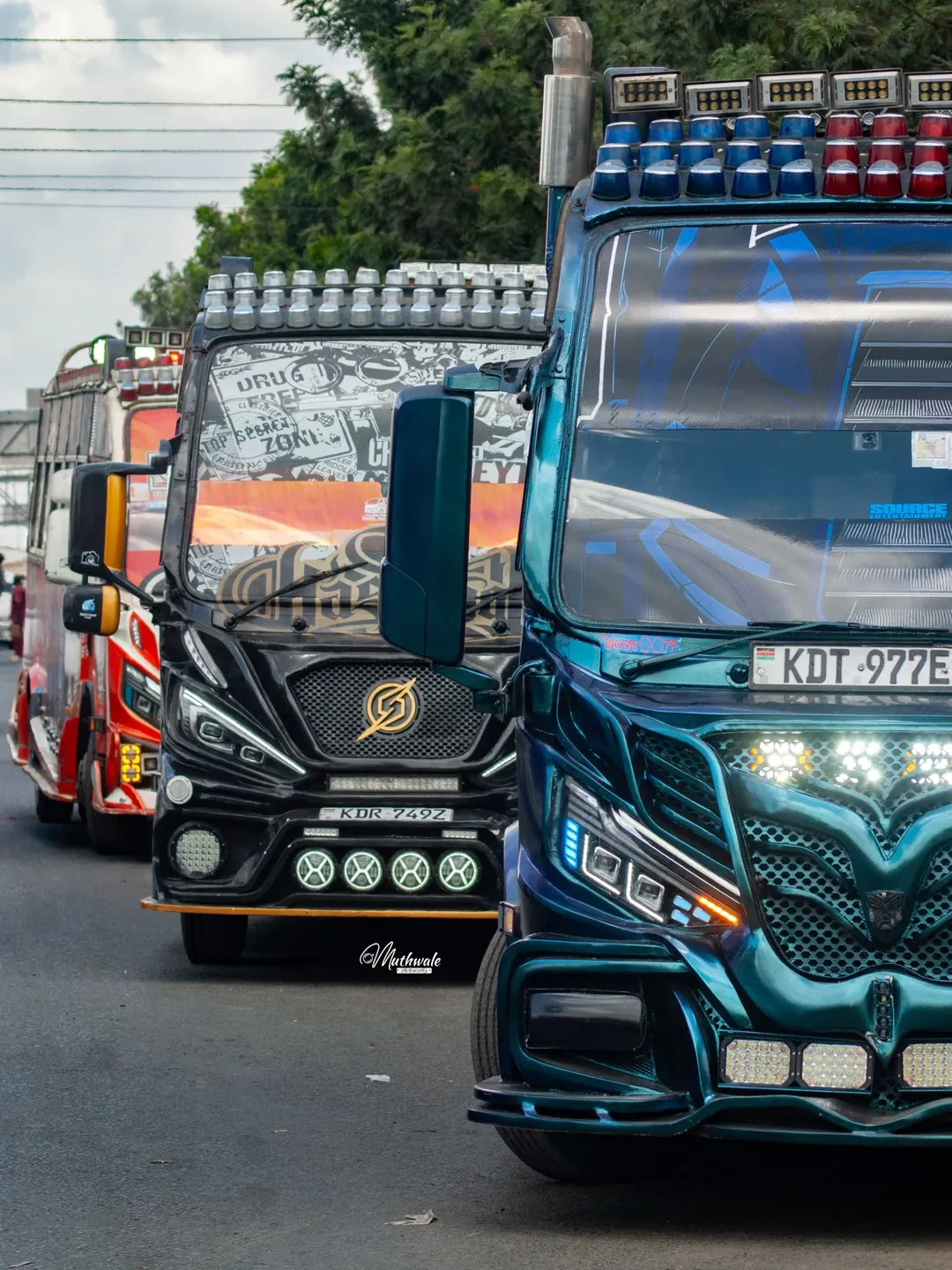
Road safety officials warn that such behaviour significantly increases the risk of collisions.
According to the National Transport and Safety Authority (NTSA), speeding remains one of the leading causes of road crashes in Kenya. Dangerous overtaking, distracted driving and failure to observe traffic rules also contribute heavily to fatalities.
When a driver loses control, the consequences can be devastating.
Families left with grief.
Every major road crash leaves a trail of destruction that extends far beyond the accident scene.
Families lose loved ones. Survivors suffer life-changing injuries. Businesses lose workers. Communities lose parents, siblings and friends.
While many nganya operators comply with traffic regulations, a small number of reckless drivers continue to shape public perception of the industry.
Road safety campaigners argue that enforcement alone will not solve the problem. They say a broader cultural shift is needed to redefine what passengers consider impressive.
"The safest driver should be the most respected driver."
The numbers behind the concern
Kenya continues to record thousands of road deaths every year.
Government data shows that road crashes claim more than 4,000 lives annually, with pedestrians, passengers and motorcyclists among the most affected groups.
Public service vehicles account for a portion of these incidents, prompting repeated calls for stricter compliance with traffic laws and vehicle inspections.
Balancing culture and safety
Many operators have invested heavily in branding, technology and customer experience. For thousands of Kenyans, matatus provide an affordable and essential transport service.
However, road safety experts say creativity should never come at the expense of human life.
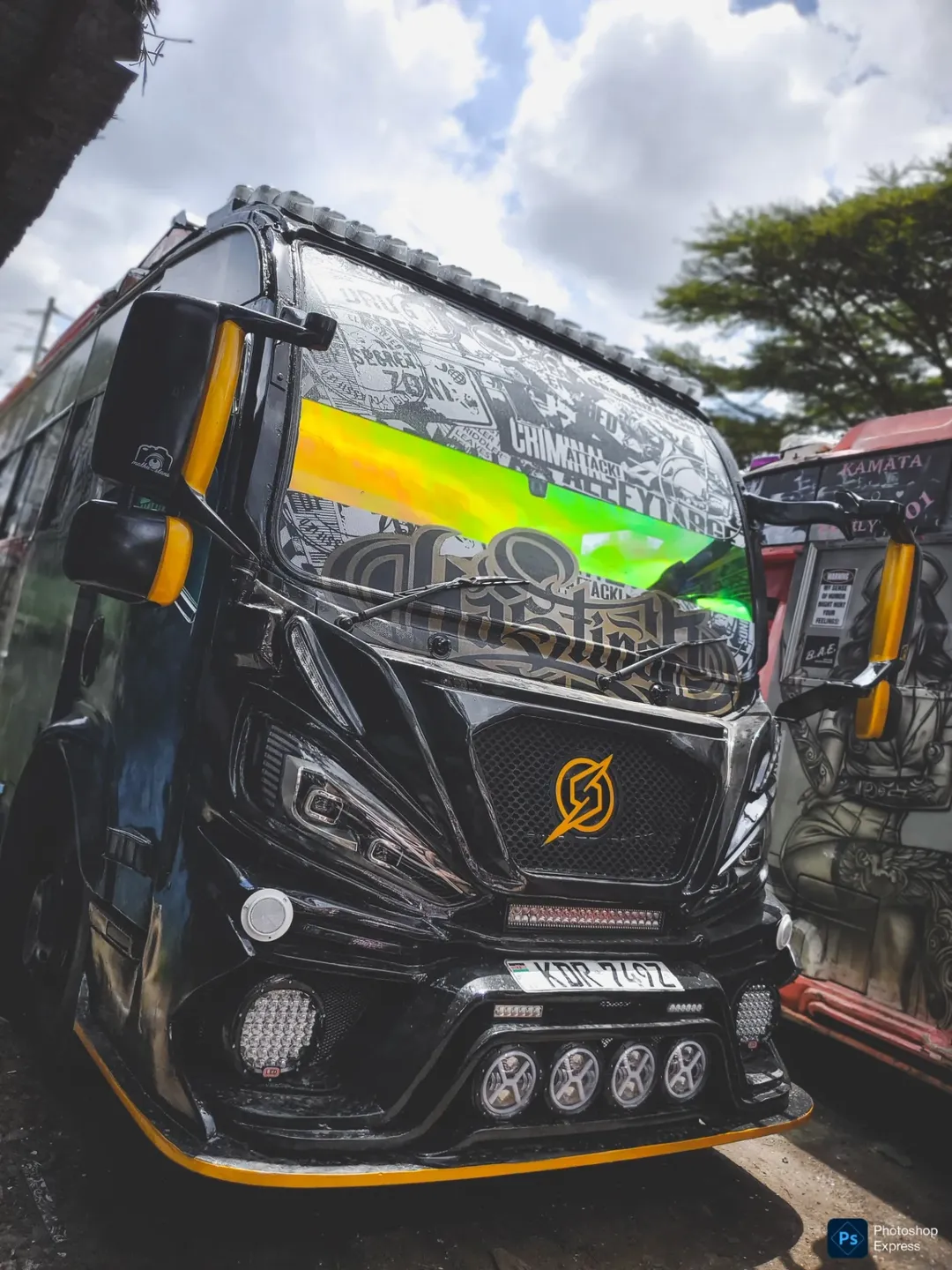
As investigations continue into recent crashes, the debate is returning to a simple question: where should the line be drawn between entertainment and safety?
For families who have lost loved ones on Kenyan roads, the answer is clear.
No amount of excitement is worth a life.