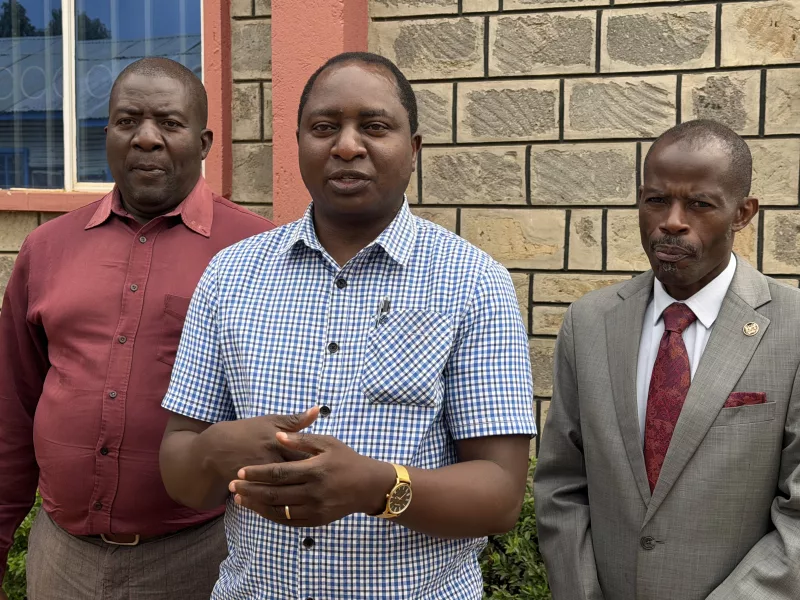
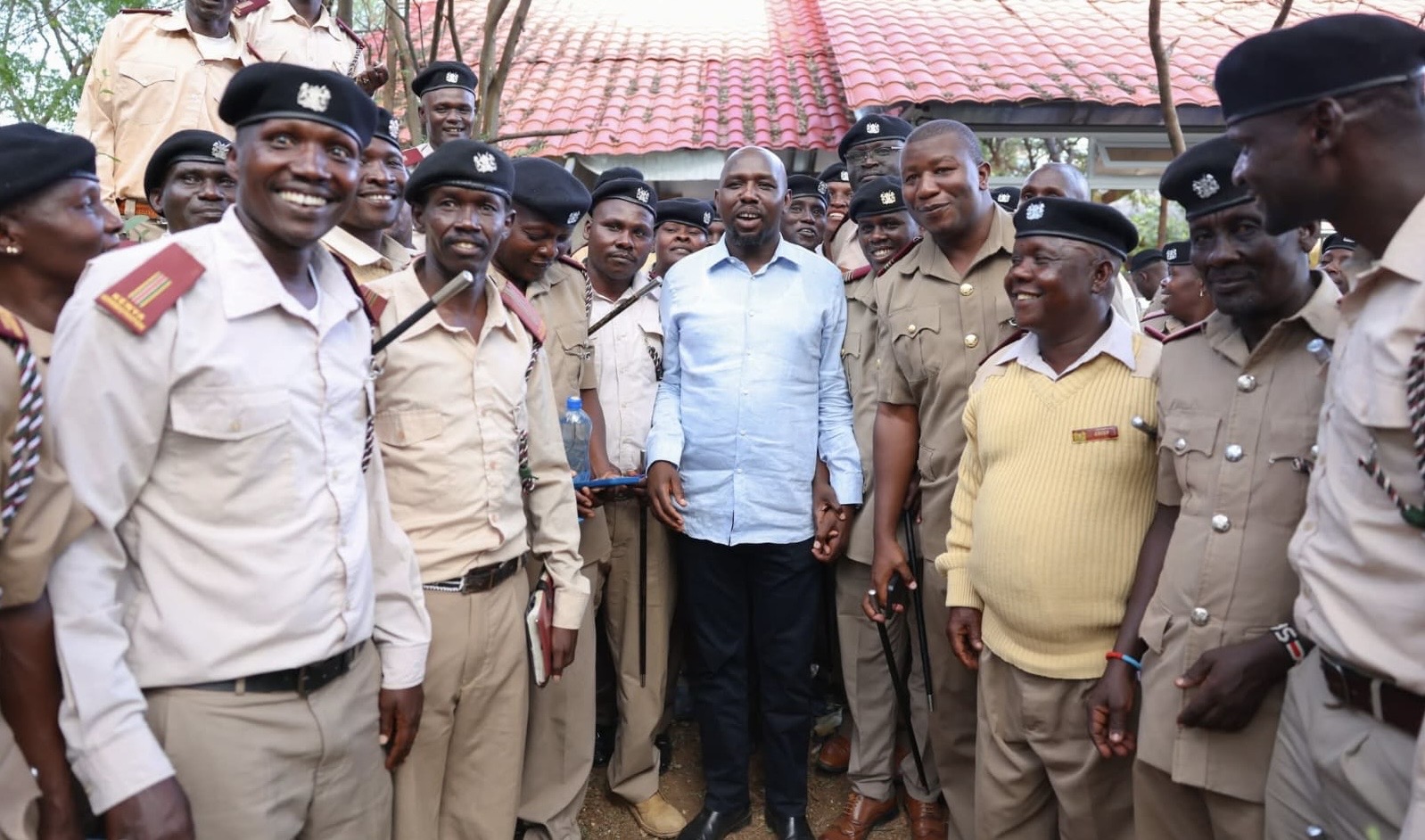
 CS for Interior Kipchumba Murkomen after a recent security meeting with chiefs in Baringo county
KERIO Valley, once widely referred to as the “valley of death” due to years of banditry, is undergoing a notable transformation following renewed security interventions and the resumption of development activities in the region.
Interior Cabinet Secretary Kipchumba Murkomen said the new approach to security has helped reopen the area for community development programmes that had stalled for years.
For decades, residents endured extreme poverty, insecurity, and lack of basic infrastructure, including roads, electricity, hospitals and water, conditions that left communities vulnerable and isolated.
However, the silence of guns across much of Kerio Valley is being linked to a voluntary disarmament exercise in which more than 400 illegal firearms were surrendered to security agencies.
The move has also seen some youth previously involved in banditry abandoning the trade and embracing rehabilitation and alternative livelihoods.
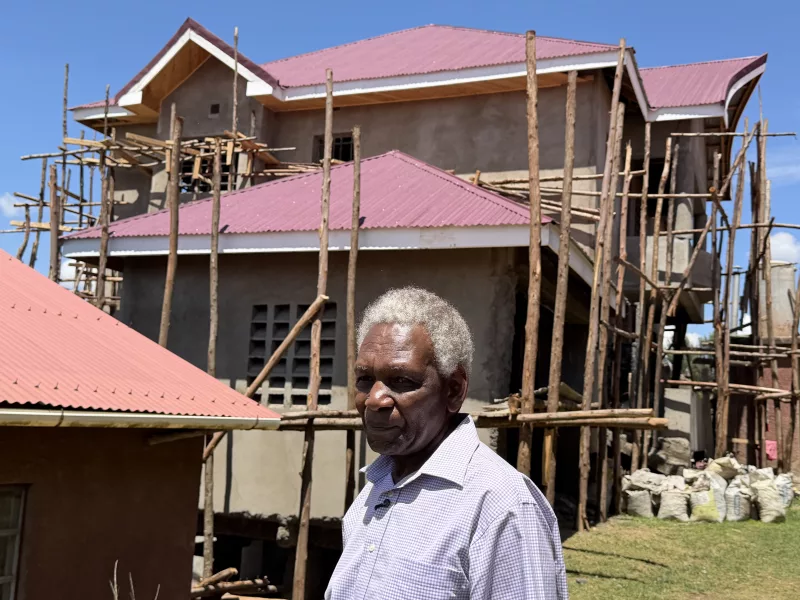
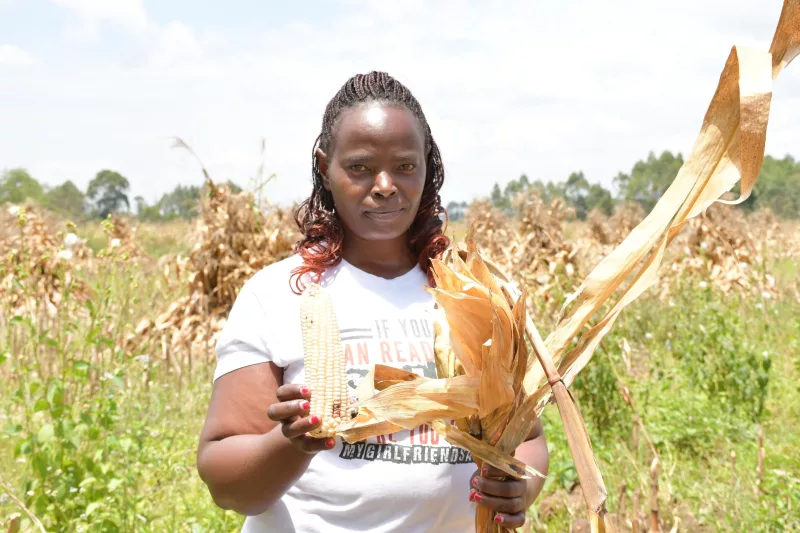
“We lived like birds always on the run dodging bandits. There was no life here,” said resident Paul Yator, who is now a mango farmer in Tot.
He said he now works on his farm with renewed hope after returning home following improved security.
Residents say last December marked a rare festive season of peace, with families able to celebrate Christmas at home without fear of attacks.
Elgeyo Marakwet Governor Wisley Rotich credited the improved security environment for reviving stalled economic and social activities in the region.
He said markets, schools, hospitals and other public projects that had been abandoned are now gradually becoming operational again.
Human rights crusader Paul Boit said the current approach has achieved more success than previous interventions, noting that it is intelligence-led and community-driven.
He said public engagement forums have enabled residents to identify armed criminals and surrender illegal weapons.
The government is also investing more than Sh1.5 billion in rehabilitation of roads and public facilities as part of broader efforts to open up Kerio Valley for development and long-term stability.