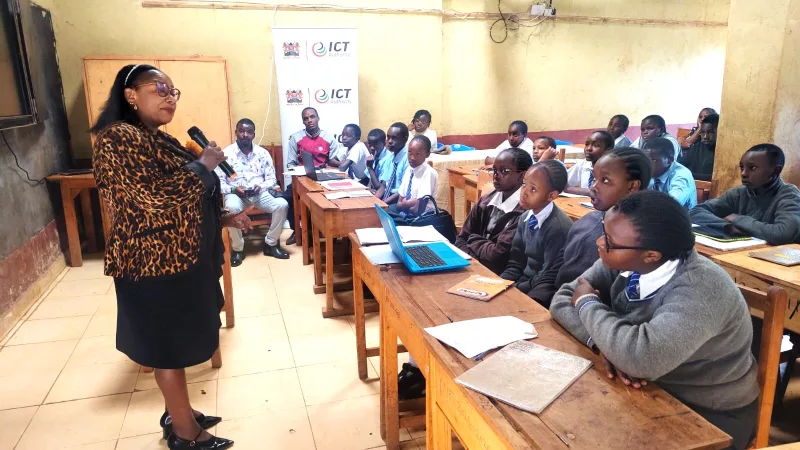
 Former Miss World Kenya Cecilia Mwangi and Ahadi Kenya CEO Stanley Kamau explaining how jiggers work to Prime Cabinet Secretary Musalia Mudavadi in the jigger archive in Murang'a town on May 25, 2026/ ALICE WAITHERA
Peter Okeka still remembers sitting in a classroom during his national examinations with flies circling around his wounded feet.
Whenever the itching became unbearable, he would bend beneath the desk, scratch his swollen toes, then continue writing.
Today, the former jigger survivor is pursuing journalism, determined to tell stories of suffering, resilience and dignity.
“Through journalism, I now want to bring other people’s stories to light just as mine was.”
The 26-year-old journalism student spoke during the launch of the Ahadi Kenya Trust Jigger Archive and Community Resource Centre, an initiative created to preserve memories, lessons and research gathered during nearly two decades of anti-jigger campaigns across Kenya.
For Okeka, the event was a reminder of painful years spent battling an infestation that nearly shattered his education and confidence.
Growing up in Busia county, Okeka developed severe jigger infestations while preparing for his Kenya Certificate of Primary Education (KCPE) examinations in 2014.
 Ahadi Kenya CEO Stanley Kamau displaying preserved jiggers in the jigger archive in Murang'a town/ ALICE WAITHERA
The condition worsened rapidly, making it difficult for him to walk, concentrate in class, or even wear shoes comfortably.
At school, he wrapped pieces of cloth around his feet to shield open wounds from flies while revising for examinations.
Back at home, nights were equally painful. Together with his younger brother, who was also infested, they scratched their feet against the rough wooden edges of their bed to ease the irritation.
The temporary relief often left their skin torn and bleeding. His mother tirelessly removed the parasites using razor blades and disinfectant despite the agony involved in the process.
Okeka said the emotional pain was sometimes heavier than the physical wounds. Many affected children endured ridicule and isolation from classmates and neighbours who associated jiggers with dirt and neglect.
Missing school became common, while some victims lost mobility completely. Despite the circumstances, Okeka remained determined to excel academically and eventually scored 401 marks in his examinations.
His turning point came after teachers visited his home and witnessed the severity of his condition. His head teacher later took him into his own home, bought medication and ensured he received treatment away from the infested environment.
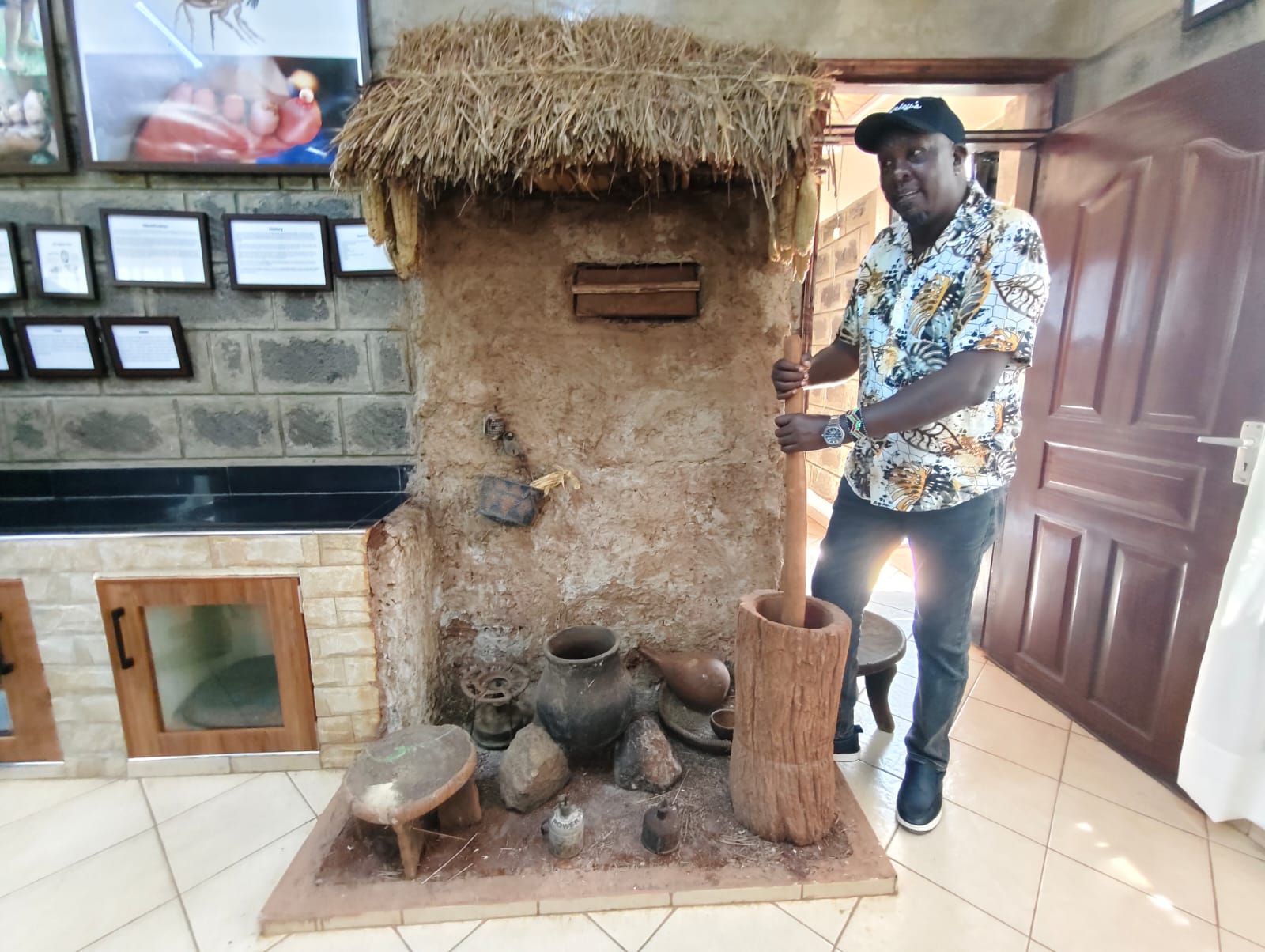 Ahadi Kenya CEO Stanley Kamau showing some of the environments that jiggers thrive in in the jigger archive in Murang'a town /ALICE WAITHERA
“One day you will heal and tell others your story,” his mother constantly reminded him while encouraging him through the painful recovery period.
The suffering, however, remained unforgettable. Okeka recalls stretching his legs toward his mother as she carefully cut through infected skin to remove embedded parasites.
“She would cut my feet as if cutting meat,” he says quietly, describing the painful procedures that left him unable to walk afterward.
Yet those moments also strengthened the bond within his family as they struggled together against poverty and disease.
Help eventually arrived after journalists highlighted his story on national television in 2015. The coverage attracted support from well-wishers, charitable organisations and scholarship sponsors who enabled him to join Mang’u High School.
Years later, he enrolled at the Technical University of Mombasa, where he switched from engineering to journalism after recognising the powerful role media had played in changing his life.
The launch of the archive centre in Murang’a county brought together survivors, government officials, health workers and anti-jigger campaigners reflecting on the country’s progress in reducing infestations.
Former Miss Kenya Cecilia Mwangi, who has championed anti-jigger campaigns since 2005, described the new facility as a living educational space dedicated to preserving history and inspiring solutions.
“Jiggers thrived in silence for too long,” she said during the event.
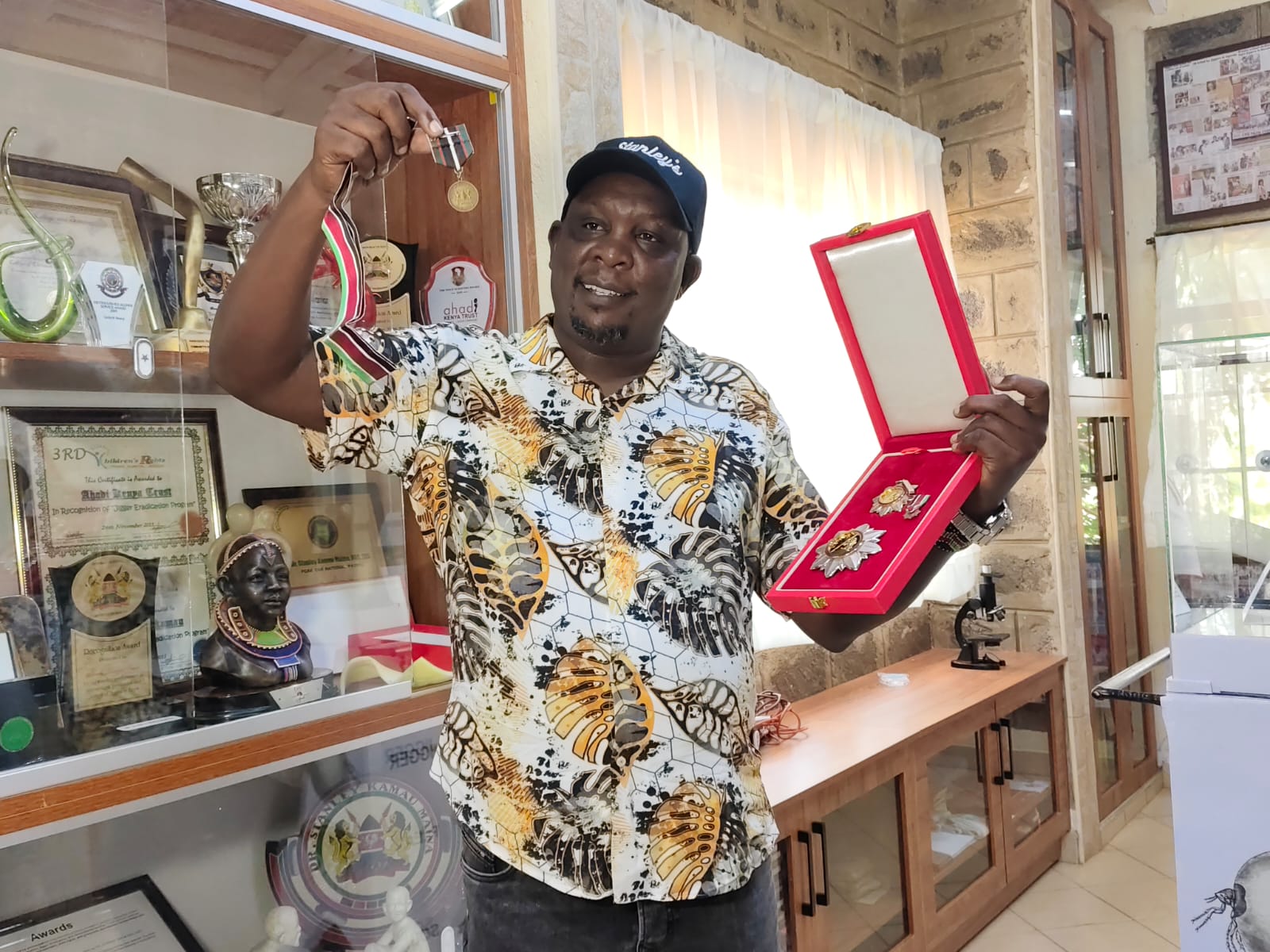 Ahadi Kenya CEO Stanley Kamau displaying some of the accolades he has won over the years due to his anti-jigger campaign in the jigger archive/ ALICE WAITHERA
Prime Cabinet Secretary Musalia Mudavadi said Kenya had transformed what was once considered a neglected rural problem into a national public health priority through partnerships between government agencies, health workers, volunteers and organisations such as Ahadi Kenya Trust.
Community campaigns focusing on hygiene, sanitation and preventive healthcare significantly reduced infestations in highly affected regions.
Ahadi Kenya Trust founder Stanley Kamau said recent surveys indicate dramatic progress since the organisation began its nationwide interventions nearly 20 years ago.
“We have reduced infestations by more than 90 per cent,” Kamau said, adding the archive would help future generations understand the dangers of poverty related diseases and the importance of dignity, sanitation and community participation.
Kamau, who was himself infested by the pests as a child while growing up in Karung'e village in Mathioya fought hard against leaders who denied the existence of the menace to avoid shame.
The campaign started in Murang’a before spreading to other parts of Central, Coast, Eastern, Rift Valley and the Western regions.
His organisation will now focus on fighting poverty, which is a major cause of jigger infestation in many parts of the country.
For Okeka, the archive represents more than preserved photographs, records and testimonies. It stands as proof that suffering can inspire transformation.
As he prepares for a career in journalism, he hopes to continue reporting on forgotten communities whose struggles rarely receive attention.
“No Kenyan child should ever again lose dignity because of jiggers,” he said, expressing optimism that honest storytelling can restore hope, challenge stigma and push leaders toward lasting social change across Kenya
Instant Analysis
The campaign started in Murang’a before spreading to other parts of Central, Coast, Eastern, Rift Valley and the Western regions. Ahadi Kenya Trust will now focus on fighting poverty which is a major cause of jigger infestation in many parts of the country.