But a new scholarly analysis argues that his most transformative legacy may not be found in electoral tallies or coalition agreements, but in the boldness of the country’s press.
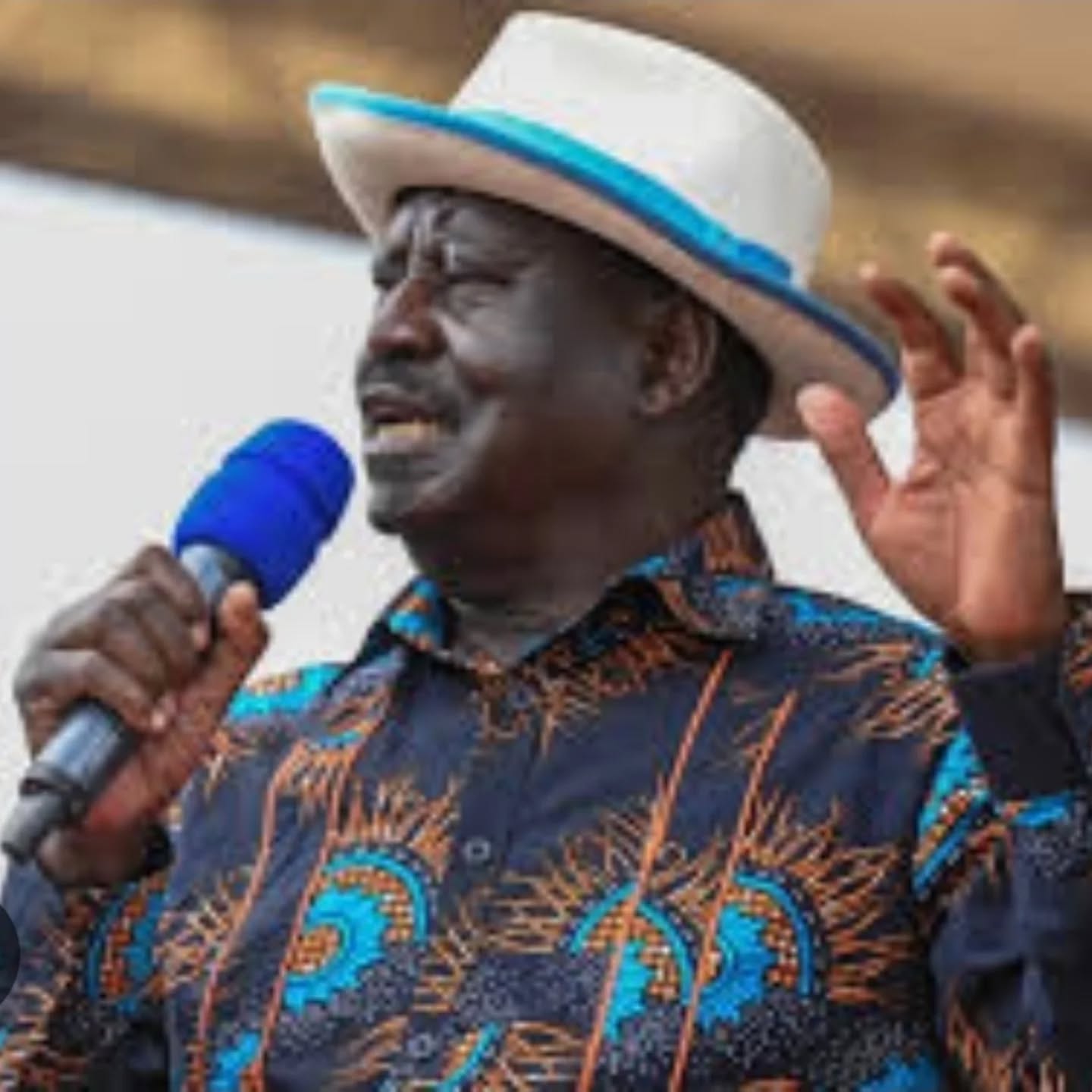
The study, titled 'Raila Odinga's Imprint on the Kenyan Media: A Democratic Journey' by Prof Charles Nyambuga, repositions the veteran opposition leader as a ‘political catalyst’ who fundamentally reshaped how journalism is practised in Kenya.
According to the paper, Raila did not merely generate headlines; he helped create the conditions for a more adversarial, pluralistic and fearless media landscape.
The analysis traces Raila’s influence back to the repressive Moi era of the 1980s, when Kenya operated as a one-party state and state-controlled outlets like the Kenya Broadcasting Corporation functioned as government megaphones.
During the referenced period, Raila’s repeated detentions and public defiance became a focal point for underground journalists.
Clandestine newsletters and sympathetic reporters circulated accounts of his suffering, which, the study argues, helped ‘normalise the idea that the press could serve as a vehicle for democratic contestation’.
By the time multiparty politics was reintroduced in 1991, Raila had already become a symbol of resistance.
His leadership of the Forum for the Restoration of Democracy (Ford) and later the Orange Democratic Movement (ODM) provided a continuous stream of high-stakes political drama.
Newspapers like The Standard and Daily Nation, newly liberated from state-sanctioned narratives, seized on his rallies, legal challenges and parliamentary interventions.
Prof Nyambuga writes that Raila’s prominence "encouraged the adoption of more adversarial reporting practices and reinforced the press's role as a watchdog institution."
Unlike many politicians who view the press as a mere megaphone, Raila cultivated a more sophisticated relationship.
The study details how his campaign teams timed statements, released evidence of electoral irregularities, and staged verifiable events specifically to encourage deep investigative reporting.
During the contested 2007 election and the subsequent crisis, Raila and his allies used media channels to document vote-tampering claims, forcing journalists to adopt forensic reporting styles.
The dynamic, the paper argues, led to the strengthening of specialised beats in corruption, elections and public finance.
"Raila's campaigns consistently emphasised transparency and accountability," the study notes, helping to "normalise the idea that political leaders should be subject to continuous scrutiny."
Perhaps most notably, the study notes how Raila extended his media strategy beyond Nairobi’s elite circles.
It notes how he actively engaged vernacular radio stations and community platforms in regions like Nyanza.
This created feedback loops where local concerns like service delivery, county procurement and local governance were amplified into national debates, broadening the scope of Kenyan journalism beyond the capital.
The study acknowledges the tensions in Raila’s legacy. As Kenya’s media became more polarised, Raila openly accused some journalists of bias and unethical behaviour.
In 2023, he briefly boycotted the Star newspaper, filing a formal complaint with the Media Council of Kenya rather than resorting to punitive legal action.
Yet, the author emphasises that Raila’s restraint was remarkable.
"In a political environment where defamation suits were often deployed to intimidate or financially burden newsrooms, he rarely resorted to litigation."
During moments of political tension, he publicly defended reporters facing harassment, signalling to state agencies that press freedom was "not a negotiable privilege but a fundamental democratic right."
Ultimately, Nyambuga concludes that Raila’s role in championing the 2010 Constitution laid the institutional groundwork for today’s media independence.
"He did not single-handedly transform the press," the study reads, "but his presence helped shape a media culture that is bolder, more diverse, and more willing to challenge authority."
As the country reflects on Raila’s political journey, the study suggests he did not just leave a mark on the ballot box, but on the newsroom.