Kenya is currently navigating one of its most consequential shifts in healthcare: the transition from paper-based registries to Electronic Medical Records (EMR). For decades, the rhythm of Kenyan healthcare was dictated by the Ministry of Health (MoH) registers, notably the MoH 711. Nurses and clinicians spent hours aggregating handwritten tallies into monthly reports for the Kenya Health Information System (KHIS).
But beneath this dedication lies a system at its breaking point. Transcription errors, lost summary forms and damaged registers often mean that by the time data reaches national planners, it is weeks old. The opportunity for real-time disease surveillance remains largely unrealised.
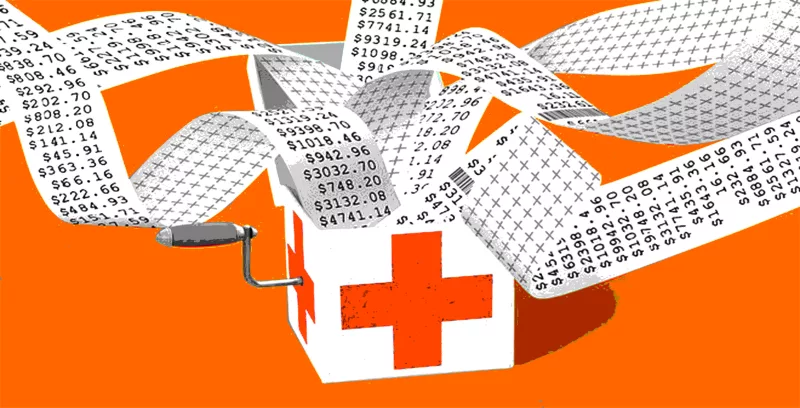
Today, that rhythm is changing. While the shift toward pixels is historic, it is also messy. As we digitise, we must confront a hard truth: moving data from paper to a screen does not automatically improve care. Without deliberate intervention, we risk creating an expensive digital mirror of a broken manual system.
The digital promise and paradox
The government has accelerated EMR adoption with platforms like KenyaEMR, TIBABU and Afya Ke across all 47 counties. The ambition is a seamless, interoperable ecosystem where patient data flows from the point of care to national decision-makers.
Yet, the transition is uneven. While high-tier Nairobi hospitals are nearly paperless, remote dispensaries in Turkana still rely on registers. "Go-live" deadlines are frequently missed, not because of technological failure, but a failure to redesign workflows around human behaviour.
Furthermore, infrastructure remains a major hurdle. A digital system that fails to load is worse than a paper register that can be filled by candlelight. Without stable power and internet, EMRs become "digital decoration".
The 'garbage-in, garbage-out' risk
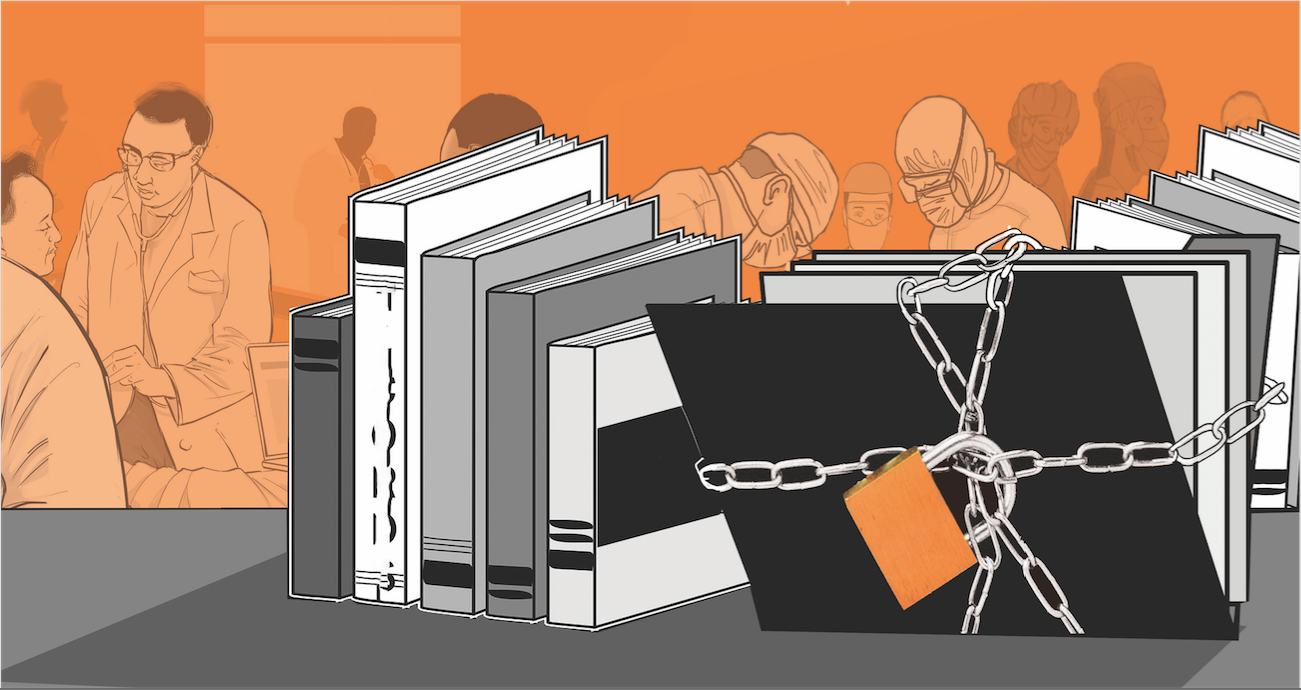
Data quality concerns do not vanish with digitisation; they mutate. An electronic system scales the errors of its users with terrifying efficiency. Without robust validation and training, systems can generate incorrect data with a level of confidence that paper never could.
System fragmentation compounds this. When clinical EMRs do not sync with national aggregate systems (KHIS), healthcare workers are forced into "dual reporting", manually entering the same data twice. This increases the workload on already overstretched staff, leading to burnout and resistance.
Lessons for the road ahead
Kenya is not navigating this in a vacuum. Lessons from the HIV programme and neighbours like Rwanda offer a roadmap:
- Infrastructure First: Investment in solar power and offline-capable software is foundational.
- Co-design: Systems built for health workers, with health workers, achieve the highest adoption.
- Interoperability: Every new application must be mandated to communicate with existing systems to eliminate silos.
Beyond data capture
Digital health is not a technology project; it is a quality-of-care initiative. The ultimate goal is not a filled electronic register, but a child receiving the right vaccine on time or a clinician receiving an alert about a dangerous drug interaction.
To succeed, we must move from a culture of data capture to data use. Systems must provide actionable dashboards for the nurse at the bedside, not just aggregate reports for the county office.
The success of Kenya’s digital transformation will not be measured by the beauty of its dashboards, but by its ability to use real-time evidence to save lives. This requires a fundamental shift in mindset, sustained investment, and a curriculum review for our future health workers to ensure they are ready for a digital-first world.
Monitoring, evaluation and learning adviser at International Centre for Reproductive Health -Kenya (ICRHK)