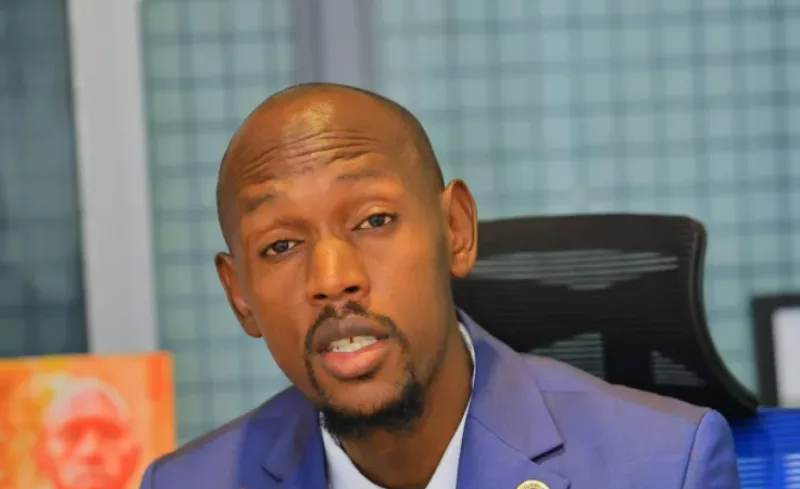
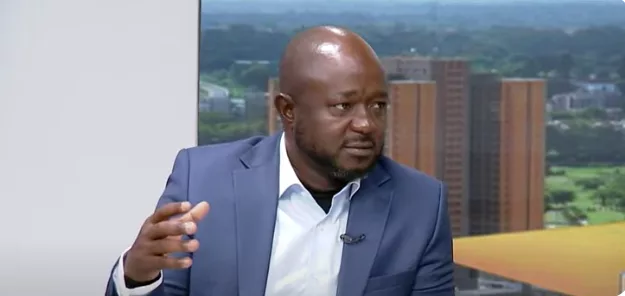
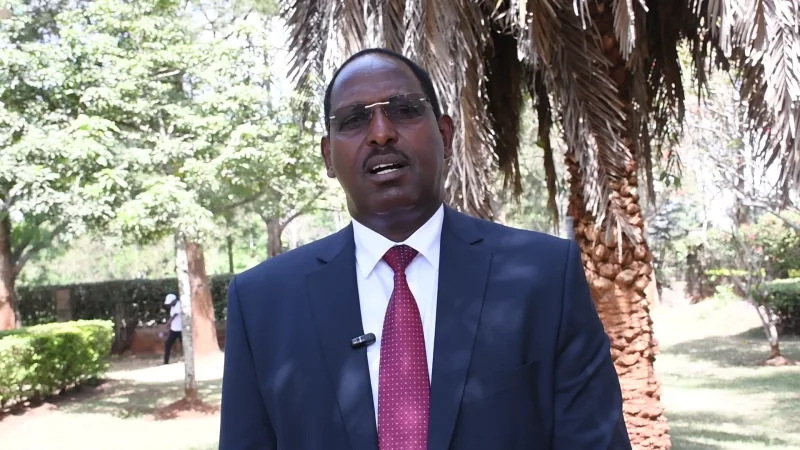
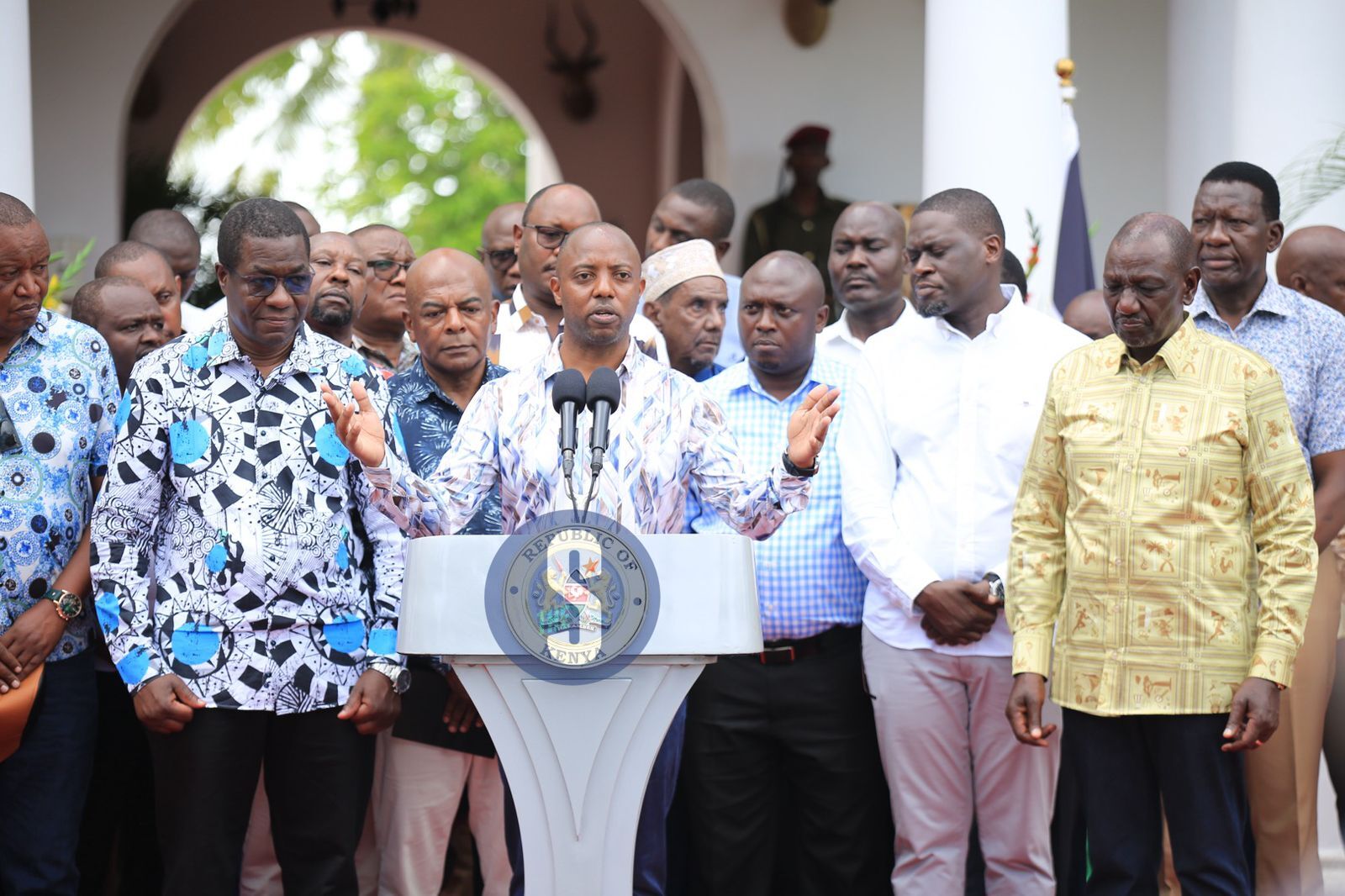
 Federation of Public Transport CEO Kuchien Muchiri speaking when Matatu Owners Association leaders met with President William Ruto at State House Mombasa, May 22, 2026. /JOHN CHESOLI
Transport sector leaders have distanced themselves from the violence and destruction witnessed earlier this week during nationwide fuel protests, insisting the unrest was the work of criminal elements who hijacked an otherwise peaceful industrial action.
Speaking at State House, Mombasa, on Friday, where they formally called off the strike following talks with President William Ruto, sector representatives said their directive had simply been for vehicles to remain off the roads in protest against soaring fuel prices and rising operating costs.
They argued that the chaos that unfolded in several parts of the country was orchestrated by infiltrators whose actions had nothing to do with the objectives of the protest.
The operators apologised to Kenyans for the disruption and destruction witnessed on Monday and Tuesday after the withdrawal of transport services, which largely paralysed movement across the country.
“Ours, we said vehicles stay at home, but we realised goons infiltrated and maybe political interests came in and people lost their vehicles, schools were vandalised and other institutions,” said Federation of Public Transport CEO Kuchien Muchiri.
The protests were triggered by a sharp increase in fuel prices announced by the Energy and Petroleum Regulatory Authority (EPRA) on May 14.
The review increased the price of Super Petrol by Sh16.65 per litre and Diesel by Sh46.29 per litre, pushing pump prices in Nairobi to Sh214.25 and Sh242.92 respectively.
The increases sparked outrage among transport operators, motorists and businesses, culminating in a nationwide strike organised by the Transport Sector Alliance.
The alliance brought together matatu operators, cargo transporters, online taxi drivers, motorcycle riders and other players in the transport industry.
For two days, thousands of commuters were forced to walk long distances to work as matatus and other transport services remained off the roads.
In areas where a few vehicles continued operating, passengers were forced to pay significantly higher fares.
What began as a largely peaceful protest, however, degenerated into violence in several towns and cities.
Protesters erected burning barricades on major roads, attacked motorists and damaged property as running battles with police were reported in some areas.
Police later reported that at least four people were killed, dozens injured, and hundreds arrested in connection with the unrest.
The economic toll was equally significant. Businesses remained closed in many urban centres while shops, kiosks, market stalls and warehouses were looted or vandalised.
The Matatu Owners Association (MOA) estimated losses and property damage exceeding Sh500 million, with vehicles, businesses and public infrastructure among the casualties.
“That was not us, and that's why we saw it best to go for negotiations and, as a result of the negotiations, His Excellency has been kind enough to give us what we have been crying for since independence — the review of insurance,” Muchiri said.
The remarks came after lengthy consultations between President Ruto and transport sector leaders on Thursday.
Among the key resolutions was a directive to review the Insurance Act and related transport laws in a bid to create a fairer and more responsive insurance framework for public transport operators.
For years, operators have complained that insurance companies collect premiums faithfully but are often reluctant to honour claims when accidents or losses occur.
The President also directed the Ministry of Transport to engage banks and other financial institutions to develop a relief framework for operators struggling to service vehicle loans amid rising fuel costs and shrinking profit margins.
Transport operators told the President that aggressive loan recovery measures, including vehicle repossessions, had pushed some owners into severe financial distress.
“Everybody who has a vehicle knows what's happening to us. We've lost more than enough. People have died because of stress and pressure. We are thankful because we've moved a step as an industry,” Muchiri said.
Other commitments made during the talks include allowing matatus to continue carrying graffiti artwork, exempting buses from weighbridge charges and permitting 14-seater matatus to operate within the Mombasa central business district.
“There are so many things that we discussed. We have been given the Transport CS to go and complete all the other pending issues,” Muchiri said.
The government also pledged to reduce diesel prices by a further Sh10 per litre during the June-July fuel price review, building on an earlier Sh10.06 reduction announced during negotiations earlier this week.
In return, transport operators formally called off the strike they had suspended for seven days to allow dialogue with the government.
“Ours is to say that we go to work and we hope that by the next cycle, we'll get even better than the Sh10,” Muchiri said.