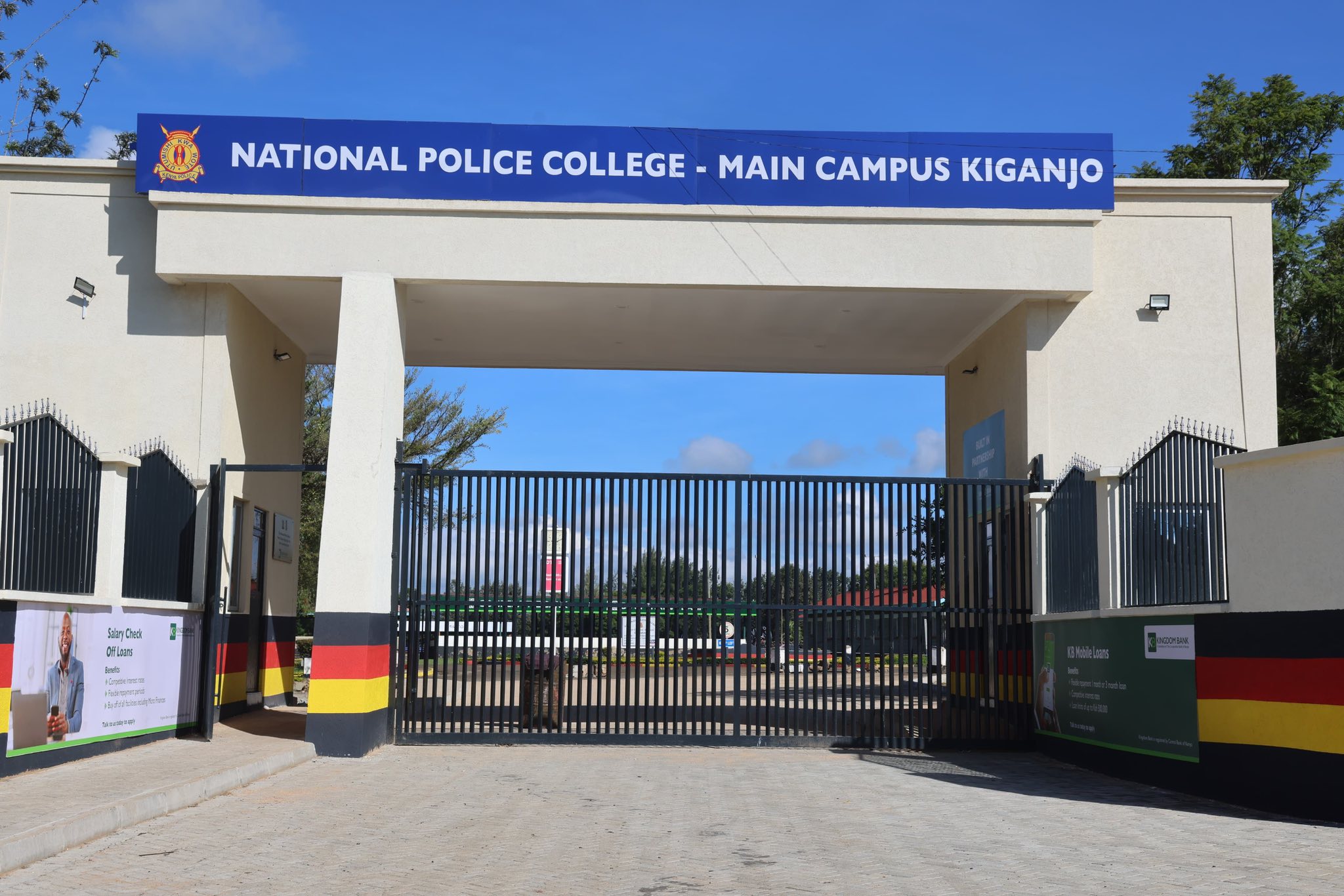
A petition has been filed at the Employment and Labor Relations Court challenging the dismissal of 18 pregnant police recruits from the National Police College Main Campus in Kiganjo.
The petitioners, Peter Agoro and John Wangai, argue that the move was unconstitutional, discriminatory and unlawful.
The case, filed against the Inspector General (IG)of the National Police Service, the National Police Service Commission (NPSC), and the Attorney General (AG), seeks the reinstatement of the affected recruits and the development of a lawful policy framework on pregnancy during police recruitment and training.
According to court documents, the affected women were among about 10,000 police constables recruited in November 2025 following a nationwide competitive recruitment exercise.
"The affected female recruits were among those who successfully passed all stages of the competitive recruitment process and were issued formal appointment letters, thereby creating a legitimate expectation and contractual relationship between themselves and the Respondents," the petition states.
It adds that they reported to Kiganjo in Nyeri county to begin basic recruit training.
However, upon reporting to the training college, all female recruits were subjected to mandatory pregnancy tests, with 18 found to be pregnant, the duo state in their filings.
They allege that the recruits were dismissed solely because of pregnancy, despite the respondents publicly acknowledging that all the women were already pregnant before joining the college and did not conceive during training.
The suit notes that the Commandant of the National Police College confirmed on May 7, 2026, during an inspection visit by the Interior Cabinet Secretary, that 54 recruits had been dismissed from training for various reasons, including forged academic certificates and disciplinary violations, with 18 dismissed on grounds linked to pregnancy.
Agoro and Wangai contend that, unlike other dismissals tied to criminal records, fake documents, or misconduct, the removal of the pregnant recruits lacked a clear legal basis.
"There exists no specific legal provision, regulation or publicly gazetted policy that expressly provides for the automatic dismissal of a female police recruit solely on the basis of pregnancy," they argue.
The petition further claims that the move amounts to direct and indirect gender discrimination because pregnancy is a condition unique to women, yet no equivalent standard has been applied to male recruits in similar medical or physiological situations.
The suit also cites concerns raised by the National Gender and Equality Commission, which questioned whether the state had a lawful, proportionate, humane, and non-discriminatory framework for handling pregnancy during police training.
According to the petitioners, the respondents failed to consider less drastic alternatives such as deferment of training, temporary leave, or reintegration into future training intakes.
The petition further argues that the dismissals violated the recruits’ constitutional rights to equality, human dignity, reproductive healthcare, fair labour practices, and fair administrative action.
They are now seeking a series of court declarations, among them that their rights have been violated.
"A declaration that the failure by the Respondents to establish a clear, lawful, proportionate and non-discriminatory policy framework for handling pregnancy during police recruitment and training is in contravention of the Constitution," the petition says.
They are also asking the court to compel the NPS and the NPSC to reinstate the recruits in the next available training intake after childbirth and postpartum recovery without penalty or loss of benefits.
Additionally, the petition seeks orders directing those sued to formulate and gazette a comprehensive policy governing pregnancy during police recruitment and training.