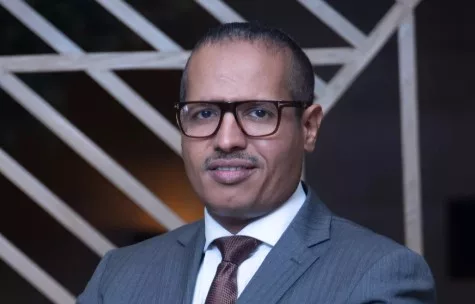
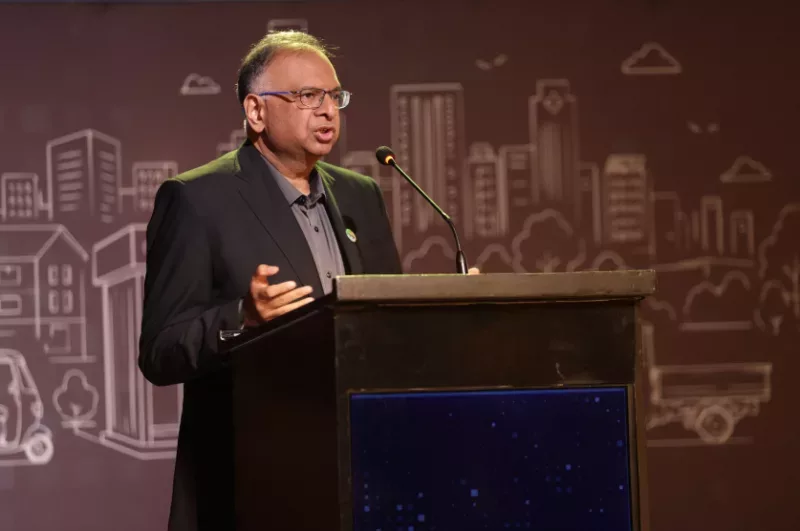
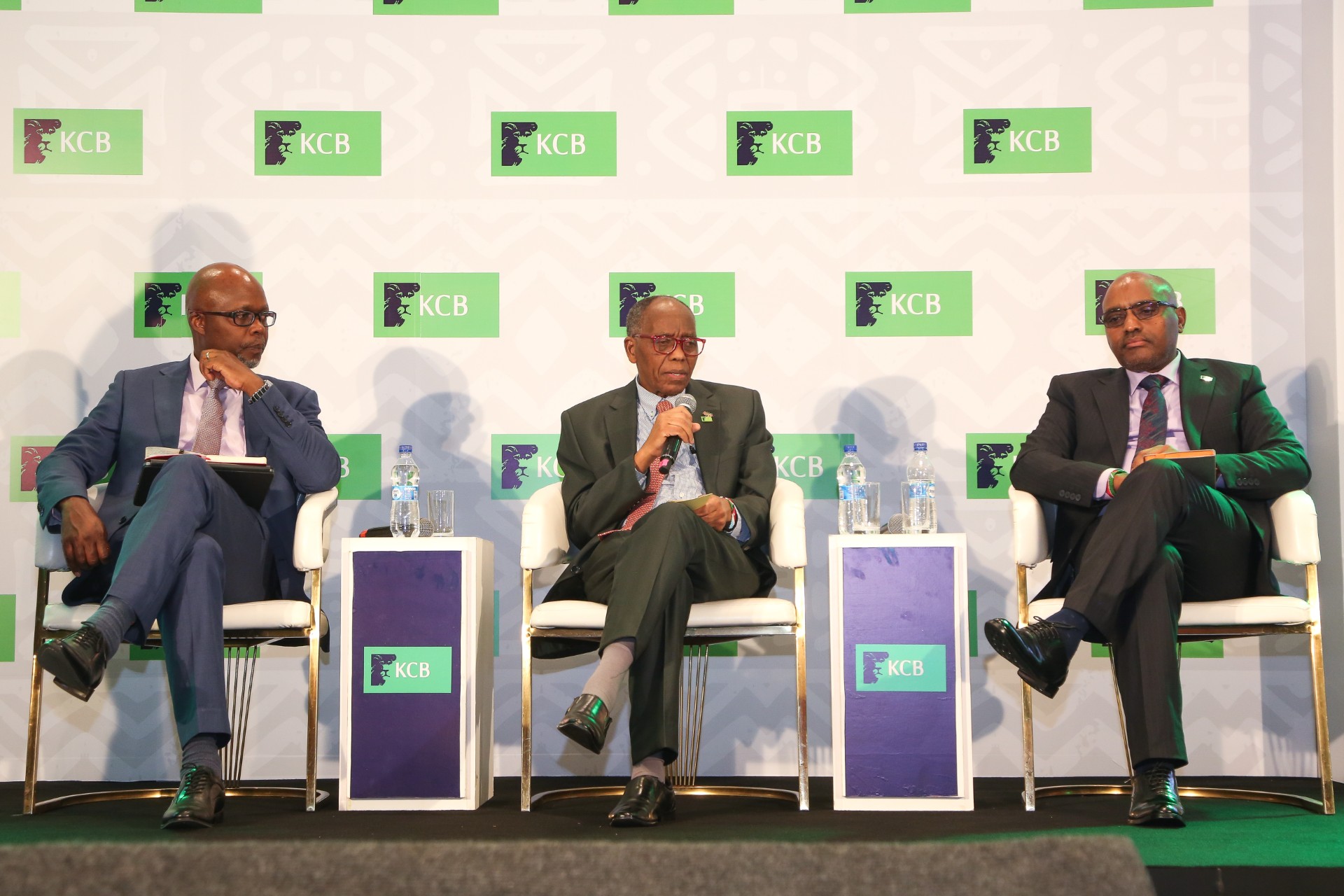
 Group Finance Director Lawrence Kimathi, Group CEO Paul Russo and Group Chairman FCS Joseph Kinyua
KCB Group posted resilient first-quarter results, with higher earnings and customer deposits helping cushion the lender against lower lending margins and regional economic pressures.
The biggest lender in East and Central Africa in terms of assets posted a 15.3 per cent rise in gross earnings to Sh24.4 billion in the first three months of 2026, underscoring the resilience of the lender’s diversified regional business model amid a challenging operating environment.
The bank’s net profit rose marginally to Sh16.54 billion from Sh16.48 billion recorded in the same period last year.
Read Also
The performance was supported by an 8.5 per cent growth in total operating income to Sh53.6 billion, driven largely by expansion in interest-earning assets despite pressure on lending margins following sustained interest rate cuts across East African markets.
KCB said lower benchmark rates by regional regulators reduced asset yields across all its markets during the review period.
The Group’s balance sheet expanded by 10.8 per cent to Sh2.3 trillion, supported by increased customer activity across key business segments and strong growth in deposits.
Customer deposits rose by 16 per cent to Sh1.7 trillion, reflecting continued onboarding of retail and corporate customers across the region.
The gross loan book increased to Sh1.32 trillion from Sh1.21 trillion a year earlier.
Excluding the impact of National Bank of Kenya (NBK), which KCB divested from in May 2025, the lender said pre-tax profit and operating income grew by 17 per cent and 16 per cent, respectively.
Regional subsidiaries continued to strengthen the Group’s earnings contribution, accounting for 29.5 per cent of total profit before tax and 31.5 per cent of the balance sheet.
The Group’s non-banking subsidiaries also remained profitable, with KCB Bancassurance Intermediary posting Sh209 million in profit before tax, KCB Investment Bank reporting Sh274 million, while KCB Asset Management contributed Sh64 million.
KCB Group managing director and chief executive Paul Russo said the lender delivered solid growth through disciplined execution, investment in digital innovation and continued support to businesses and households across the region.
He said the Group continued to optimise its regional footprint to improve efficiency and create long-term shareholder value.
Russo, however, warned that the ongoing Middle East conflict could weigh on regional economies through weaker credit demand, rising credit risks, lower remittance inflows and pressure on deposits.
Total operating costs rose 7.3 per cent to Sh24.3 billion, driven by higher staff costs, technology investments, and business expansion expenses.
Non-funded income grew 8.3 per cent to Sh17 billion, supported by increased digital loan disbursements and higher foreign exchange income as the bank financed trade and working capital needs.
KCB also reported improved asset quality across its subsidiaries, with the non-performing loan ratio declining to 16.6 per cent from 19.3 per cent a year earlier.
The stock of non-performing loans fell to Sh217.8 billion from Sh233.3 billion, helped by aggressive recovery efforts and a 9.1 per cent expansion in the loan book.
The lender nevertheless maintained cautious provisioning, setting aside Sh4.9 billion to cover potential loan losses amid prevailing economic risks.
Shareholder returns also improved during the quarter, with return on equity standing at 21.5 per cent.
Total shareholder equity grew 18.5 per cent to Sh352.2 billion, while earnings per share rose to Sh22.18 from Sh20.03.
The Group maintained strong capital and liquidity positions, with all subsidiaries remaining compliant with local regulatory requirements.
Core capital to risk-weighted assets stood at 18.2 per cent against the statutory minimum of 10.5 per cent, while total capital adequacy was at 21.6 per cent compared to the required 14.5 per cent.
Liquidity remained strong at 51.1 per cent, giving the lender flexibility to respond to market risks and pursue growth opportunities.
KCB Group Chairman Joseph Kinyua said the strong start to the year reflected the effectiveness of the bank’s long-term strategy and the resilience of its regional businesses.
Kinyua said the Group remained confident in its ability to navigate changing market conditions while supporting regional trade, economic growth and financial inclusion.
He cautioned, however, that the Middle East conflict remains a major risk to global growth due to its impact on commodity prices, inflation and global financial conditions.