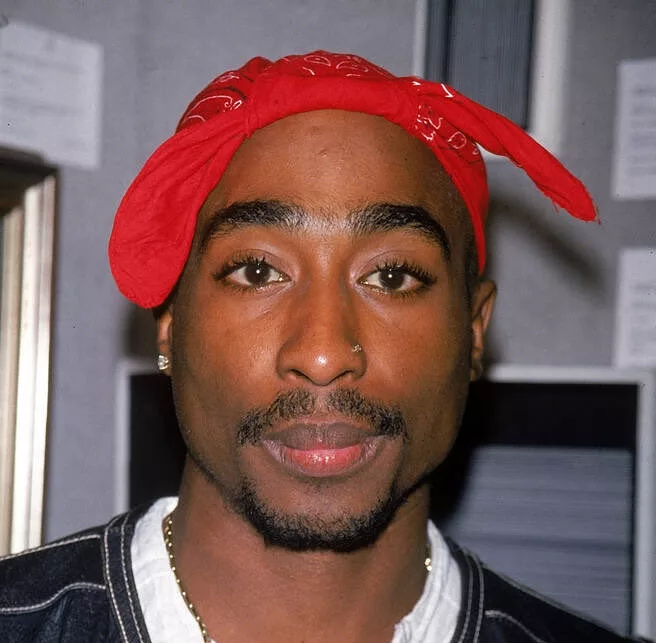
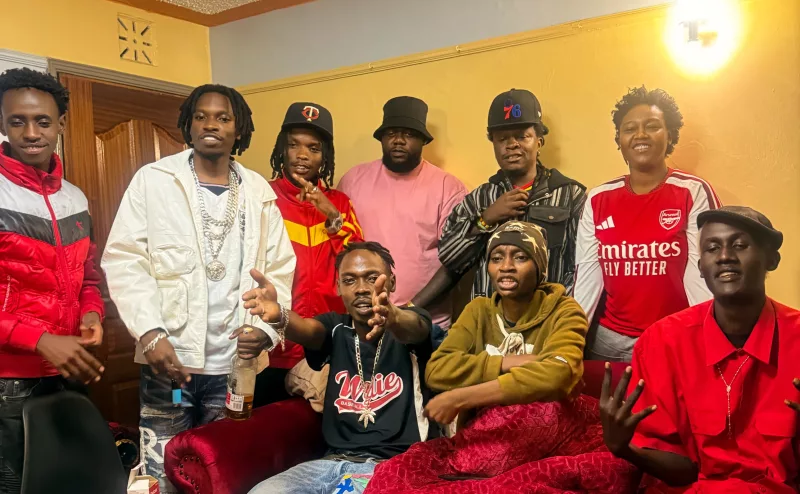
Kenyan social media personality Gen Z Baddie has reignited online conversations after revisiting an old tweet by the late businessman Jacob Juma that warned Kenyans about rising fuel prices and the cost of living.
The influencer shared the resurfaced post on social media before reacting with the words: “We killed the messenger.”
Her statement quickly spread online as many Kenyans compared the businessman’s 2016 concerns to the country’s current economic struggles, especially the continued rise in fuel prices and transport costs.
Read Also
Old Warning Sparks Fresh Debate
In the resurfaced tweet, Jacob Juma criticised the government over fuel prices and warned that ordinary Kenyans would eventually suffer from increasing taxation and the high cost of living.

The online debate comes at a time when Kenyans continue to feel pressure from rising prices of fuel, food and transport.
According to recent reviews by the Energy and Petroleum Regulatory Authority (EPRA), fuel prices in Kenya have remained a major public concern due to the effect they have on the prices of basic commodities and public transport.
Social Media Reactions
Gen Z Baddie’s reaction triggered thousands of comments across TikTok, X and Facebook, with many users claiming the late businessman had “foreseen” the country’s economic challenges years earlier.

“Sometimes people speak the truth too early and society only understands later,” one user commented online.
Another user wrote:
“The fuel issue Jacob Juma talked about years ago is what Kenyans are crying about today.”
Jacob Juma’s Legacy Online
Jacob Juma was widely known for his outspoken political views and frequent criticism of government policies during the Jubilee administration.
Before his death, he often used social media to discuss corruption, governance and economic issues affecting ordinary citizens.
The businessman was shot dead in Nairobi on May 5, 2016, in a case that shocked the country and sparked widespread speculation due to his vocal political stance.
Nearly a decade later, many of his old social media posts continue to resurface online whenever national debates on governance, taxation and the cost of living emerge.