Senators have criticised SHA over delayed reimbursements, rejected claims, persistent system failures and what they described as widening inequality in access to healthcare under the scheme.
The concerns emerged when lawmakers questioned Social Health Authority officials over mounting complaints from hospitals struggling with cash flow challenges due to delayed and partially settled claims.
This is despite government assurances that the new system would streamline healthcare financing and eliminate inefficiencies that plagued the defunct National Health Insurance Fund.
At the centre of the concerns was the authority’s claim settlement rate, which senators argued does not reflect the realities facing public hospitals across the country.
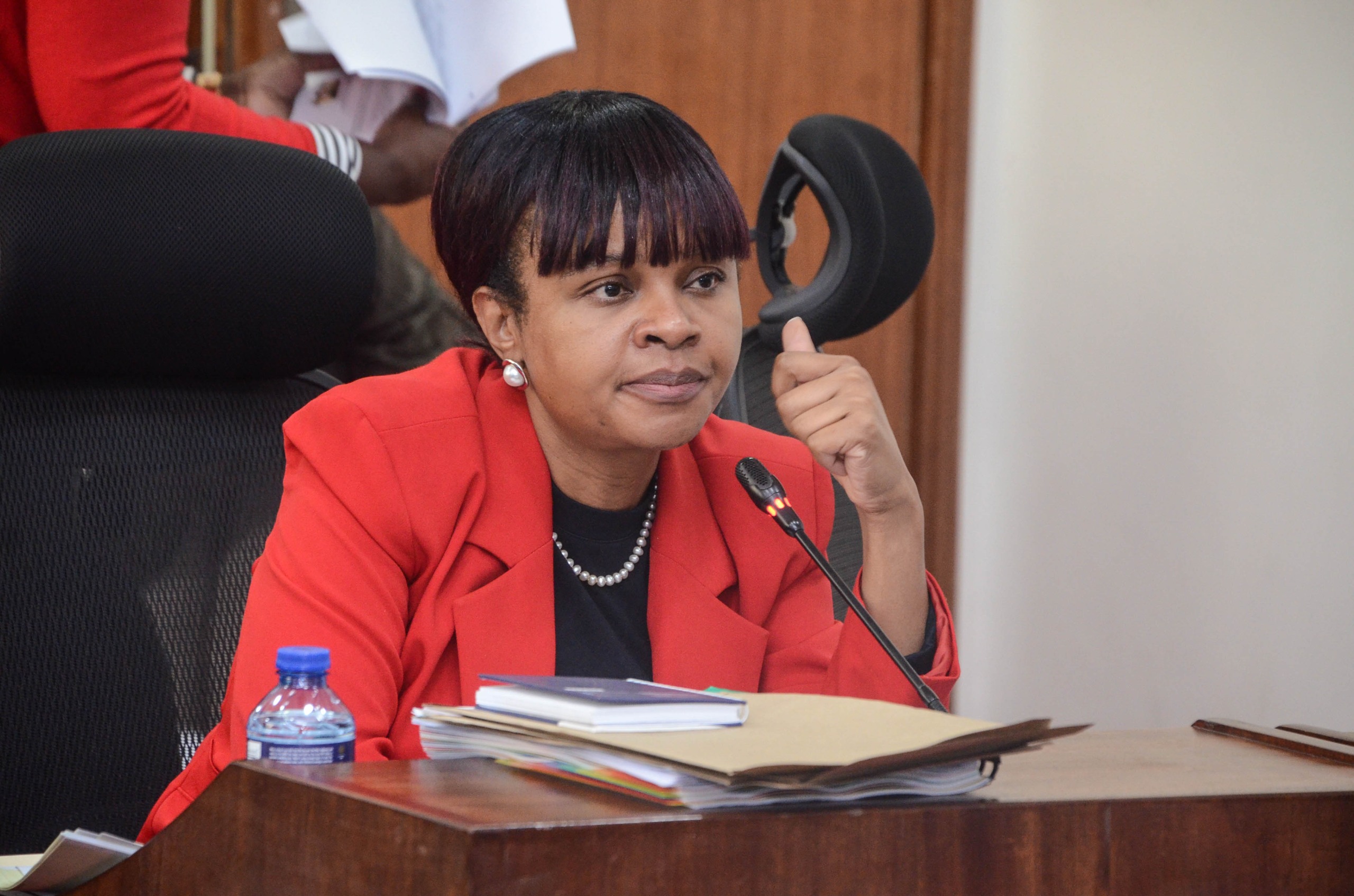
SHA chief executive Dr Mercy Mwangangi told the Senate Health Committee that the authority had achieved a national claim settlement rate of 79 per cent.
So far, SHA has disbursed Sh139.5 billion across various health financing schemes under the new framework.
According to Mwangangi, the payments include Sh110.8 billion under the Social Health Insurance Fund, Sh19.2 billion under the Primary Healthcare Fund, Sh7.26 billion under the Public Officers Medical Scheme Fund and Sh2.17 billion under the Emergency, Chronic and Critical Illness Fund.
However, senators dismissed the figures as misleading, insisting that public hospitals continue to experience severe financial strain and delayed payments that have crippled service delivery.
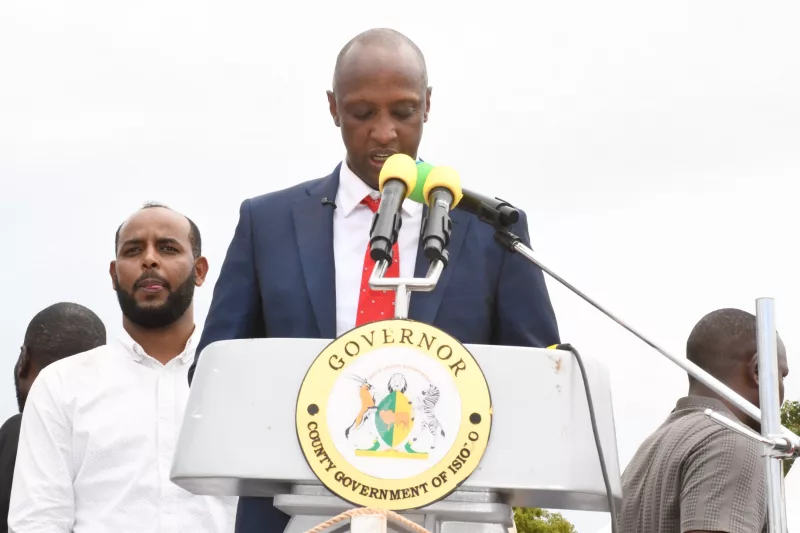
“That formula is so skewed. You talk of a settlement rate of 79 per cent, yet when we visited counties across the country, the actual rate is closer to 20 per cent. County facilities are struggling and cannot meet their obligations,” Jackson Mandago, who chaired the committee session, said.
The committee heard that hospitals are under increasing pressure due to delayed reimbursements, forcing some facilities to accumulate debts owed to suppliers and delay procurement of essential medicines.
In some cases, hospitals have been forced to demand cash payments from patients despite their registration under SHA.
Senators also raised concerns over large volumes of rejected claims that have left healthcare facilities exposed after treating patients under the scheme.
Documents presented to the Senate show that hospitals and clinics submitted claims amounting to Sh181.9 billion as of April 30, 2026.
Of these, Sh16.03 billion was rejected, while another Sh31 billion remains under review.
Lawmakers warned that the rejected claims could plunge already struggling public hospitals into deeper financial distress, potentially affecting service delivery in counties.
A key point of contention was the rejection of claims linked to pre-authorised medical procedures.
Senators questioned why hospitals were being denied reimbursement after receiving prior approval from SHA to proceed with treatment.
Mwangangi defended the process, stating that pre-authorisation does not automatically guarantee payment.
“A pre-authorisation is not equal to an approved claim. It means proceed with the procedure and later submit supporting documentation for reimbursement,” she said.
However, senators rejected that explanation, arguing that hospitals should not be penalised after acting on official approval from the authority.
“So under what circumstances do you reject a claim after pre-authorising the same procedure? This is happening mostly in public facilities,” Mandago asked.
The committee further accused SHA of entrenching inequality in healthcare access through the introduction of enhanced insurance packages for select groups, including police officers, teachers and other state employees.
Senators said their oversight visits revealed that some public hospitals had established separate treatment wings for patients under enhanced cover, with better staffing levels, more consistent drug supplies and faster services compared to ordinary SHA contributors.
“We introduced SHA to eliminate classism in healthcare. If people want enhanced cover, they should seek private providers,” Mandago said.
Ledama Olekina also criticised the system, accusing the government of undermining universal healthcare principles.
“The truth is SHA is not working. I have personally taken people to hospitals and seen the frustrations. If we are enhancing cover, it should be for all Kenyans, not select groups,” he said.
Senators further raised alarm over frequent SHA system outages that have disrupted hospital operations nationwide.
They said some facilities reported system downtimes that prevent patient verification, claims processing and even admissions.
Lawmakers warned that such disruptions are putting patients’ lives at risk and eroding trust in the new healthcare system.
While acknowledging the technical challenges, Mwangangi said SHA was working to stabilise the system and improve service delivery.
The committee also questioned persistent medicine shortages in public hospitals despite billions of shillings being disbursed under the Primary Healthcare Fund.
Senators noted that patients are increasingly being referred to private pharmacies outside public hospitals to purchase drugs that should be available within the facilities.
They raised concerns about the role of the Kenya Medical Supplies Authority and whether counties are properly utilising funds allocated under SHA.
Mwangangi attributed some of the challenges to county governments, alleging that some devolved units divert health funds to other uses.
“We have disbursed about Sh19.5 billion for primary healthcare and more than 67 per cent has gone to county facilities,” she said.
“However, we receive reports that some counties sweep these funds into other projects instead of retaining them within facilities.”
Mwangangi urged lawmakers to support enforcement of laws allowing hospitals to retain revenue collected under the Facility Improvement Fund.
“If the money is not retained at facility level, even if SHA pays billions, Kenyans will still walk into hospitals and find no medicine,” she said.
Tabitha Mutinda also questioned the sustainability of the scheme, noting that while more than 30 million Kenyans are registered under SHA, only about six million are active contributors.
“This means a few Kenyans are carrying a huge burden for the rest. The sustainability of the fund is at stake,” she warned.
Launched in October 2024 to replace NHIF, SHA was presented by President William Ruto’s administration as a transformative solution to longstanding inefficiencies in Kenya’s healthcare financing system.
However, less than two years later, the authority continues to face criticism over delayed reimbursements, rejected claims, system instability and emerging disparities in access to healthcare services.
Auditor General reports on the transition from NHIF to SHA have also flagged concerns over procurement processes, data migration, accountability structures and the long-term sustainability of the model.