Kenya is accelerating a major shift in infrastructure financing, turning increasingly to private capital as fiscal pressures and rising development needs reshape how large-scale projects are funded and delivered across the economy.
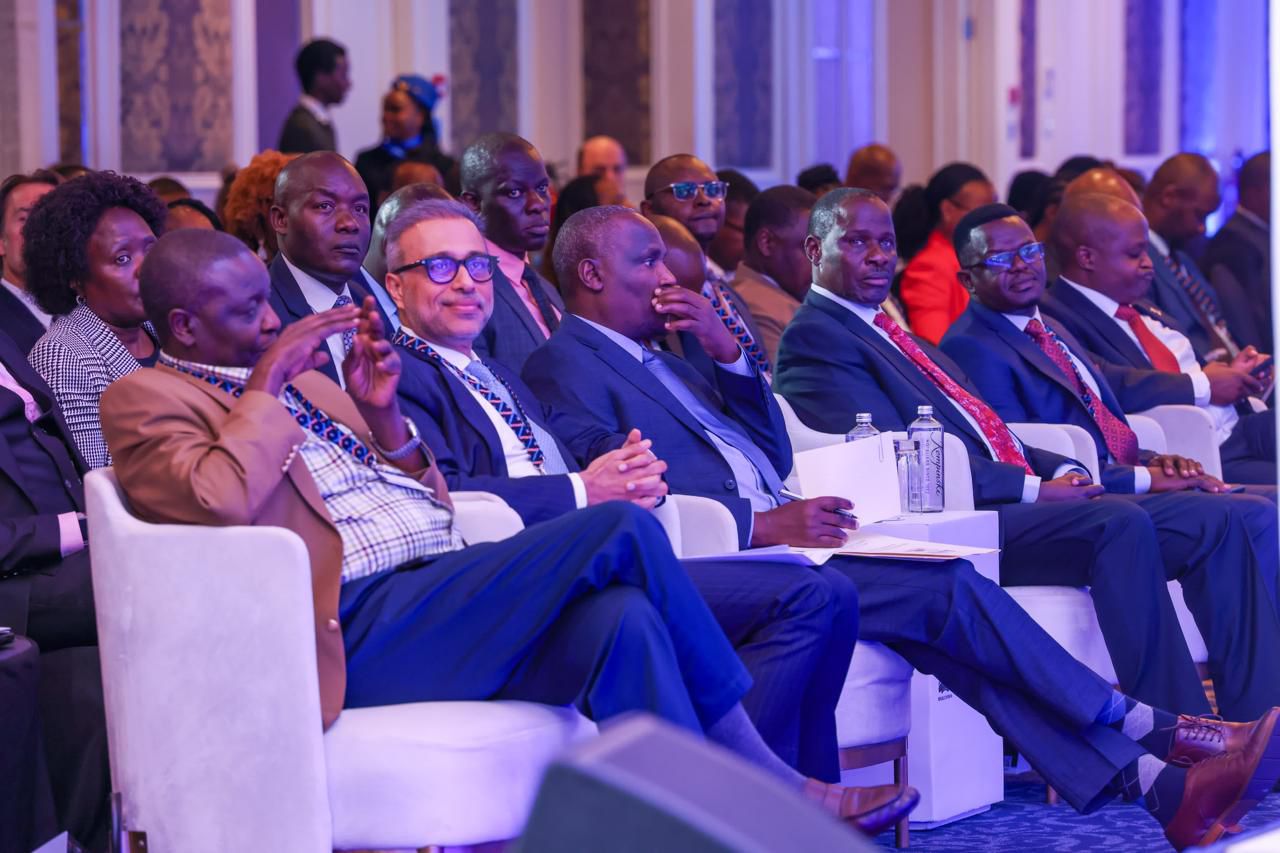
The evolving strategy took centre stage at the Kenya PPP Symposium 2026 in Nairobi, where government officials, global financiers, sovereign wealth funds, development finance institutions, pension funds, and private investors convened to assess Kenya’s expanding pipeline of Public Private Partnership (PPP) projects now valued at approximately Sh1.7 trillion.
The push reflects a broader global trend in which governments are leaning on private sector participation to bridge widening infrastructure financing gaps amid constrained budgets, rising debt obligations, and expanding urban and industrial demands.
“Rising debt servicing obligations, constrained fiscal space, expanding urban populations, and growing development demands are steadily intensifying pressure on national exchequers,” the symposium heard in presentations framing the global shift toward PPP-led infrastructure delivery.
Opening the forum, Cabinet Secretary for the National Treasury and Economic Planning John Mbadi acknowledged the fiscal constraints facing the government, noting that Kenya’s revenue base is increasingly stretched by statutory obligations and recurrent expenditure demands.
“We collect approximately Sh3.6 trillion annually in taxes, yet recurrent expenditure, salaries, county allocations, and statutory obligations consume amounts far beyond that,” Mbadi said, underscoring the urgency of expanding alternative financing models such as PPPs and the National Infrastructure Fund.
He said the government is repositioning PPPs as a central pillar of infrastructure development, particularly in transport, energy, water systems, housing, and digital infrastructure, where capital requirements have outpaced traditional public financing capacity.
The symposium, supported by the World Bank Group, marked a significant evolution in Kenya’s PPP agenda, shifting focus from institutional framework development to active engagement with global infrastructure capital and transaction partners.
According to officials, Kenya currently has 51 PPP projects in its national pipeline, with 10 already under implementation and 41 at various stages of preparation, procurement, or financial closure.
The projects span highways, renewable energy, logistics corridors, ICT infrastructure, affordable housing, student accommodation, water systems, and industrial development zones.
Principal Secretary for Public Investments and Asset Management Cyrell Wagunda Odede said Kenya’s PPP model is increasingly anchored on investor confidence, regulatory stability, and credible project preparation systems.
“Private capital responds to credible risk assessment, transparent de risking frameworks, and commercially structured projects,” Odede said, adding that Kenya is refining its procurement and contractual systems to attract long-term institutional investors.
The government’s PPP Directorate, led by Director General Kefa Seda, is overseeing the structuring of projects to improve bankability, risk allocation, and financial viability.
Seda said fiscal constraints have made PPPs indispensable in accelerating infrastructure delivery.
“Shrinking fiscal space continues to reinforce the strategic importance of the PPP route in sustaining infrastructure financing, accelerating delivery capacity, and expanding private sector participation,” he said.
He added that the focus is now on strengthening transaction credibility, standardising contracts, and improving project preparation to align with global investor expectations.
A key theme throughout the symposium was the need to enhance Kenya’s investment attractiveness through predictable regulation, transparent procurement systems, and enforceable legal frameworks. Investors emphasized that infrastructure capital flows toward jurisdictions that demonstrate policy stability and risk clarity.
KenInvest Chief Executive Officer John Mwendwa said the government is working closely with investors to reduce bureaucratic barriers and improve ease of doing business.
“We are partnering with investors and the private sector to ensure life becomes easier when it comes to road and government processes,” Mwendwa said.
The symposium also highlighted flagship PPP-linked projects, including the Menengai Geothermal Project, which is contributing to Kenya’s renewable energy expansion, and the Galana Kulalu Food Security Project, designed to enhance irrigation and agricultural productivity.
Development finance institutions and private investors reiterated the importance of structured risk-sharing mechanisms, long-term contractual certainty, and strong governance frameworks to sustain capital inflows into infrastructure.
Participants noted that Kenya’s PPP expansion is not only a financing strategy but also a structural shift toward commercially driven infrastructure delivery designed to reduce pressure on the national budget while improving efficiency and service delivery.
As the symposium concluded, stakeholders expressed broad consensus that the success of Kenya’s PPP programme will ultimately be measured by project delivery, operational efficiency, and tangible economic impact.
The 2026 symposium reinforced Kenya’s positioning as a leading infrastructure investment destination in Africa, with its expanding PPP pipeline reflecting growing global confidence in the country’s long-term economic and institutional direction.