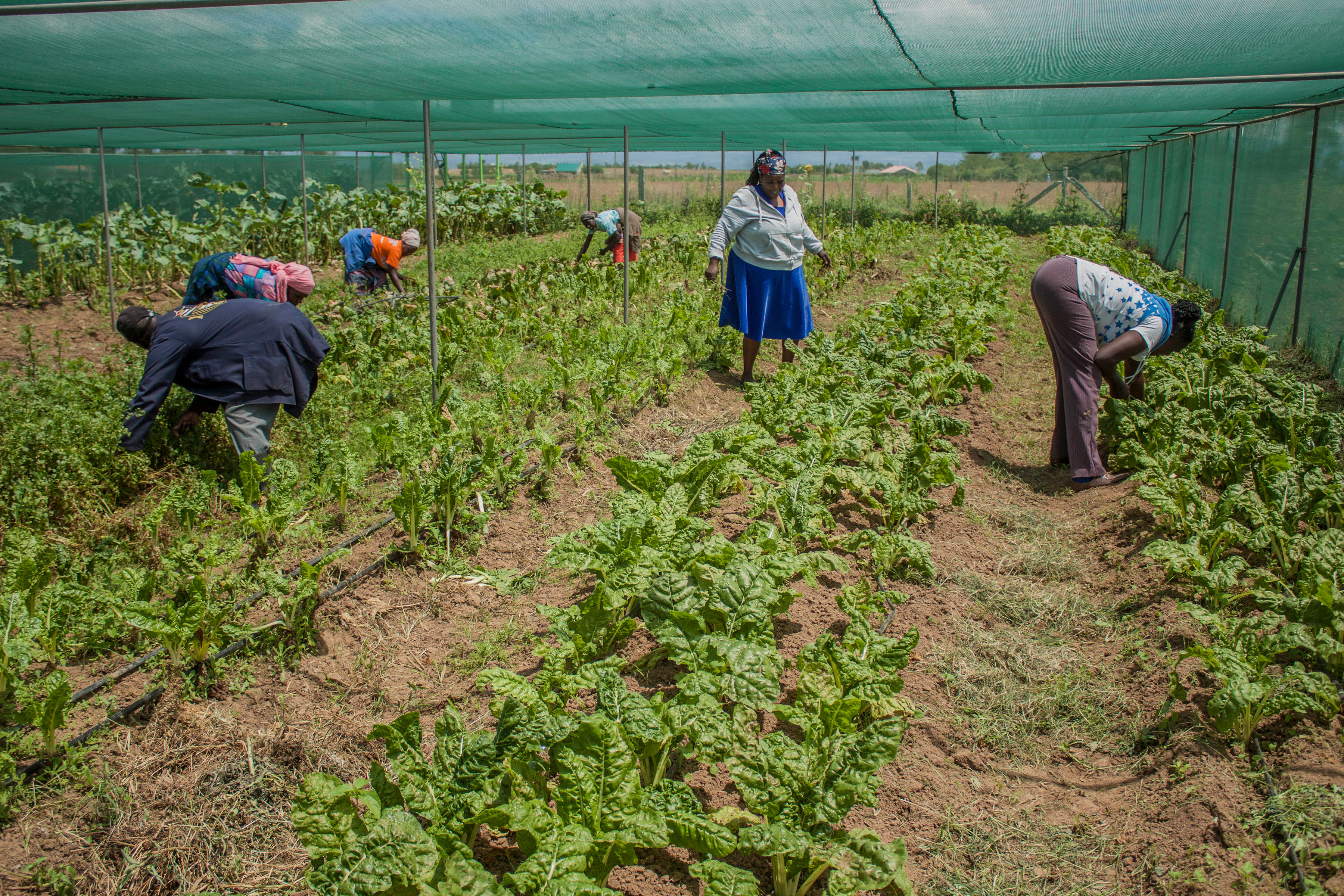
 Members of the Solio Three village in Laikipia county, in a community vegetable farm that supplies them with food and money/ ALICE WAITHERA
For years, residents of Bahati village in Solio, Laikipia county, lived with the harsh realities of drought, including failed harvests and persistent water shortages that left many families struggling.
Streams dried up, the land became increasingly bare, and temperatures often rose to uncomfortable levels during prolonged dry spells.
Today, however, the area is slowly transforming as residents embrace climate adaptation programmes aimed at restoring the environment, improving food production and strengthening community resilience.
“The communities in Solio have been partnering with Habitat for Humanity organisation for the last three years to implement climate adaptation actions that help build resilience,” said Justin Atemi of Habitat for Humanity during a tree planting exercise in the area.
The programme, implemented in partnership with Lions Clubs International, local leaders and residents, focuses on agroforestry, climate-smart agriculture, sanitation and improved water access.
Under the initiative, more than 20,000 tree seedlings, including indigenous and fruit trees, have been planted across Solio in an effort to restore vegetation cover and improve environmental conservation in the semi-arid region.
The project has also introduced flood-resilient toilets known as Safi Latrines to address sanitation challenges that emerge during heavy rains and flooding.
The new model is designed to withstand flooding and reduce the repeated destruction of pit latrines during rainy seasons.
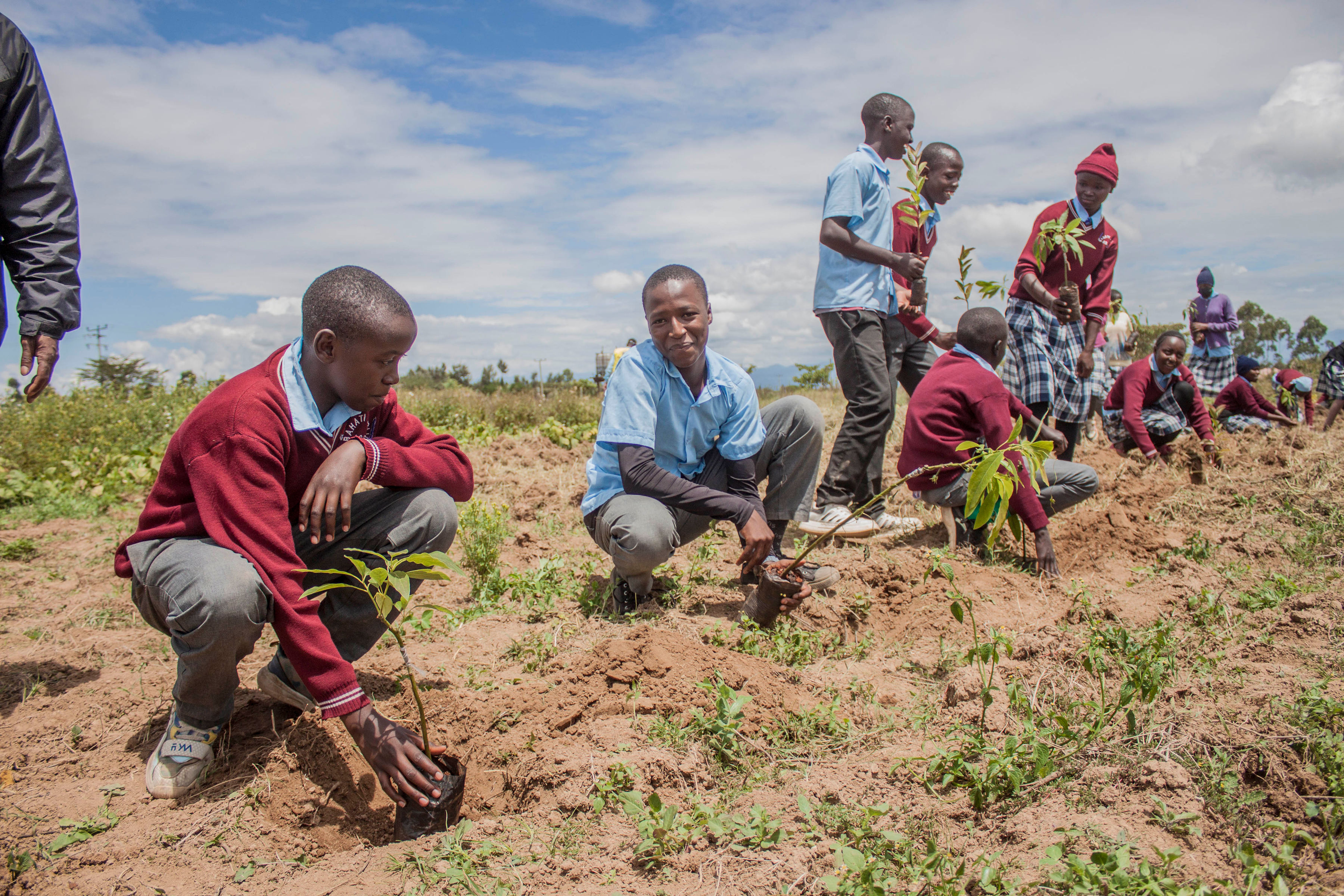 Bahati DEB Solio Ranch Junior Secondary school students participate in a communal tree planting exercise on May 13, 2026/ ALIICE WAITHERA
The programme is working with hygiene promoters to educate residents on sanitation and disease prevention, particularly against infections such as cholera, typhoid and diarrhoea.
Schools in the area have also benefited from the construction of toilets and menstrual hygiene sensitisation programmes for girls.
The interventions come at a time when Laikipia County continues to experience increasingly erratic weather patterns linked to climate change.
The county has, over the years, faced prolonged droughts punctuated by occasional floods that disrupt livelihoods and worsen food insecurity.
Reports by the National Drought Management Authority say rainfall performance in parts of Laikipia has remained below average in several seasons, affecting pasture regeneration, water availability and agricultural productivity.
In Solio and neighbouring areas, residents say the impact of climate change has been severe over the years, with many families struggling to sustain farming activities due to unreliable rainfall and water shortages.
Pastor Moses Makara said the climate adaptation programme has significantly changed the lives of residents by introducing modern farming practices and improving access to water.
“This project has been very beneficial because it has brought farming closer to the community,” Makara said.
The residents are now growing certified varieties of beans, spinach and fodder crops that are improving both household food security and livestock production.
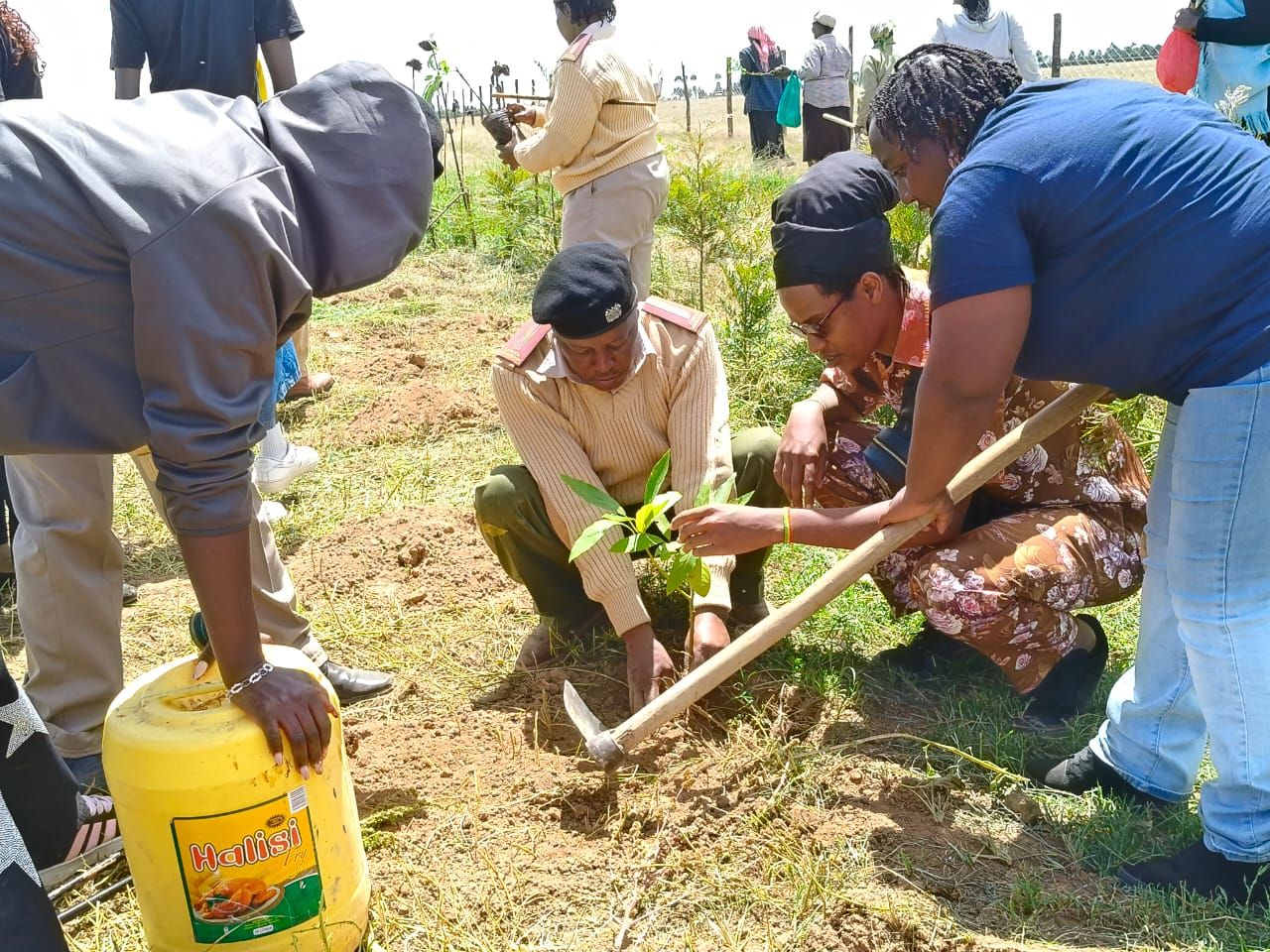 Community members planting trees donated by Habitat for Humanity organisation at Solio in Laikipia county on May 13, 2026/ ALICE WAITHERA
Makara said the programme has supported the construction of dams and boreholes that are helping communities overcome water shortages.
More than 50 households have already connected water to their homes and established kitchen gardens where they grow vegetables.
Farmer Kellen Wangui said residents have expanded vegetable farming and are now supplying produce such as spinach, onions and capsicum to markets outside Solio and hotels offering better prices.
“We have been growing spinach and selling it to markets outside Solio and to large hotels, and they have been offering us good prices,” she said.
According to Wangui, the organisation has also helped farmers identify reliable markets for their produce, with some buyers now visiting farms directly to purchase vegetables.
She said the increased income from farming has improved the welfare of many households and enabled farmer groups to plan additional income-generating projects.
Justus Maragara of the Lions Club of Laikipia said the organisation has partnered with Habitat for Humanity for the last three years and has witnessed the positive impact the project has had on the region.
He noted that the combination of tree planting, boreholes and climate-smart farming has helped restore hope among residents who previously struggled with persistent drought.
Bahati assistant chief Regina Kiboi said the once dry and extremely hot area is gradually becoming greener because of sustained tree planting and improved water access.
She said schools have also benefited through sanitation projects and tree planting programmes, while more residents are increasingly embracing environmental conservation by planting trees on their farms.
Kiboi said temperatures in the area have gradually become more favourable compared to previous years, when residents could hardly wear sweaters during the day because of the intense heat and dry conditions.