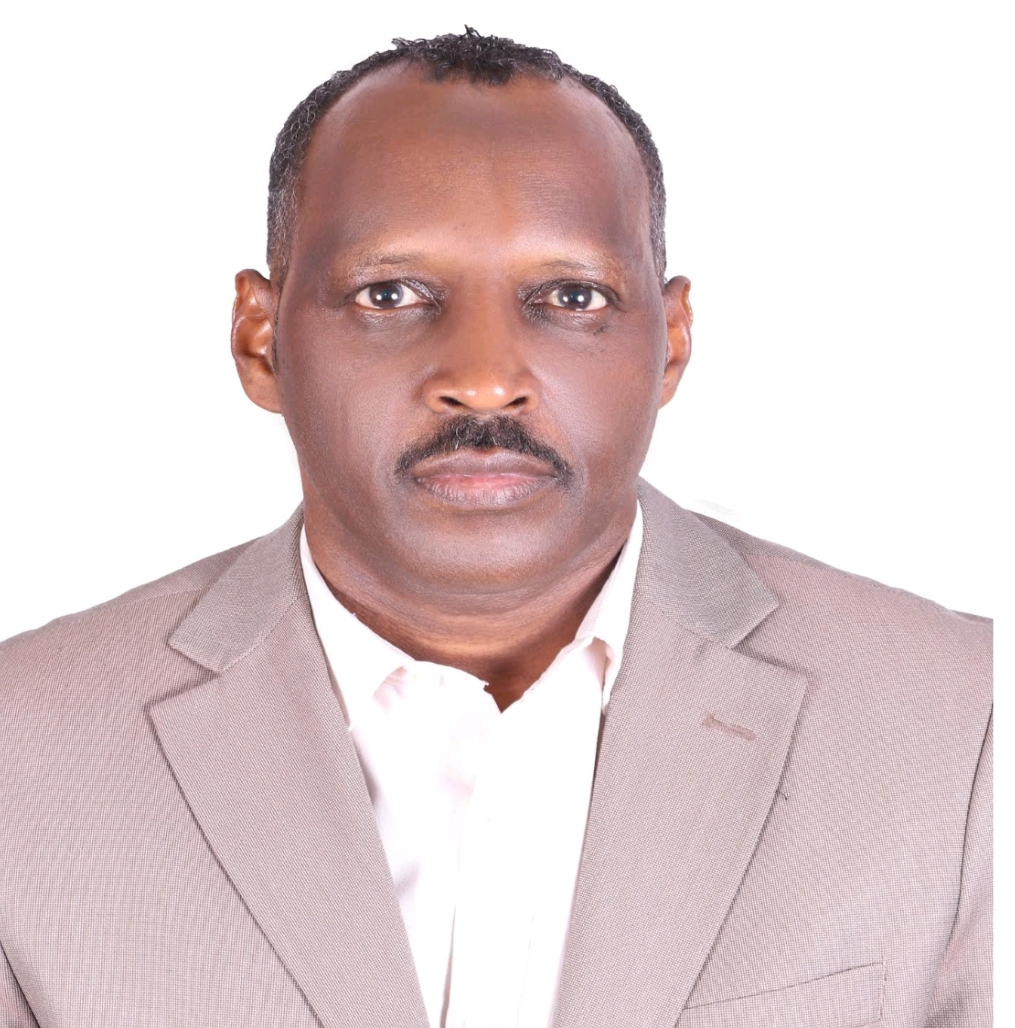
 Hon. Salah Maalim Alio — County Executive Committee Member-Lands,Housing and Urban Development-County Government of Mandera-Kenya./HANDOUT
As Nairobi hosts the historic, one message is becoming unmistakably clear: Africa is no longer waiting to be invited into the future. It is actively building it.
The summit, co-hosted by and, is not merely another diplomatic gathering filled with speeches and ceremonial handshakes. It is a declaration that the centre of global economic and political engagement is increasingly shifting toward Africa — and Kenya is positioning itself as the continent’s strategic gateway.
For decades, African diplomacy often revolved around aid dependency, donor conferences, and unequal partnerships. The Africa Forward Summit signals a deliberate break from that past. The language of the summit itself — innovation, investment, AI, industrialisation, energy transition, blue economy, and financial reform — reflects a continent determined to negotiate from a position of agency and ambition.
Kenya’s emergence as the host of such a consequential summit is not accidental. It is the product of a new foreign policy orientation under the Kenya Kwanza administration that has aggressively repositioned Kenya as a diplomatic, economic, and geopolitical hub.
Under President Ruto, Kenya has pursued a pragmatic and highly visible foreign policy anchored on trade, climate diplomacy, regional stability, technology partnerships, and multilateral engagement. Unlike traditional diplomacy that focused narrowly on protocol, Kenya’s current approach ties diplomacy directly to economic transformation and national development.
At the centre of this strategy is the often understated but increasingly influential work of Prime Cabinet Secretary and Cabinet Secretary for Foreign and Diaspora Affairs . His calm but strategic diplomatic engagement has restored confidence in Kenya’s role as a dependable regional actor capable of convening global powers and African leaders on equal footing.
Equally significant is the role of , one of Kenya’s most polished legal and diplomatic minds. With extensive experience across government, academia, civil society, and international governance, Dr Sing’oei Korir has become a central architect of Kenya’s assertive diplomatic posture. His ability to articulate African interests within global legal and policy frameworks has strengthened Kenya’s credibility in international negotiations on peace, climate, migration, trade, and technology governance.
The results are increasingly visible.
Today, Nairobi is not only East Africa’s commercial capital; it is becoming one of the world’s most important diplomatic cities. The presence of over 30 Heads of State, global CEOs, innovators, investors, and multilateral institutions at the summit demonstrates growing international confidence in Kenya’s stability, infrastructure, and strategic leadership.
The timing is equally symbolic. As the Africa Forward Summit unfolds, it is also in Kenya to launch the construction of a new United Nations complex and conference centre at the hub. This development further cements Nairobi’s status as the diplomatic capital of the Global South and the only UN headquarters in the developing world.
This convergence of global events in Nairobi is not a coincidence. It reflects a growing recognition that solutions to many of the world’s defining challenges — climate resilience, digital transformation, peacebuilding, food security, renewable energy, and youth employment — increasingly require African leadership and African participation.
Kenya has intelligently positioned itself at the centre of these conversations.
The summit’s seven themes — ranging from AI and digital technologies to green industrialisation and reform of the international financial architecture — align closely with Kenya’s broader economic diplomacy agenda. Nairobi’s “Silicon Savannah” identity, the country’s leadership in renewable energy, and its expanding fintech ecosystem make Kenya an attractive bridge between Africa and global capital.
Importantly, the summit also reflects a changing relationship between Africa and Europe. France’s decision to co-chair the summit with an English-speaking African country for the first time represents an acknowledgement that future partnerships must be based on mutual respect, shared prosperity, and co-creation rather than historical hierarchy.
Africa Forward 2026 therefore represents more than a diplomatic event. It is a geopolitical statement.
It tells the world that Africa’s future will not be written solely in foreign capitals. It will increasingly be shaped in African cities like Nairobi by African governments, entrepreneurs, innovators, and young people determined to define their own destiny.
And as Kenya hosts the world this week, it is becoming evident that Nairobi is no longer simply participating in global affairs. It is helping lead them.
The writer is CECM Lands, Housing and Urban Development Count Government of Mandera-Kenya and Land Governance, Leadership and Security Management Specialist