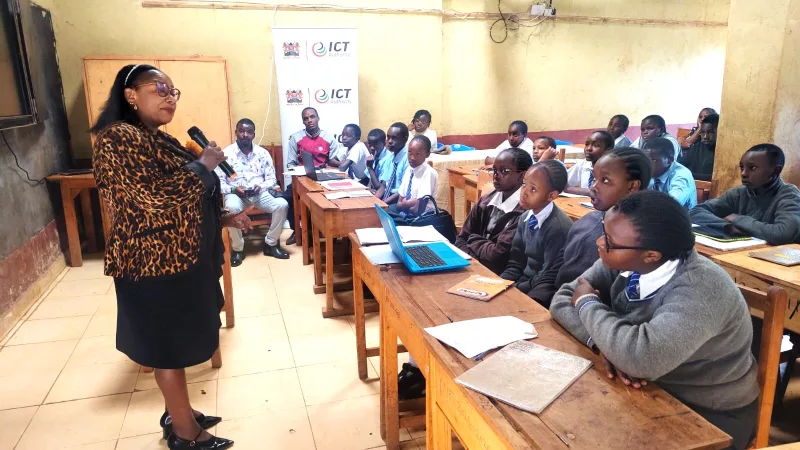
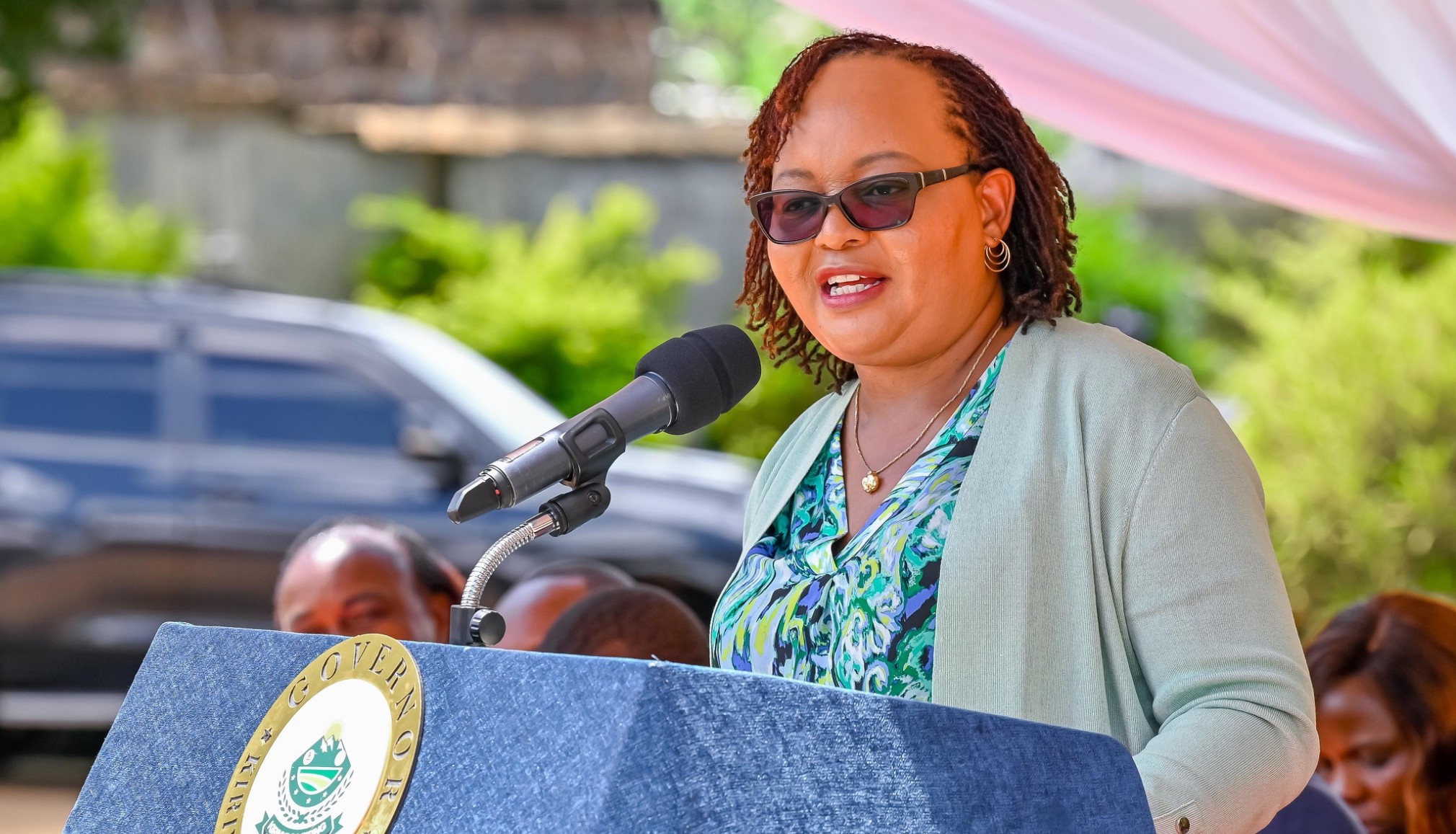
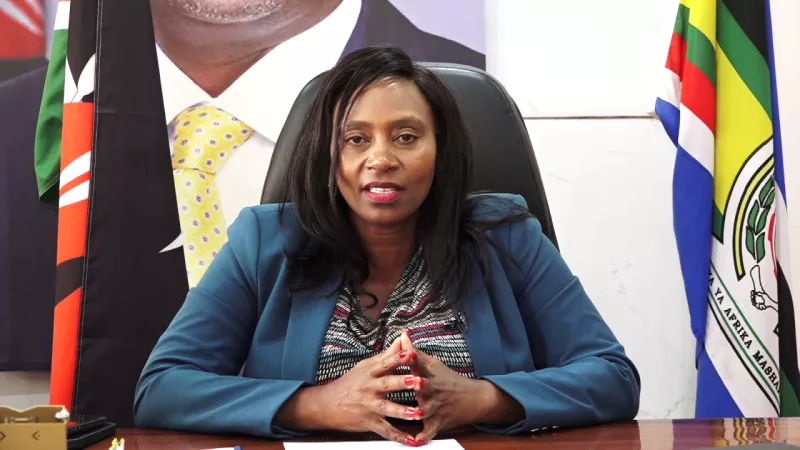
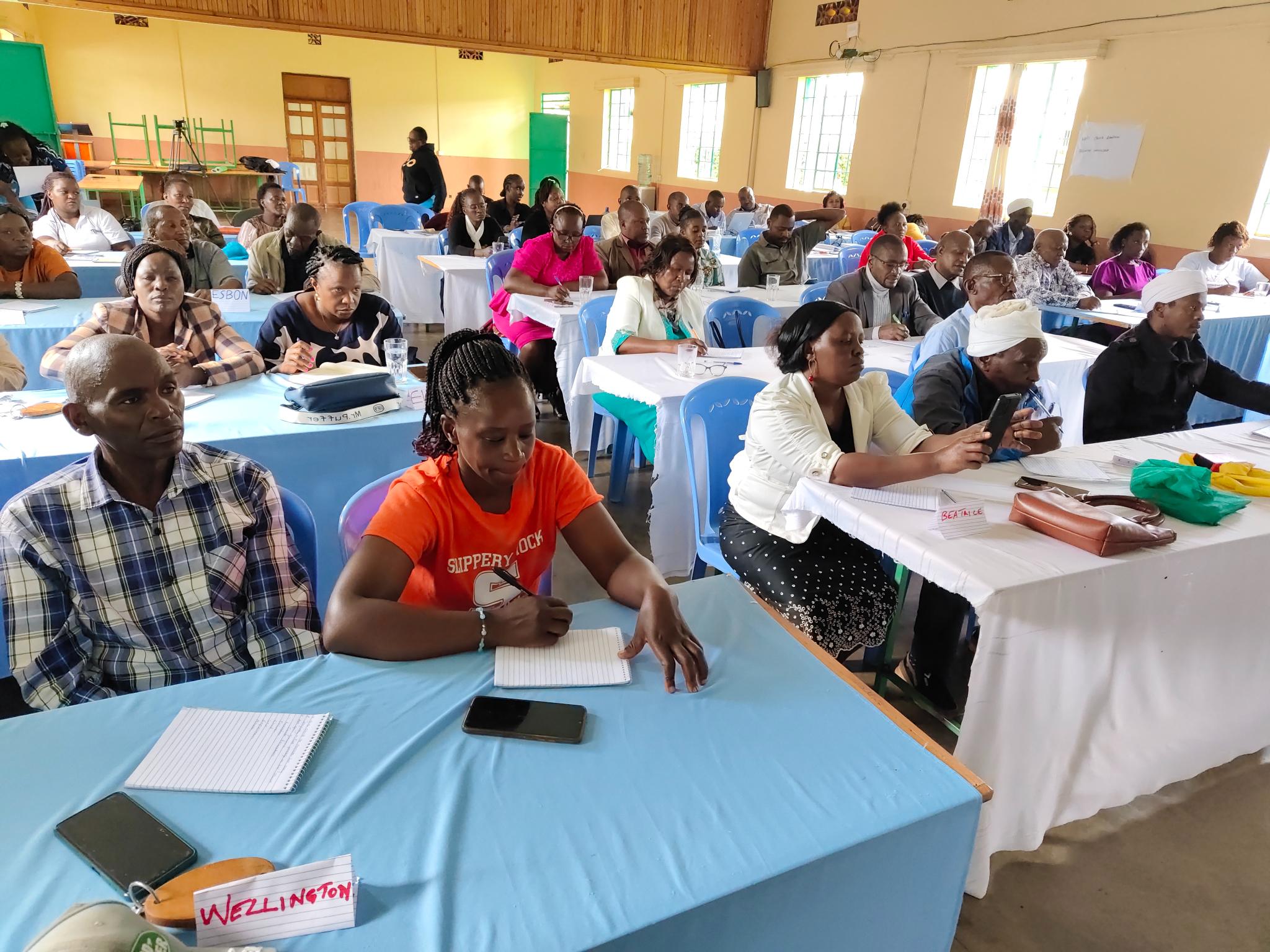
 Participants during Child Protection training organised by Legacy for Children in Maragua, Murang’a /ALICE WAITHERA
In Ithanga village, Gatanga subcounty, Murang’a county, a child had long stopped smiling.
Every evening, insults came first, followed by beatings. Neighbours occasionally heard the screams, but few intervened, treating it as a “family matter”.
At home, the child no longer felt safe, wanted or loved. Even meals were uncertain. Eventually, the situation became unbearable.
That was when Benson Mwaura stepped in.
Mwaura, a child protection volunteer from the area, recalls the case with quiet clarity. The child had endured constant physical and emotional abuse from their parents and had lost any sense of belonging within the home.
“We sat down and discussed the matter and eventually the child was removed from that family and placed under alternative care, where they are now being looked after properly,” he says.
The parents were arrested and the matter taken to court. For Mwaura, it was not an isolated case, but part of a growing pattern of neglect, abuse, and abandonment unfolding silently inside homes across Murang’a.
He says many children are no longer growing up in stable family environments.
Alcoholism, domestic violence, poverty and separation are tearing families apart.
Some children are left with ageing grandparents as parents move to towns or abroad in search of work.
Others drift between relatives, neighbours and eventually children’s homes.
“Sometimes the mother runs away and the father falls into alcoholism, leaving the children abandoned,” Mwaura says.
“You may find a child who has been chased away by their parents or beaten regularly. Seeing children suffer in this way prompted me to become a child protection volunteer.”
Across the county, such stories are becoming more common, prompting government agencies and community organisations to intensify child care reforms aimed at keeping children in safe family and community settings rather than institutions.
The reforms form part of Kenya’s 10-year National Care Reform Strategy (2022–32), which seeks to transition children from institutional care to family-based care by 2032.
At the centre of this shift are ordinary community members — chiefs, volunteers, foster parents, and child protection champions — who handle emotionally demanding cases often hidden within villages.
This week, dozens of these grassroots actors gathered in Murang’a for a two-day training on child safeguarding, family reintegration and care reforms.
Participants came from all nine subcounties, including chiefs, National Government Administration Officers, children officers and volunteers working directly with vulnerable children.
For many, the discussions were difficult but necessary.
Patrick Kamau, the acting chief of Mugumo-ini location in Gatanga subcounty, says child neglect is increasingly driven by social and economic pressures facing modern families.
“Children are facing many challenges, especially here in the villages. Many parents nowadays neglect their children because of violence and conflicts in their homes,” he says.
He said domestic disputes often leave children emotionally distressed and exposed to further risks outside the home, including defilement, exploitation, drug abuse, and school dropout.
“Parents are constantly fighting, and as a result, children are left without proper care and guidance,” Kamau adds.
The situation is worsened by migration. In many villages, grandparents are increasingly becoming primary caregivers as parents move to Nairobi or abroad for work.
But intergenerational caregiving comes with challenges.
“The grandparents may want to raise the children in one way, but the children often resist that kind of life. This creates conflict,” Kamau says.
Many elderly caregivers also struggle financially and physically, leaving gaps in supervision that can expose children to unsafe environments.
For county children services coordinator Peter Nzeva, these realities explain why Murang’a was selected as a pilot county for care reforms.
He says progress has been made since 2018. At the time, more than 700 children were in children’s homes.
Today, that number has reduced to below 300 as efforts focus on reintegration into families and communities.
“The issues contributing to neglect are mainly poverty, broken marriages and family conflicts. Sexual offences are also very many in our courts,” Nzeva says.
He adds that while children’s homes were once seen as safe havens, evidence now shows prolonged institutional care can affect emotional development and identity formation.
Under the Children Act, 2022, Kenya aims to fully transition towards family-based, foster and kinship care by 2032.
However, the process is complex. Of the 120 foster families assessed in the county, only about 30 have taken in children.
Each case requires assessment, counselling, community sensitisation, monitoring, and, in some cases, economic support for families.
For volunteers like Mwaura, this work is at the frontline of child protection. They respond to abuse cases, rescue children, mediate disputes and accompany survivors to hospitals, police stations and courts.
“There are cases involving defilement and child abuse that are never properly followed up,” he says.
“You find the perpetrator still walking freely in the village.”
Despite the challenges, many continue without pay.
For Margret Wambui from Kenol, the training revealed that abuse is not always physical.
“Some parents may not know they are abusing their children because abuse happens in many forms,” she says.
She believes prevention begins with awareness and dialogue within families before situations escalate.
Faith Nduta from Geep Kenya says her organisation supports reintegration through the Legacy for Children (L4C) programme, which works with child protection champions across Murang’a.
“We want to ensure when we leave, we have people that we leave behind to support the State Department of Children Services,” she says.
Efforts are also being made to strengthen families economically, with poverty identified as a major driver of neglect.
In some cases, children are surrendered to institutions due to lack of food, school fees or medical care, while others are affected by addiction and mental health challenges within families.
Stakeholders also raised concern over proposed reductions in the Presidential Secondary School Bursary, which supports vulnerable learners.
Back in Ithanga-Kakuzi, Mwaura says the most rewarding moments come when children begin to recover — returning to school, regaining confidence, and rebuilding their lives.
He believes communities still hold the power to protect children, if they choose not to remain silent.
Because sometimes, he says, saving a child begins with noticing the silence from the next home.