 Media sensation YB Jezza/HANDOUT
On a busy afternoon in Nairobi’s central business district, it is no longer unusual to spot a sharply dressed man with neatly plaited cornrows, subtle earrings catching the light as he moves through the crowd. A decade ago, such a look might have drawn stares or even outright judgement. Today, it is part of a growing, visible shift in how men present themselves, one that is quietly redefining the boundaries of masculinity.
Across urban centres and, increasingly, in smaller towns, men are exploring forms of self-expression that were once firmly coded as feminine. Yet, many of these men are not seeking to challenge their gender identity. Instead, they are expanding what it means to be masculine.
‘’A few years ago, my style was more about fitting in and keeping things simple. Now, it’s a lot more intentional and expressive. I’m more comfortable experimenting, whether it’s with my hair, accessories or overall grooming. I pay more attention to how I present myself, not for approval, but because it reflects who I am at the moment,’’ says John Carson, a creative professional.
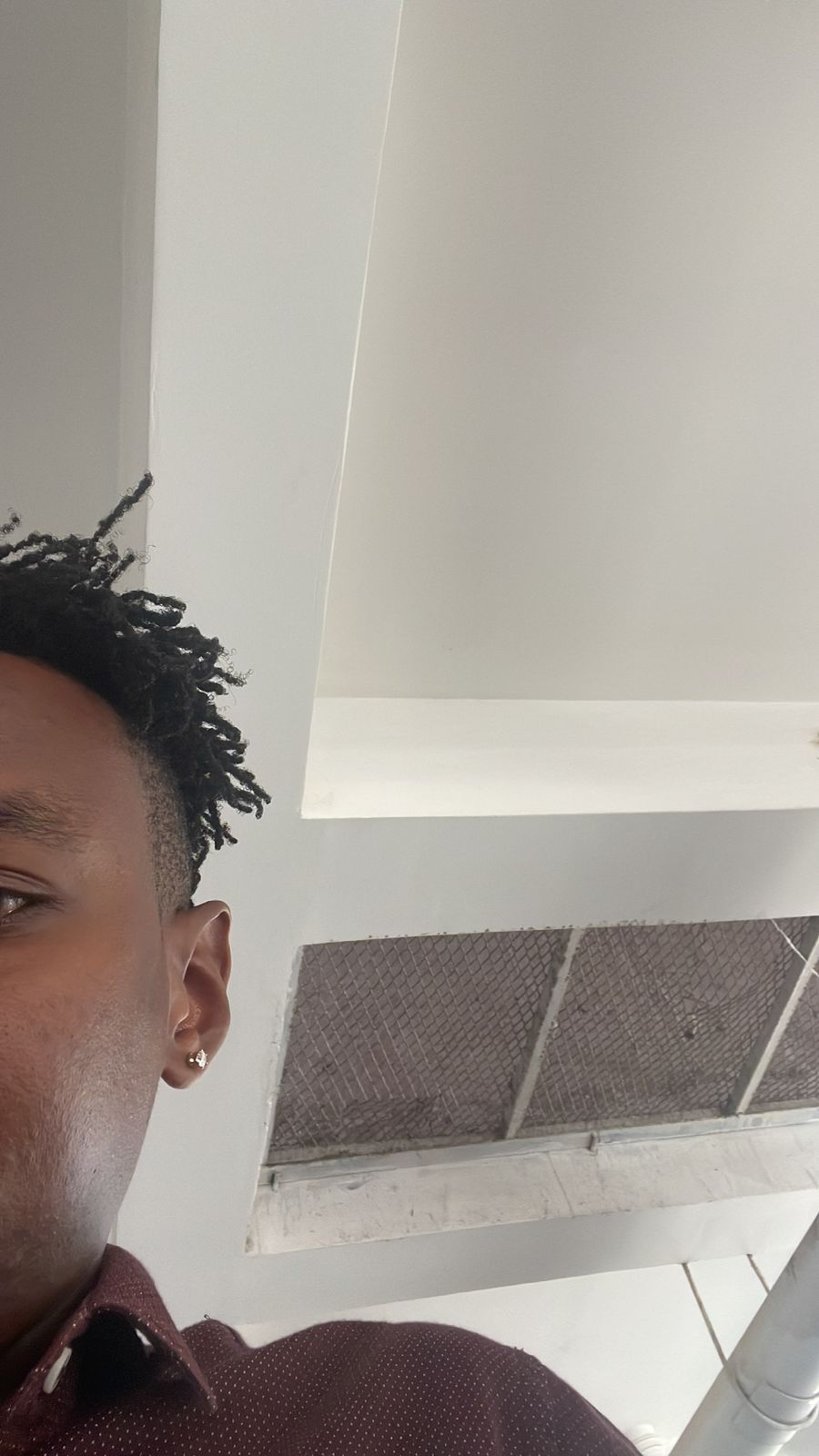
Carson’s outlook is one defined with style—neatly kept nails, small but noticeable studs in both ears, not forgetting the well-kempt hair gradually turning into defined dreadlocks.
Carson is part of a broader demographic of men who are increasingly comfortable blending traditional and contemporary elements of grooming. While dreadlocks have long been accepted in many African contexts, styles such as cornrows, intricate braiding patterns and accessorised looks were historically associated with women.
That distinction, however, appears to be fading.
For Max Larson, a youthful, cheerful, outgoing and ever-trendy lad, grooming is more than just a daily routine; it is tied to his feelings and mood for the day.
"I decided to wear my hair out because it describes who I am; someone who does not look at society the way old people used to; that as a man you must shave, stay bald and all that. I chose to wear my hair out as it describes who I am; it shows I am unique and special,’’ he says.
‘’If you do not feel special, you would never find the confidence to rock anything, plus I like the versatility that comes with having hair; you can put it in cornrows, twist outs and many more different styles, so yeah.’’
This evolving approach to grooming is not occurring in isolation. It is influenced by global fashion trends, social media visibility and a generational shift in attitudes towards identity and self-presentation.
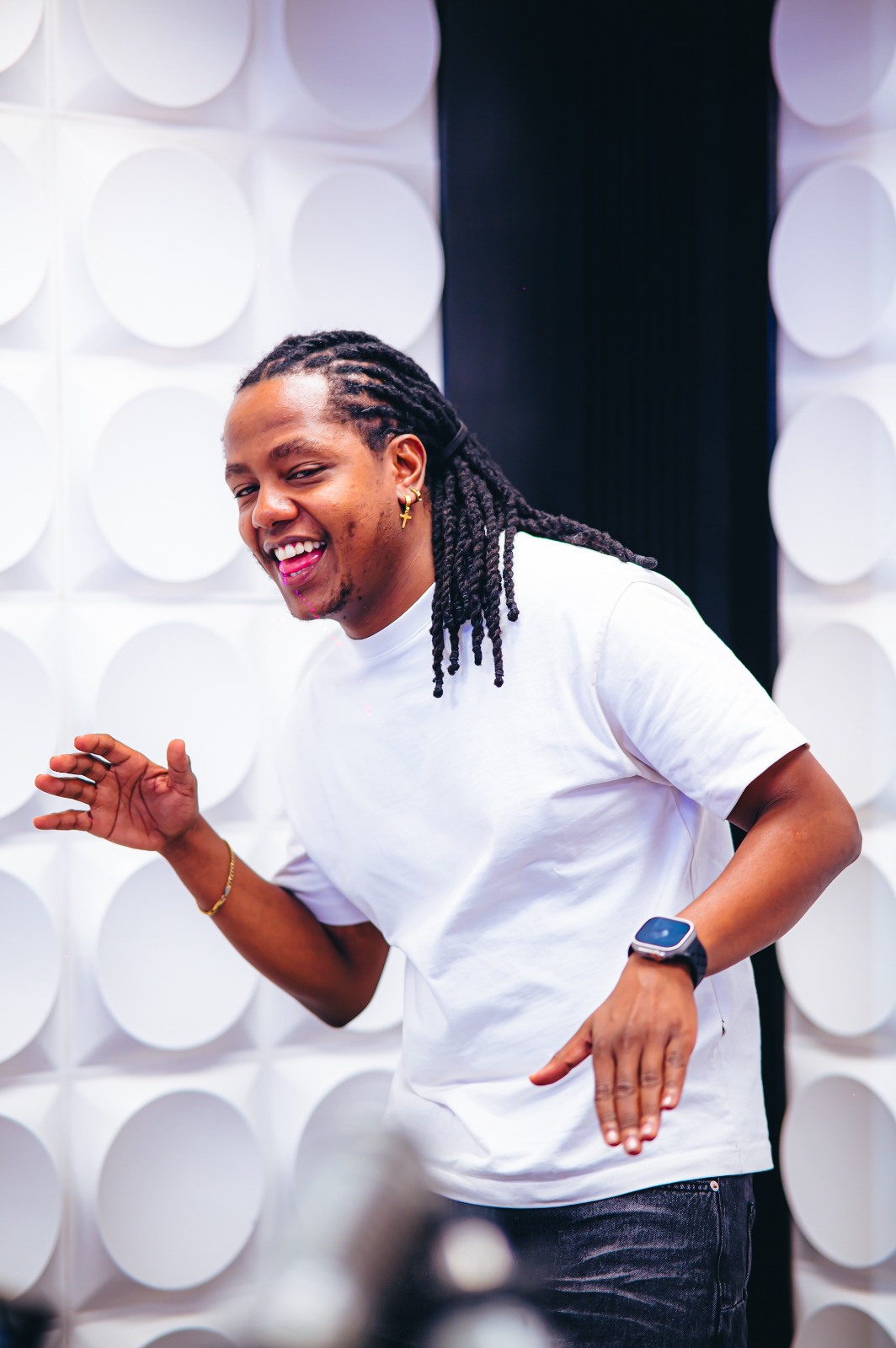
‘’My style mostly depends on my mood. There's a bit of influence from Lewis Hamilton, whose drip is on another level, so yeah...the mood and place where I'm going to,’’ says YB Jezza, a media sensation whose look speaks volumes before he can utter any word.
Jezza is among the many youthful guys whose sense of style and general grooming has been influenced by known figures globally and locally.
‘’My thrill in experimenting with my hair also came from playing many video games where I could create my own avatar as it gives me a look into the different styles,’’ Larson says.
To some guys, the decision to express themselves in their grooming moves beyond having a ‘monkey-see monkey-do’ figure. It is personal, focused and has a ‘stamp to it.’
‘’Way back, my style was more dictated by my parents and school. Now that I am in control of my decisions, I can now style myself however I want,’’ Carson says.
For Jezza, his hair and ear piercings speak about his growth and choices before any words can.
‘’I first put my dreadlocks on because when I was young, like in primary scool, my dad used to make me cut all my hair. Growing up, I told myself I would never cut my hair. For the piercings and earrings, I think they are just accessories that look so good on me,’’ he says.
To these men, none of the changes in how they have gradually brought out their identities through their grooming styles has, in any way, altered what masculinity is to them.
To Carson, defining masculinity has to be married to confidence and one feeling secure in who they are. ’’Over time, I have realised it’s not about fitting a stereotype, but being authentic,’’ he says.
‘’Masculinity to me is just being a man, it is okay for a man to feel good, to do things that make him feel good. The definition to me has not changed. Even if a guy wears a crop top today, it does not change the fact that he is a man,’’ Larson adds.
Yet, beyond aesthetics, there is a deeper narrative unfolding; one that touches on freedom, confidence and the loosening grip of rigid gender norms.
A sociologist’s point of view
Sociologist Dr Caroline Ng’ondu explains that from a gender theory perspective, these modern practices seen in men are just aesthetic choices that could function as marks of identity and acts of resistance.
‘’For many men, especially in Black, Afro diasporic and youth culture contexts, braids and cornrows could signify cultural pride, or a rejection of Eurocentric beauty norms that have historically policed black hair as “unprofessional” or “unruly”. Earrings, which were once coded as “feminine” or “rebellious”. now appear as part of broader grooming for men,’’ she says.
Ng’ondu says the trend is not new, but rather a re-emergence and remix of older cultural practices.
‘’Firstly, braids and cornrows in Africa have functioned for millennia as markers of age, clan, social status and even spiritual belief, not mere decoration,’’ she says.
Many men adopting these styles are keen to clarify that their choices are not tied to sexual orientation or gender identity. This distinction, while sensitive, is central to how they frame their personal narratives.
‘’I never miss when it comes to change of style, it is mostly filled with compliments, and that’s what motivates me to keep changing and exploring. Yes, I get different reactions for different styles. I mean, ask a guy with earrings on,’’ Carson says.
Indeed, for some men, adopting these styles requires a degree of courage. The decision to wear braids or earrings can invite unsolicited opinions or assumptions.
Larson says his choices, when it comes to dressing and his hair, despite what people may say or insinuate, reflect him knowing who he is and what he stands for and believes in.
‘’I have faced judgement and stereotyping because of my appearance, like in wearing skinny jeans. Back in the day, not many guys would wear that. I know if you enter a room dressed as a superstar, people will treat you like one,’’ he says.
Carson reiterates that, ‘’At times, people look at me and make assumptions at first. I have found some people of my gender being attracted to me, thinking I would flow with it until they really get to know me.’’
This sentiment highlights a recurring theme: the desire to separate appearance from assumptions. For these men, grooming is not a statement about identity in the traditional sense, but rather an extension of individuality.
"These changes in men are part of a broader cultural renegotiation of what it means to be masculine. This is a shift from what is termed hegemonic masculinity. However, this doesn’t imply that masculinity is becoming feminine,’’ Ng’ondu says.
The sociologist says men embracing these changes boldly and wholesomely face societal resistance that is visible and often gendered.
Asked where this new evolution of masculinity is headed, Dr Ng’ondu says, ’’We are likely moving toward a more plural, performative and fluid masculinity, but not a smooth or conflict-free one.’’
In many ways, that process is already underway. What once stood out is becoming routine. The shock value is diminishing, replaced by a quiet acceptance.
The parental lens
Parents are increasingly confronted with a visible shift in how young men express identity through appearance, ranging from grooming and fashion choices to more expressive styles such as piercings, painted nails and bold hairstyles.
In an interactive Q&A session with some of them, here is what they had to say on the matter.
How would you describe the changes you are seeing in how young men present themselves today, particularly in grooming, fashion and self-expression?
‘’I think young men right now are more expressive, they have more freedoms and know how to ask for what they want. Back in the day, we never really used to have very expressive grooming styles amongst men, even if they were, they were not as expressive as they are now,’’ says Sasha B, a mother.
‘’Generations are similar and different in many ways. In the case of dressing, nothing has changed much; what has changed is the mindset. These young ones now are a bit bold in how they go about their business,’’ says Ernest K, a father.
What is your personal reaction to trends such as piercings, painted nails or more expressive hairstyles among boys and young men?
Sasha: As a parent, I think it's important to allow the young men to go through this stage where they are this expressive and all. It's a phase and the moment you stop them from doing all that as teenagers, letting them do it now allows them to find what works or not for them
Ernest: I have nothing against these trends; the problem lies in the why. If it is for just some feel-good expression and related stuff, then it is fine, but if it’s about gang, homosexuality and related beliefs, then no.
In what ways does your parenting style differ from how you were raised, especially regarding expectations around masculinity and self-expression?
Ernest: I remember my dad telling me I was an adult at just 11. Sometimes it was rough. Made to do menial tasks above my age. Currently, I live in an urban area and there are no major tasks for my kids. Still, I expect them to be their own persons. My son must be a man and do manly stuff.
Do you feel society has become more accepting of these changes, and has that influenced how you raise your children?
Sasha: Yes, or it's the generation that has changed society rather because they will not take no for an answer, they know what they want and wouldn't allow society to dictate to them how to be. We have had to evolve into what it is now; those who don't, end up facing rebellion, outbursts—things you don't want in your child. Besides, it's just hair, guys.
Ernest: Yes, society now is more accepting and has a mild influence on how I parent. I still demand that my kids behave with respect. But, unlike how I was raised, with a belt on my backside, I embrace value-based upbringing. I preach the ‘first time is a mistake, second is not’ gospel.
What do you think these shifts in grooming and self-expression say about the current generation of young men?
Sasha: This current generation of men is bold. Some of us would have wanted to do what they do now during our time but couldn't. We didn't feel like we had a voice back then as parents but we understand now that these are individuals with their own thoughts, plans and ideas.
To the men who want to try out the new styles…
‘’Do it anyway. People will always have something to say. That’s their problem, not yours. Own your look and let them adjust,’’ says Carson.
"Do not be afraid of judgement. However you want to wear your style or do your thing, you do you. As long as you have a crown on your head and move like a king, everyone will treat you like a king!’’ Larson adds.
Piercings, plaits and pride are no longer confined to specific categories; they are becoming part of a broader, more inclusive narrative of masculinity.