

A friend of mine, a businessman, called me one evening a couple of weeks ago. His car had been written off in an accident. Nobody was seriously hurt, but the vehicle was gone.
He had comprehensive cover, had paid his premiums without fail for four yearsand was calling me because three weeks after filing his claim, he had not received a single substantive update. Not a call. Not an email. Just an acknowledgement receipt and then, as he put it, complete silence.
After that conversation, he asked: "Did I make a mistake buying this policy?"That question is the real problem. The doubt underneath it is what Kenya's insurance industry needs to reckon with. We sell policies by the millions. But when a customer sits across from us with a genuine claim, that is the only moment that truly matters and we keep getting it wrong.
Insurance is built on a promise, but its credibility is not determined when that promise is made. It is determined when it is fulfilled. Right now, too many customers are being made to feel exactly the way my friend felt: uncertain, invisible and quietly regretting that they ever signed up.
The claims function, still largely fragmented and transactional, is struggling to keep up with rising customer expectations and evolving risks. IRA complaints data tells a story we need to sit with.
Complaints have risen by around 26 per cent, with general insurance bearing the brunt. Strip away the technicalities, and more than half are essentially the same: customers saying they waited too long, were paid too little, or were never told why. That is not a regulatory problem. That is a trust problem, and in a business where trust is the entire foundation, a trust problem is an existential one.
The numbers, however, are just symptoms. The real disease is structural. Kenya's claims process is designed around institutional convenience, insurers, brokers, loss assessors, etc., with each operating in their own lane with their own timelines and their own definition of urgency.
This fragmentation is seeded at the point of sale, where the language is dense and exclusions are buried. The sales conversation is dominated by price, not substance. So, by the time a customer makes a claim, they are often encountering the real terms of their policy for the first time.
When a claim is declined on a technicality, they were never meaningfully told about it, they do not experience it as a contractual outcome. They experience it as a trap. That perception travels through family networks, businesses and entire communities.
This is why insurance penetration in Kenya has barely moved, sitting at just 2.4 per cent of GDP below Africa's regional average of 3.5 per cent and well below the global average of 7.4 per cent cited in the Allianz Global Insurance Report 2025.
While we reach too quickly for the affordability explanation to justify this, a significant number of people who could buy cover have simply decided it is not worth the trust risk. Looking at the complaints data, I cannot blame them.
I agree, the industry's challenges are real and not simply a matter of bad faith. Fraud is significant. Claims inflation is a legitimate concern. Verification processes exist because, without them, the system would be gamed into insolvency. The problem is not that we conduct due diligence. The problem is that from the outside, due diligence is indistinguishable from resistance. A customer waiting three weeks does not know whether their claim is being carefully assessed or quietly deprioritised. In the absence of communication, they will always assume the worst, and they will usually be telling someone about it.
These are not just my observations. They were the central themes of the Inaugural Minet Kenya Claims Conference held recently. The conference surfaced three clear areas where change cannot wait.
First, tell customers the truth at the point of sale, plainly, not in small print. A customer who understands what they have bought does not feel ambushed, does not generate disputes and is more likely to renew their cover. Second, create real accountability across the claims chain. Right now, the process has many owners and, therefore, in practice, no owner.
Third, do not outsource this to technology alone. Digital tools can help, but technology without judgment produces a faster bad experience, not a better one. The customers who need us most want to feel that a human being is on the other side.
My friend eventually got his settlement. It took six weeks and several phone calls he should never have had to make. He has not renewed with the same insurer and is not sure he will buy comprehensive cover again at all.
That is the cost of a broken promise, not just one lost customer, but one more person who will spend years telling that story to anyone who asks whether insurance is worth it.
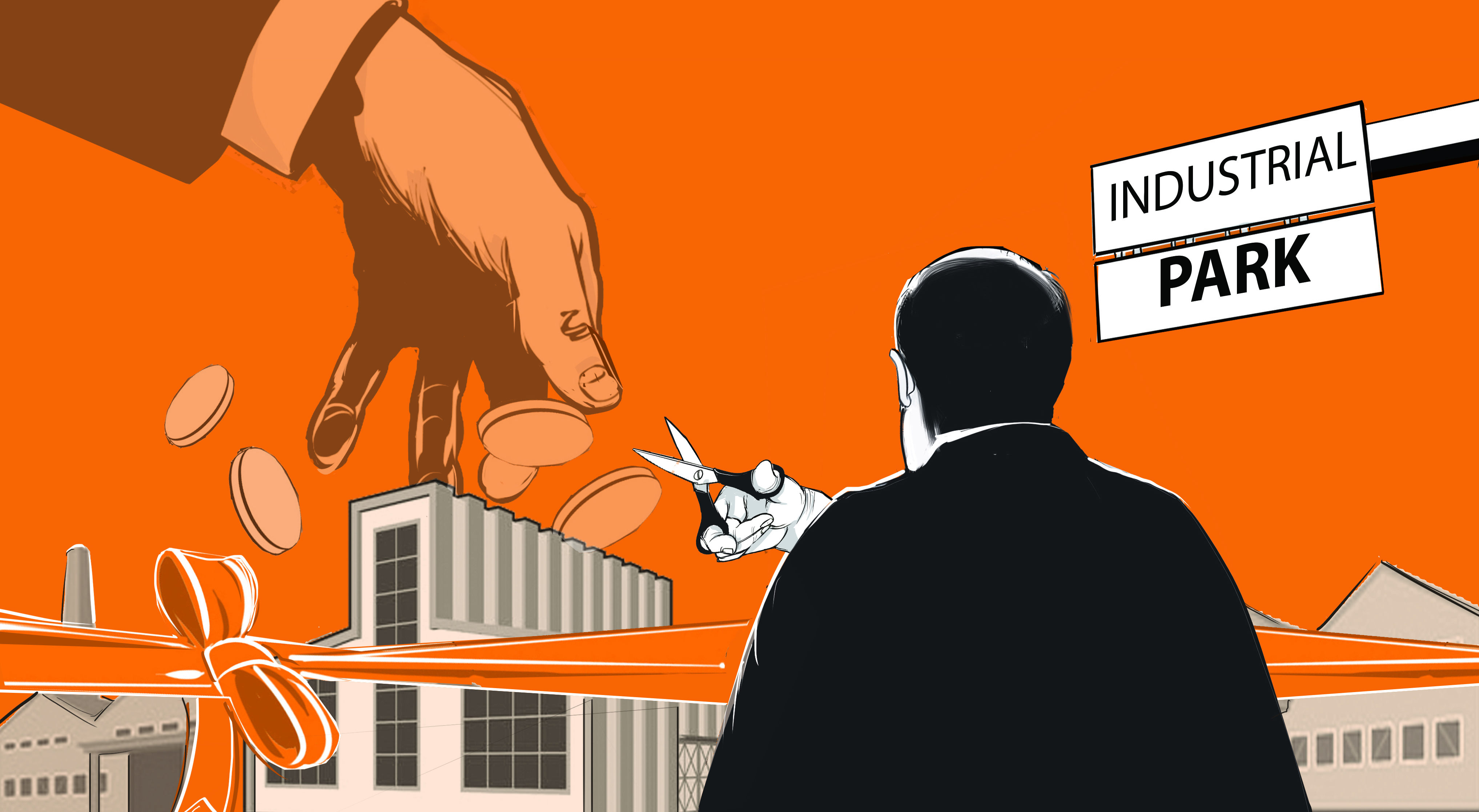
We have the data. We have the regulatory signal. The question is whether we have the will to make a genuine shift to stop treating claims as a cost centre or a back-office function, and start treating them as the product itself.
The policy is the promise. The claim is whether we keep it. Every time we keep it, we earn something no marketing budget can buy. Every time we do not, we lose something no marketing budget can recover.




Comments 0
Sign in to join the conversation
Sign In Create AccountNo comments yet. Be the first to share your thoughts!