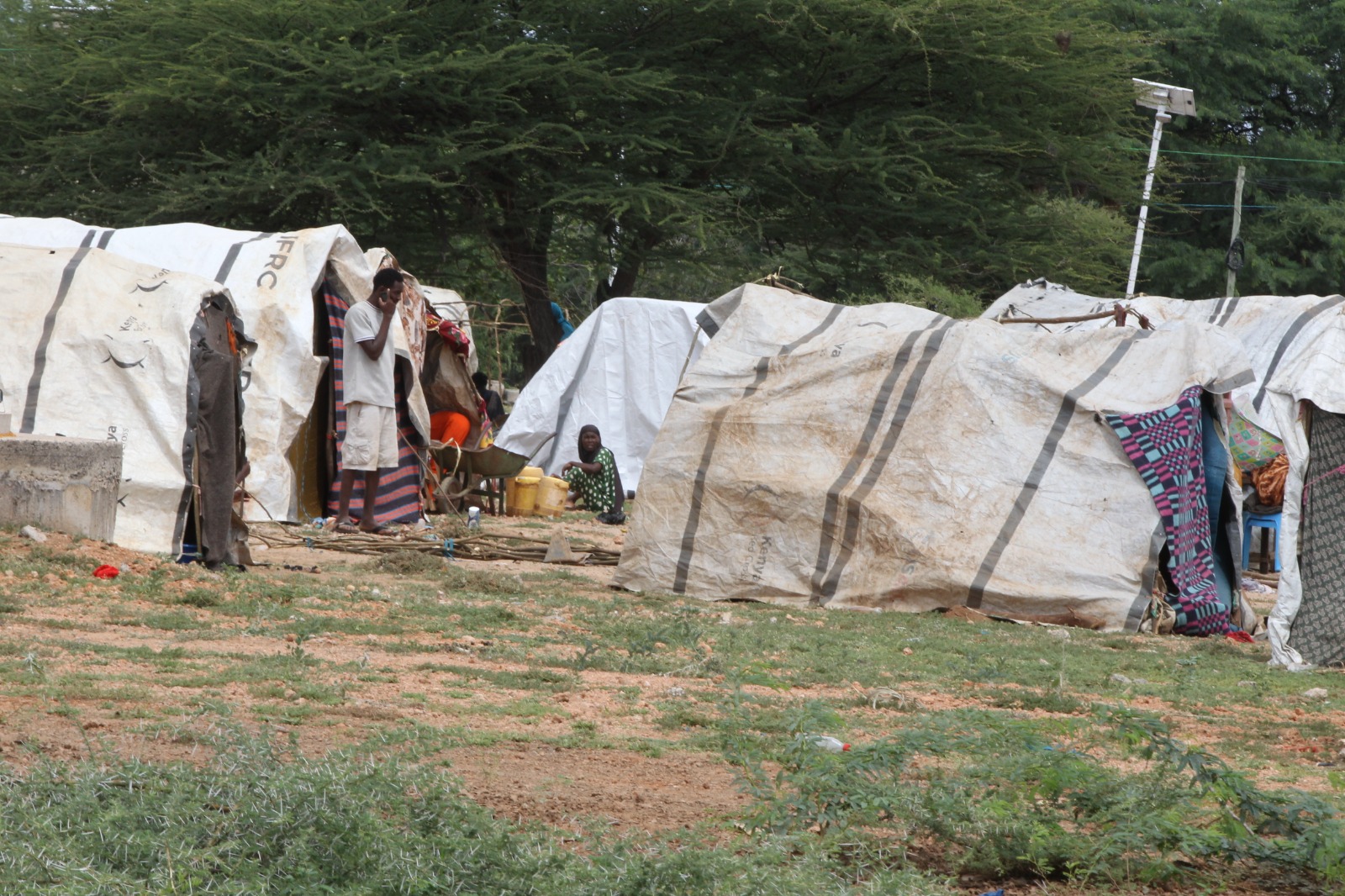
 IDPs from floodwaters from Bula Punda in Garissa are camping at
the Police Training Centre./STEPHEN ASTARIKO
IDPs from floodwaters from Bula Punda in Garissa are camping at
the Police Training Centre./STEPHEN ASTARIKO
Thousands of families have been forced out of their homes in Garissa County after raging floods triggered by heavy rains and rising water levels along River Tana swept through villages, destroying homes, farms and livelihoods.
At least 10,000 households in Garissa Township have already been displaced, while more than 60,000 others across the county remain at risk as floodwaters continue to rise, according to the Garissa County Steering Group.
The worst-hit areas include Bulla Punda, Bulla Kamor, Bulla Sheikh, Bakuyu and Ziwani villages, where devastated families have abandoned submerged homes and sought refuge in temporary camps.
Displaced residents are currently sheltering at the Farmers Training Centre (FTC), Hyuga and Police Training Centres as authorities and humanitarian agencies race to respond to the unfolding crisis.
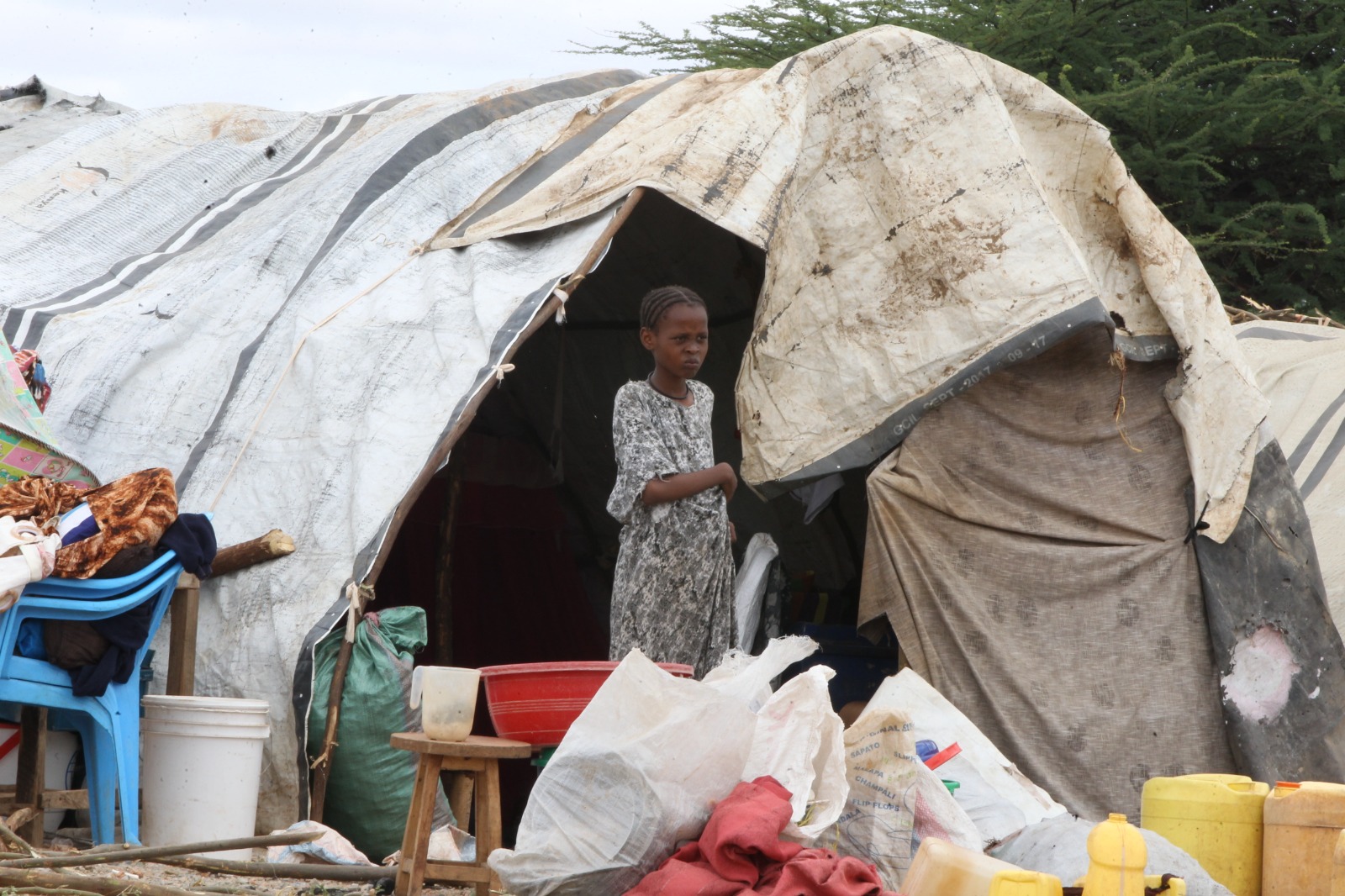 An internally displaced young girl from Mororo standing
outside her family’s makeshift tent at
the Farmers Training Centre in Garissa. /STEPHEN ASTARIKO
An internally displaced young girl from Mororo standing
outside her family’s makeshift tent at
the Farmers Training Centre in Garissa. /STEPHEN ASTARIKO
For many residents living along the River Tana basin in Garissa and neighbouring Tana River County, the floods have become a painful yearly disaster that leaves destruction in its wake every rainy season.
Residents say the floods are triggered by local rainfall, heavy rains upstream and at times the controlled release of water from the Seven Forks dams, exposing entire communities to repeated displacement and loss.
At the FTC camp in Garissa Township, dozens of families are now squeezed into makeshift shelters with limited access to food, clean water and healthcare.
Among them is Issa Malio from Ziwani village, who has spent the last week at the camp with six members of his family after floodwaters swallowed their home.
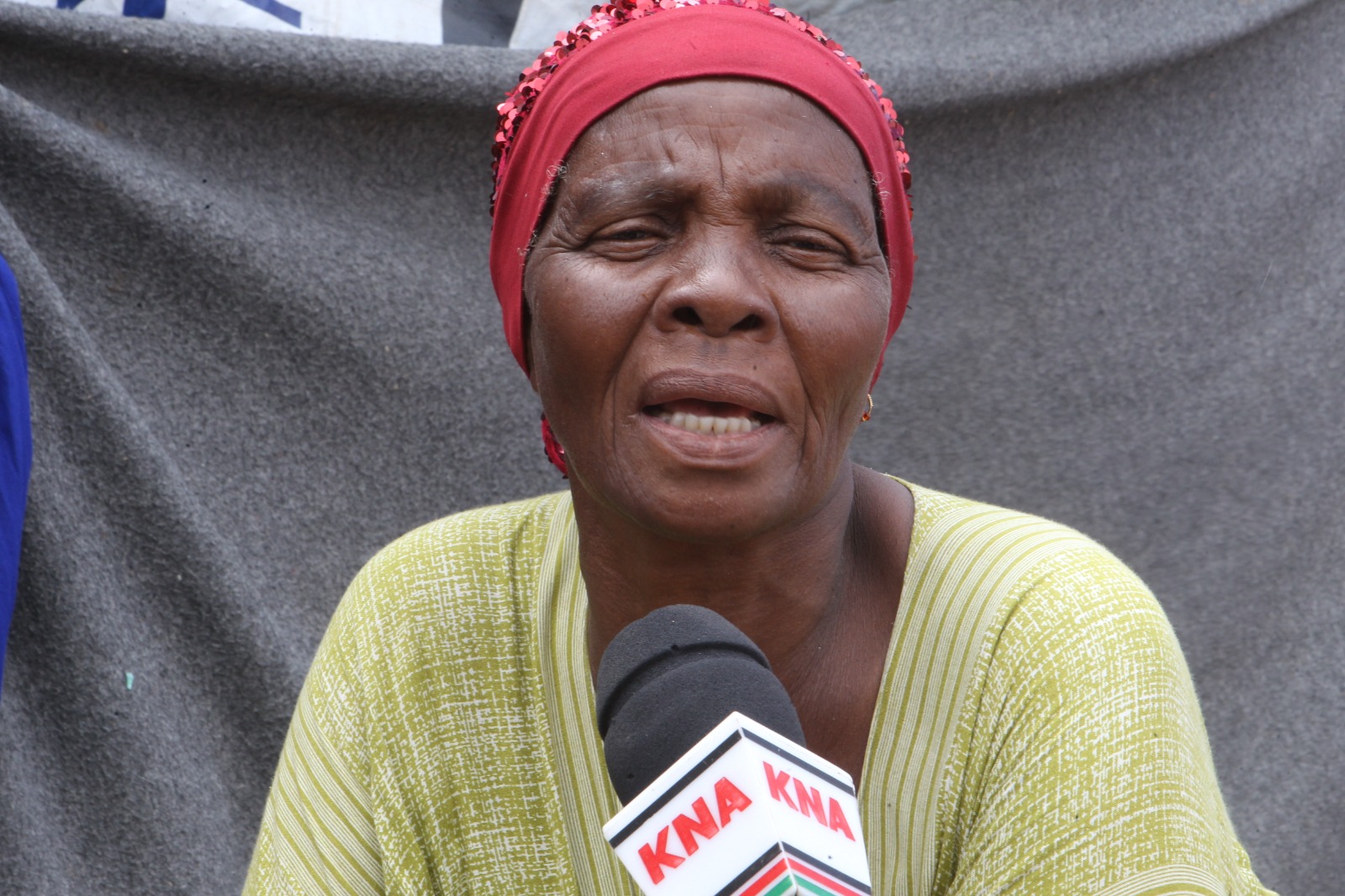 Khadija Swale, another displaced resident camping at
the FTC. /STEPHEN ASTARIKO
Khadija Swale, another displaced resident camping at
the FTC. /STEPHEN ASTARIKO
“Our farms have been swept away and we lost almost everything, including clothes and household items,” Malio said.
He described difficult conditions at the camp, saying leaking tents and lack of mosquito nets had exposed children to disease outbreaks.
“When it rains, water enters directly into the tents. If there is no rain, mosquitoes become the problem. Our children are now sick with fever, diarrhoea and vomiting,” he said.
Malio appealed to the government and well-wishers to urgently provide food, blankets, mosquito nets and cooking utensils to affected families.
He added that insecurity and inter-community conflicts in some areas had made many residents reluctant to permanently relocate to higher ground despite recurring floods.
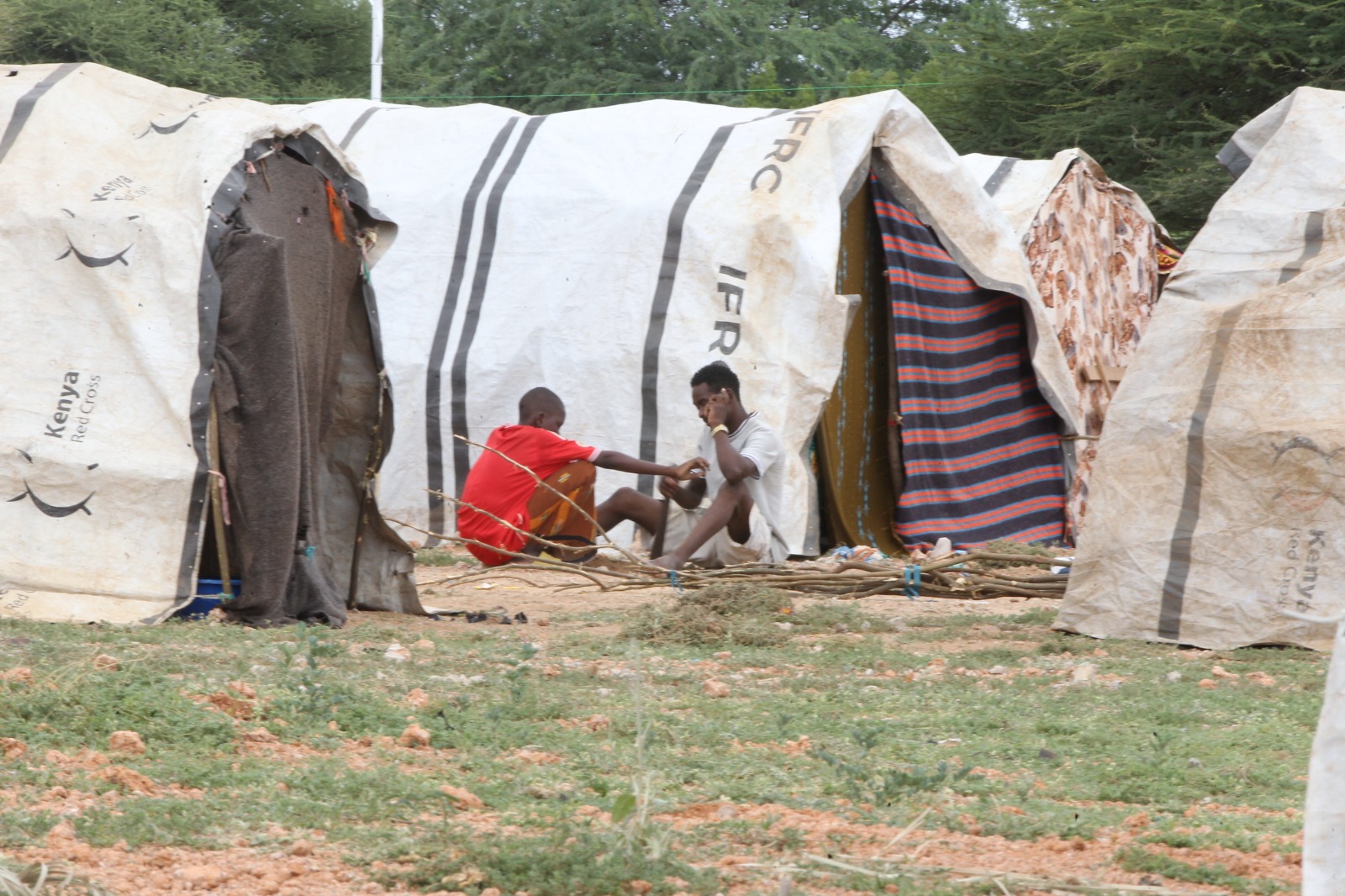 Internally displaced persons of floods from Mororo seated
outside their makeshift tent at the Farmers Training Centre in Garissa.
/STEPHEN ASTARIKO
Internally displaced persons of floods from Mororo seated
outside their makeshift tent at the Farmers Training Centre in Garissa.
/STEPHEN ASTARIKO
For displaced mother Khadija Swale, the floods have not only disrupted homes but also education for children in the area.
“Our lives have become about moving from one place to another whenever floods occur. Even schools are affected because they also flood,” she said.
Swale also raised concern over poor sanitation at the camps, saying families lacked toilets and proper waste disposal systems.
Bakuyu village headman Abubakar Mohamed Ali said at least 200 households in his area alone had been affected, with hunger emerging as the biggest challenge facing displaced families.
“We have nothing to eat and we want the government to intervene quickly,” he said.
Humanitarian agencies have since intensified assessments and evacuation efforts in affected areas.
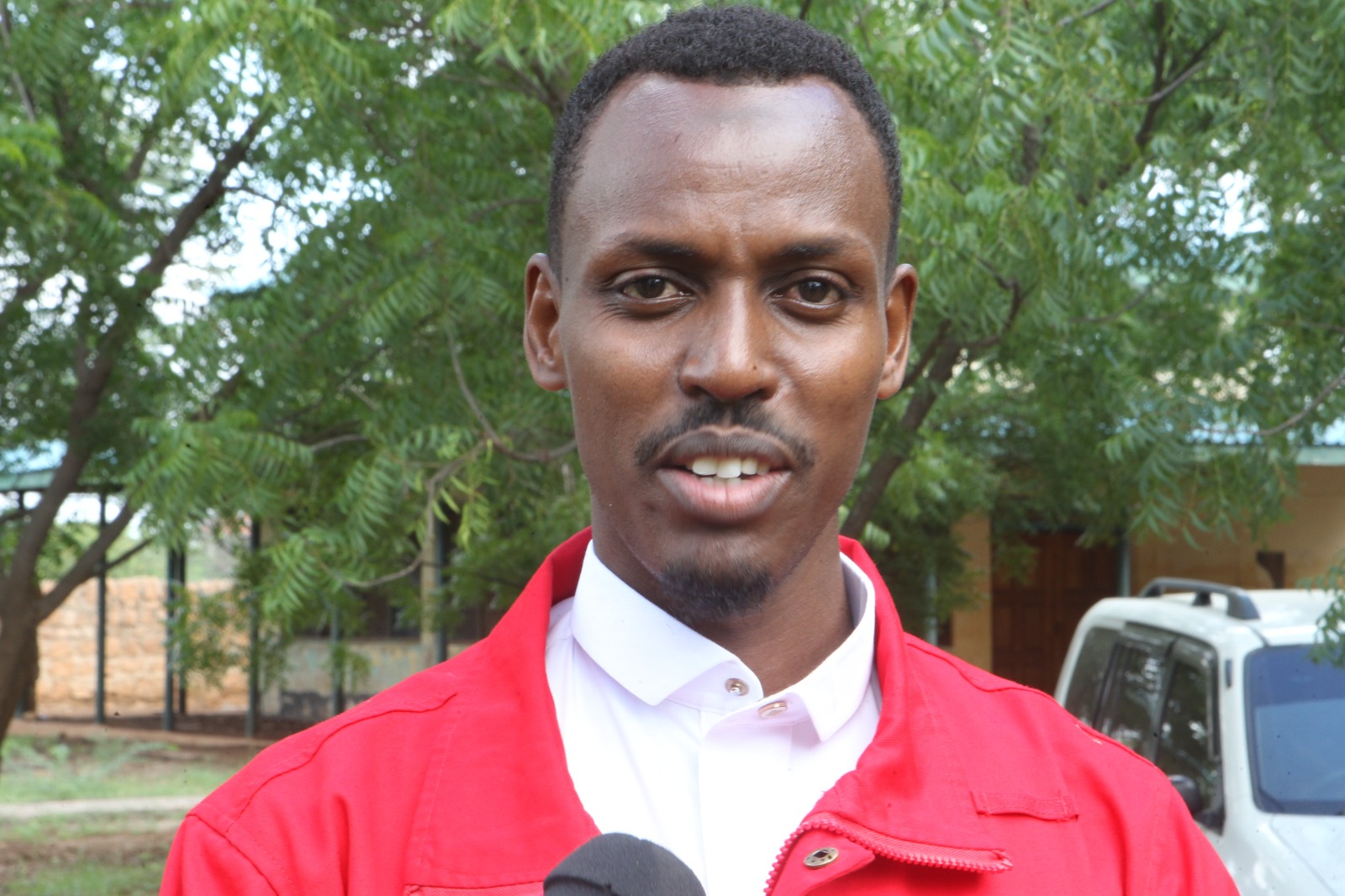 Garissa Kenya Red Cross coordinator Daud Ahmed speaking to
the press at the Garissa Farmers Training center that is hosting flood
victims./STEPHEN ASTARIKO
Garissa Kenya Red Cross coordinator Daud Ahmed speaking to
the press at the Garissa Farmers Training center that is hosting flood
victims./STEPHEN ASTARIKO
Garissa Kenya Red Cross coordinator Daud Ahmed said the organisation was conducting a multi-stakeholder assessment to establish the full scale of destruction and identify the most vulnerable families.
“We will provide differentiated assistance to the most vulnerable households through food supplies, non-food items and hygiene kits,” Ahmed said.
He added that Kenya Red Cross teams were also evacuating families trapped by floodwaters and warned residents against farming along riverbanks due to safety risks.
Last Thursday, Public Service, Human Capital Development and Special Programmes Cabinet Secretary Geoffrey Ruku visited Garissa and assured affected residents that the government was mobilising emergency support.
“The government is setting up relief interventions, including food and non-food assistance, for all families affected by the floods,” Ruku said.
He said the government was also exploring rehabilitation measures and possible compensation for affected households.
“We sympathise with the families affected and we will stand with them during this difficult period,” he added.
Even as relief efforts continue, fear remains high among residents as water levels continue to rise, threatening to displace thousands more families across the county.
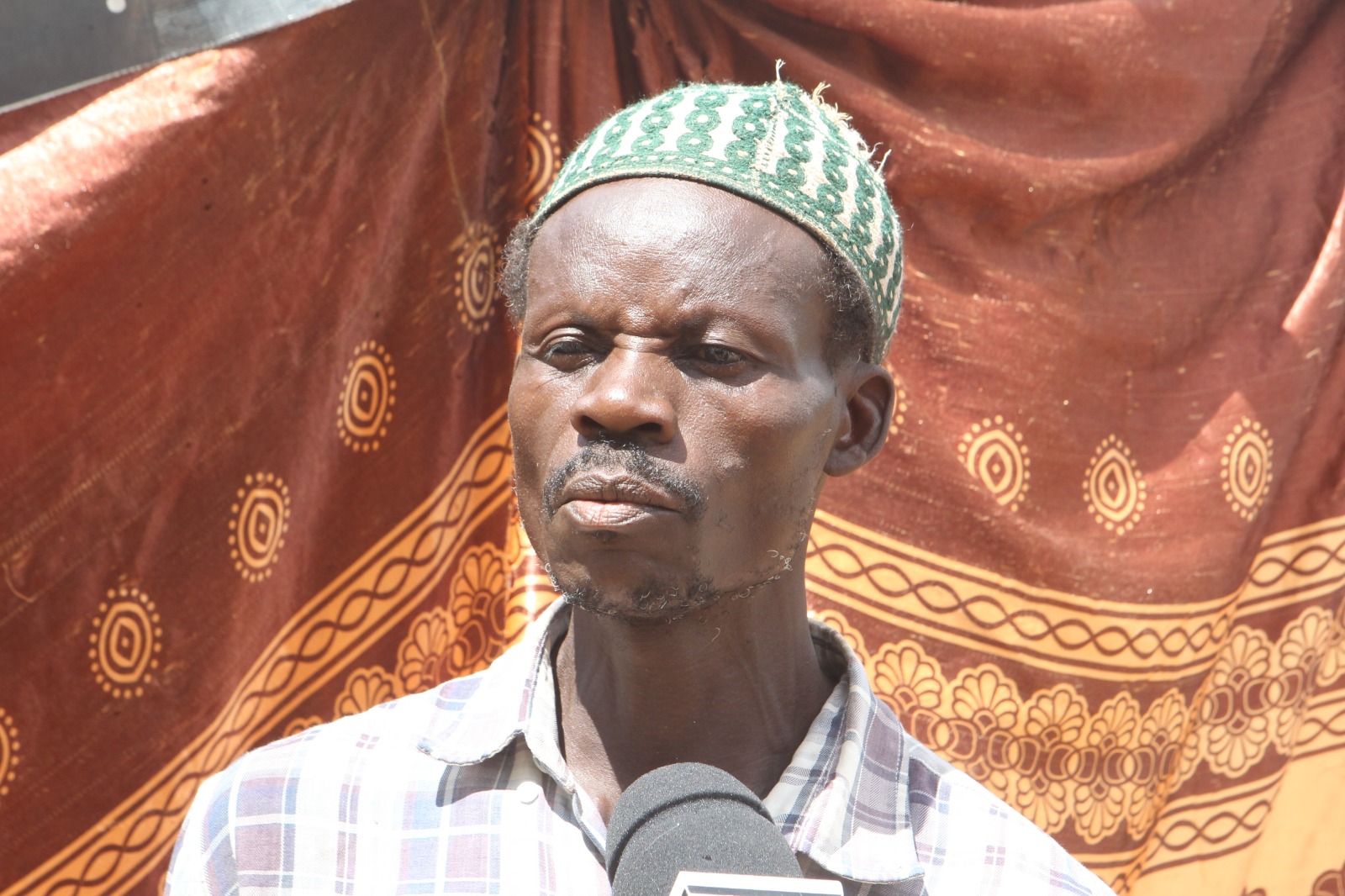 Issa Malio, a resident of Ziwani Village. /STEPHEN ASTARIKO
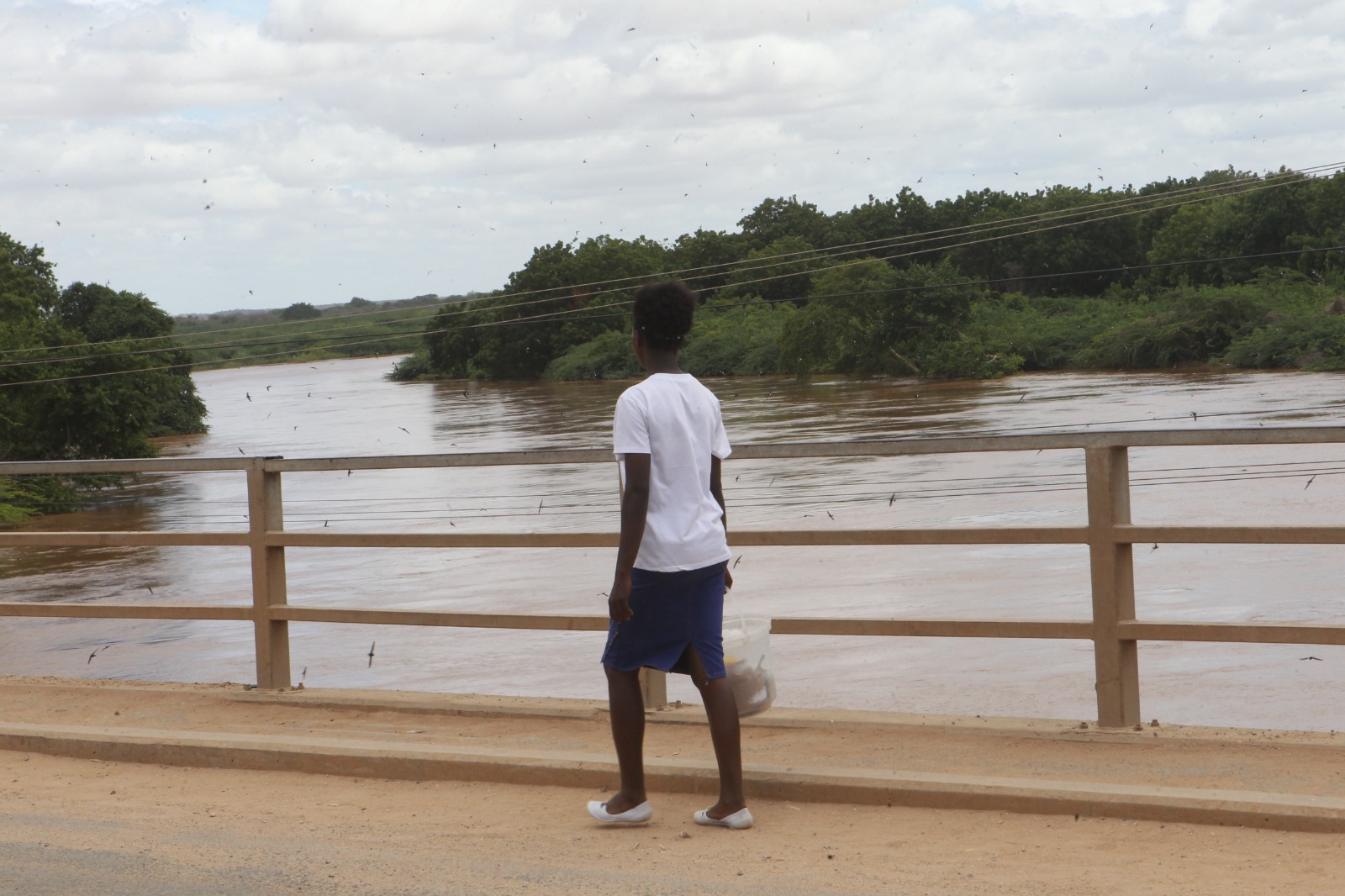 A woman crossing the River Tana bridge on Sunday./STEPHEN ASTARIKO