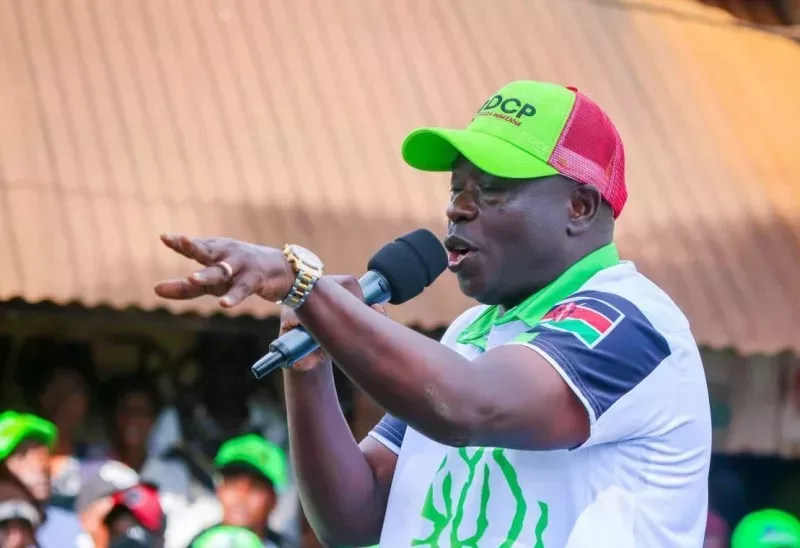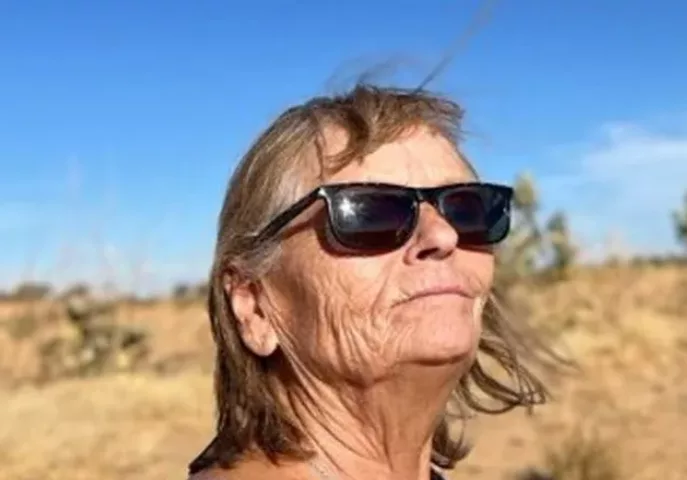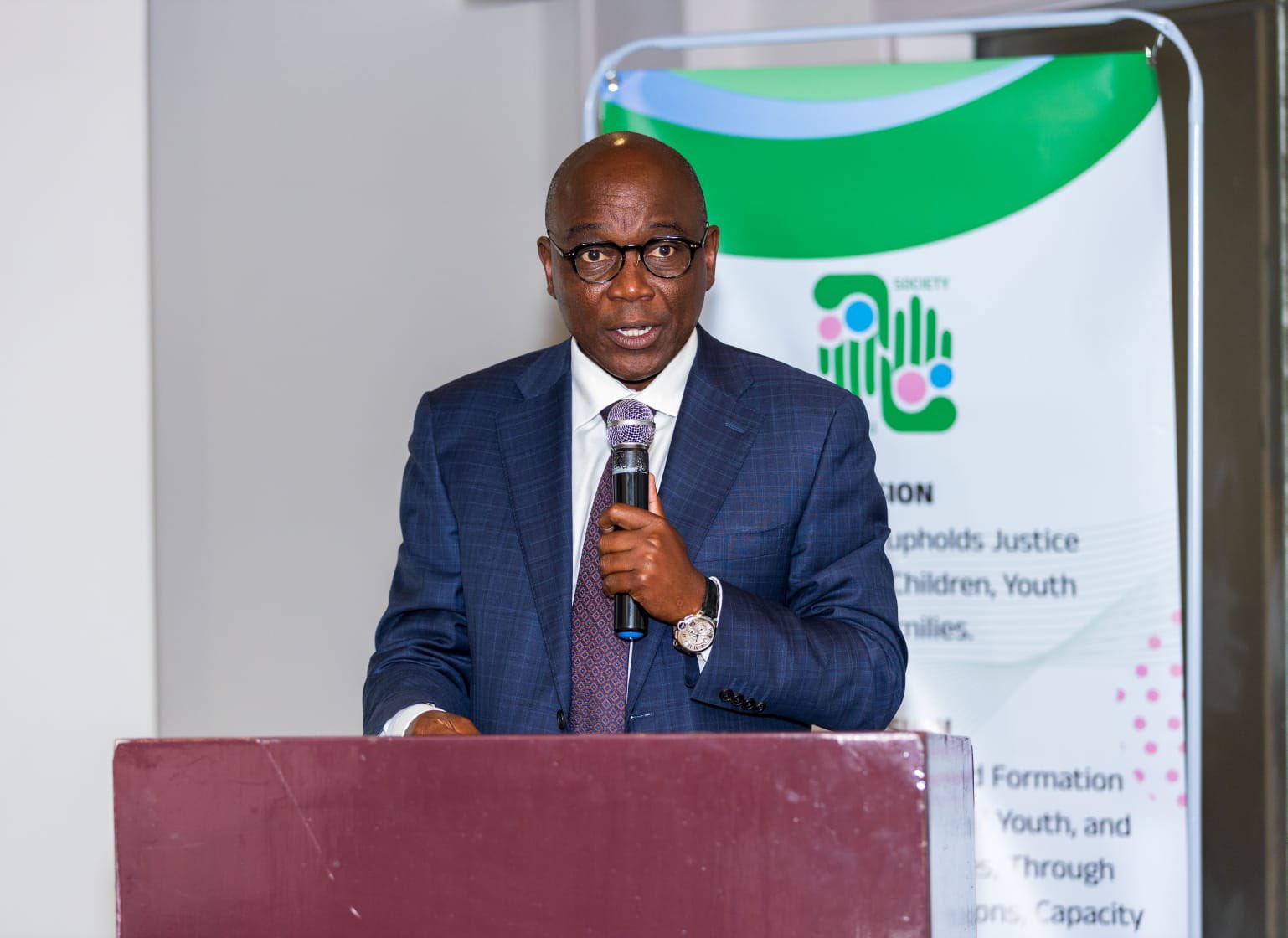
Suba South MP Caroli Omondi has claimed that retired President Uhuru Kenyatta urged former Prime Minister Raila Odinga to hold talks with President William Samoei Ruto following the Gen Z protests that rocked the country.
According to Caroli, the move was aimed at stabilising the government after protesters breached Parliament during the anti-government demonstrations.
In a video seen by the Star, Caroli claimed Raila did not initiate the engagement with Ruto on his own, but acted after a request from Uhuru, who was reportedly out of the country at the time.
“Gen Zs breached Parliament; in any other political system, that would lead to the collapse of the government,” Caroli said.
“Raila did not invite himself; it was retired President Uhuru Kenyatta, who was out of the country, who called Raila and asked him to go meet President Ruto and see how to stabilise the government, because nobody understood what would follow next if the government had failed on that day.”
Gen Zs across the country staged demonstrations, heightening political tensions.
The broad-based government was officially formed on March 7, 2025, when President Ruto and opposition leader Raila signed a memorandum of understanding at the Kenyatta International Convention Centre (KICC).
The agreement marked the beginning of a coalition between the United Democratic Alliance (UDA) and the Orange Democratic Movement (ODM), aimed at addressing national challenges such as debt, corruption, and political instability.
Before this, on July 11, 2024, President Ruto had dismissed nearly his entire cabinet in response to widespread protests against proposed tax hikes and government corruption. This move was part of efforts to form a more inclusive government.
The formation of the unity government significantly altered Kenya’s political landscape, blurring the line between opposition and government after several Raila allies were appointed to key cabinet positions.
John Mbadi was named Treasury Cabinet Secretary; former ODM deputy party leader Hassan Joho took over the Mining docket, while Opiyo Wandayi and Wycliffe Oparanya were handed the Energy and MSMEs portfolios, respectively.
Among the commitments under the 10-point agenda signed were the full implementation of the NADCO Report, protection of devolution, youth empowerment, and strengthening leadership integrity.
The deal also promised to uphold the right to peaceful assembly, improve debt management, fight corruption, and curb wastage of public resources while promoting constitutionalism and the rule of law.
Two years later, the government says several commitments under the 10-point agenda have begun to take shape, with initiatives targeting inclusion, youth empowerment, devolution, public accountability, and economic recovery.