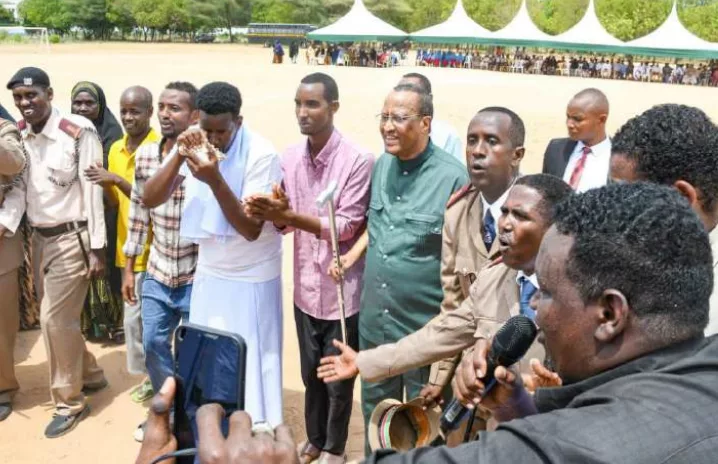
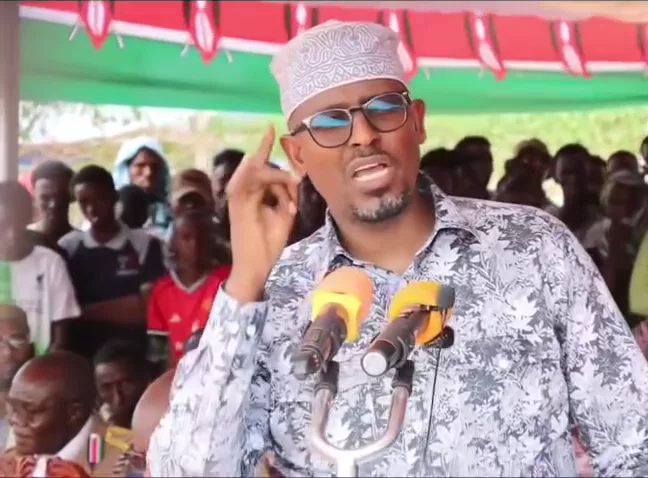
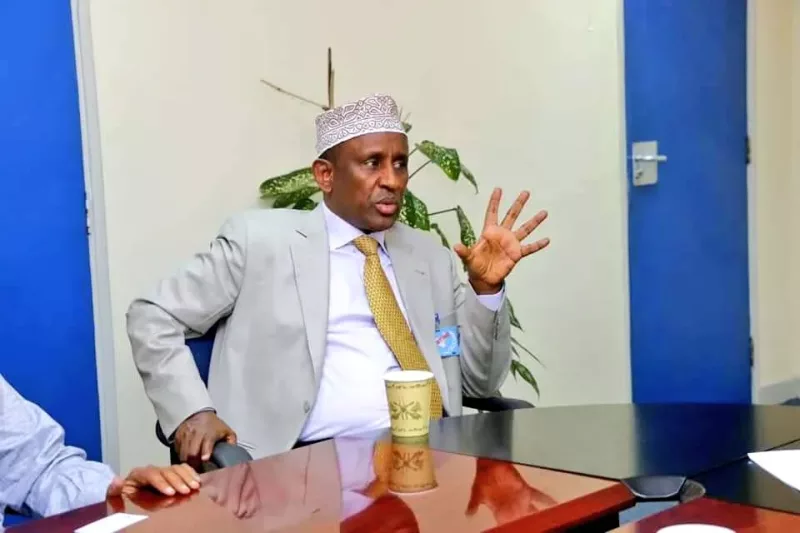
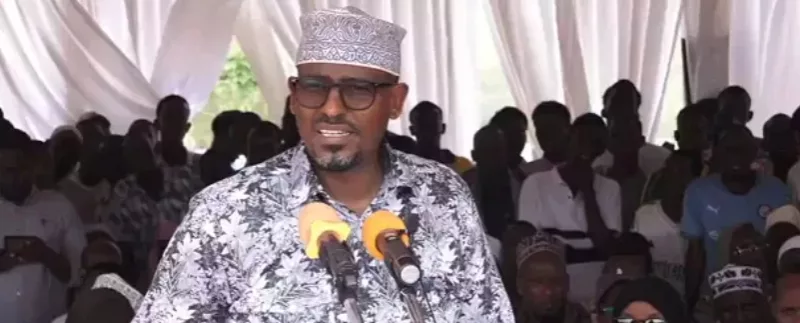
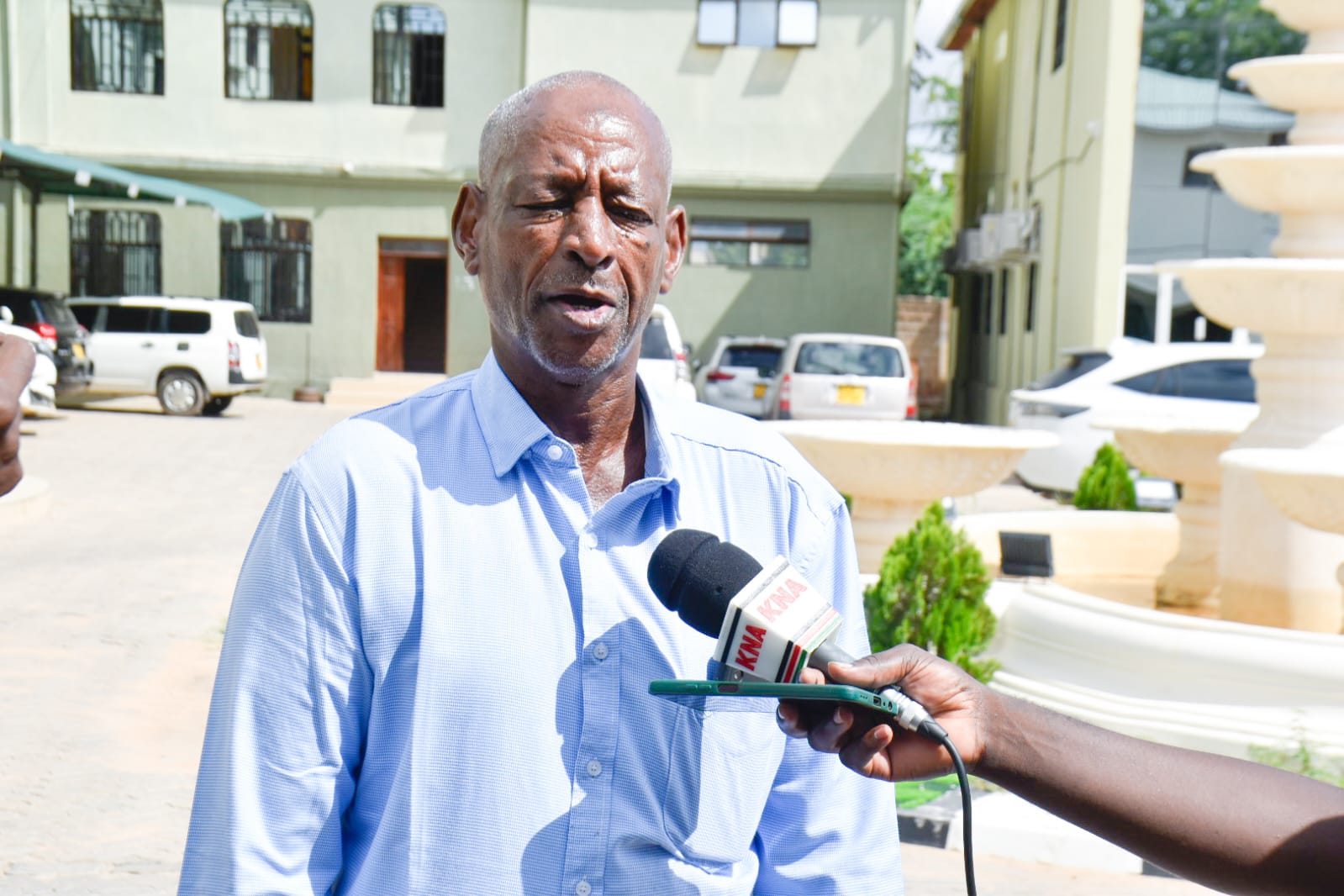
 Jarajila Ward MCA Noor Sheikh Farah speaking to the press. /STEPHEN ASTARIKO
A fresh storm is brewing over the government’s plan to integrate refugees from the Dadaab complex into host communities.
Jarajila Ward MCA Noor Sheikh Farah is accusing authorities of sidelining residents and local leaders in a process he says carries far-reaching consequences for Garissa County.
Farah, who chairs the County Assembly’s Special Programme Integration Coordination of NGOs and Security Committee, faulted the ongoing integration plan for lacking transparency, public participation and oversight, warning that locals are being left in the dark over a matter he described as “life and death”.
Speaking to journalists at the County Assembly, the MCA claimed the integration process has quietly been ongoing for nearly four years without formal engagement with the Assembly or meaningful consultation with residents expected to live with the outcome.
“This matter has been with us for four years, yet the Assembly has never been formally informed. We are learning about it just like ordinary citizens,” Farah said.
“The integration is being undertaken without following constitutional procedures. There has been no meaningful public participation, and even Members of the County Assembly remain unaware of what is happening,” he added.
The MCA said he was particularly concerned that despite heading the committee tasked with matters touching on integration and security, he had not been briefed on the initiative.
Farah further alleged that huge sums of money, including funding from the World Bank intended to support host communities, had been spent without proper accountability.
He also accused international partners of failing to honour earlier promises made to local residents hosting refugees in the region.
According to Farah, previous engagements with UN officials included assurances that at least 10 per cent of refugee-related programmes would directly benefit host communities — commitments he says remain unmet.
“Our community has suffered. Pastoralists are struggling due to lack of pasture, and the environment has been severely degraded,” he said.
The MCA now wants Interior Cabinet Secretary Kipchumba Murkomen to urgently visit Garissa and address concerns surrounding the integration plan.
“This is a matter of life and death. The ministry must come clean and address it openly,” he stated.
Farah also hinted at possible political consequences if the government fails to involve local leaders and residents in the process.
The debate comes amid Kenya’s broader shift away from traditional refugee camps toward integrating refugees into local communities.
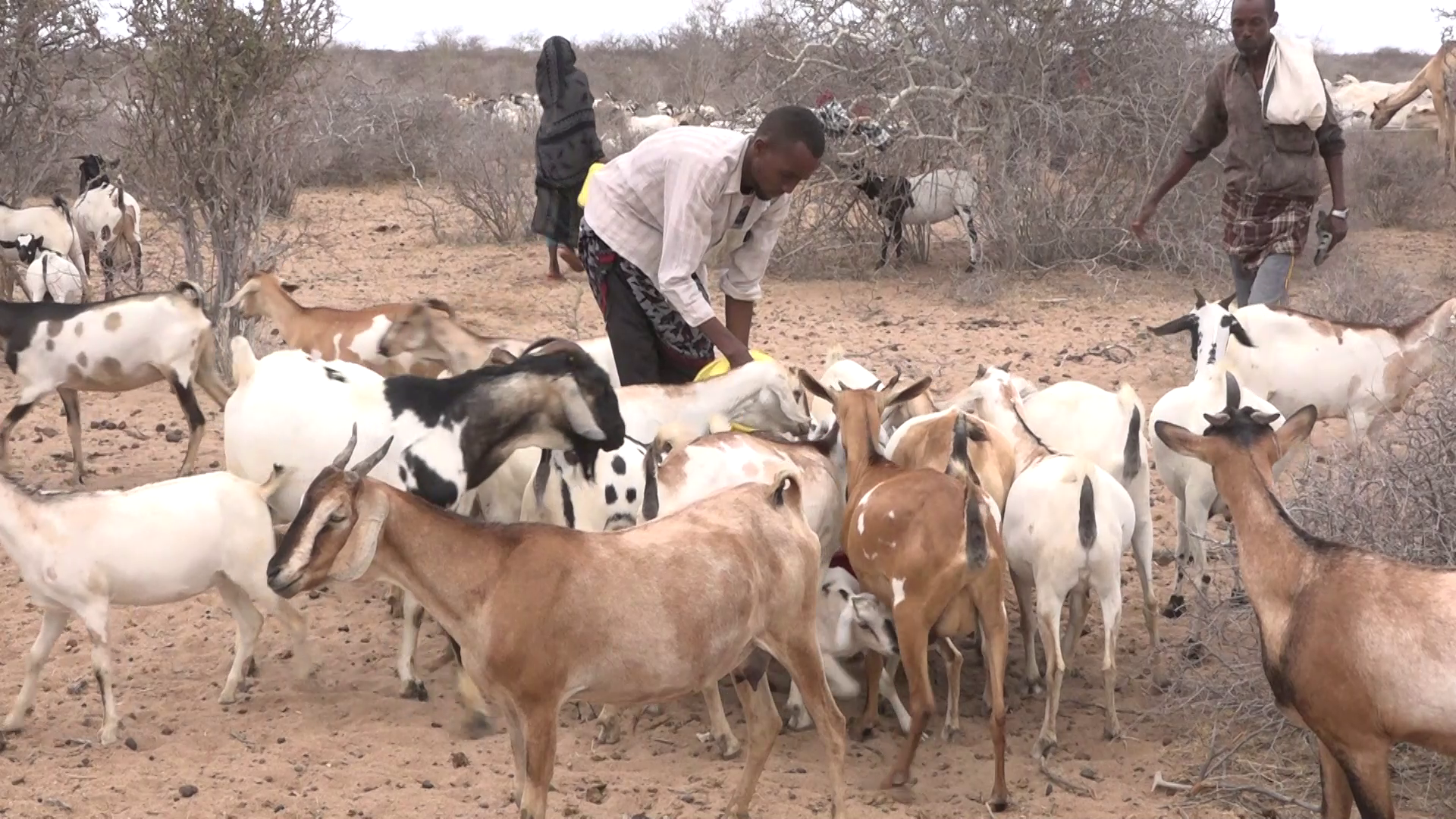 Pastoralists looking after their animals in Hagadera. /STEPHEN ASTARIKO
Dadaab, Kenya’s largest refugee complex, currently hosts about 442,934 refugees and remains one of the world’s longest-running refugee settlements.
The transition gained momentum following the enactment of the Refugees Act, 2021, which created a legal framework for refugee inclusion and protection.
In 2022, the government announced plans to gradually move away from camp-based systems, a policy later reinforced through the Shirika Plan launched in 2023 in the presence of President William Ruto.
The plan seeks to help refugees become self-reliant by allowing them to work legally, access essential services and establish businesses, while eventually transforming camps such as Dadaab and Kakuma into integrated municipalities managed by county governments.
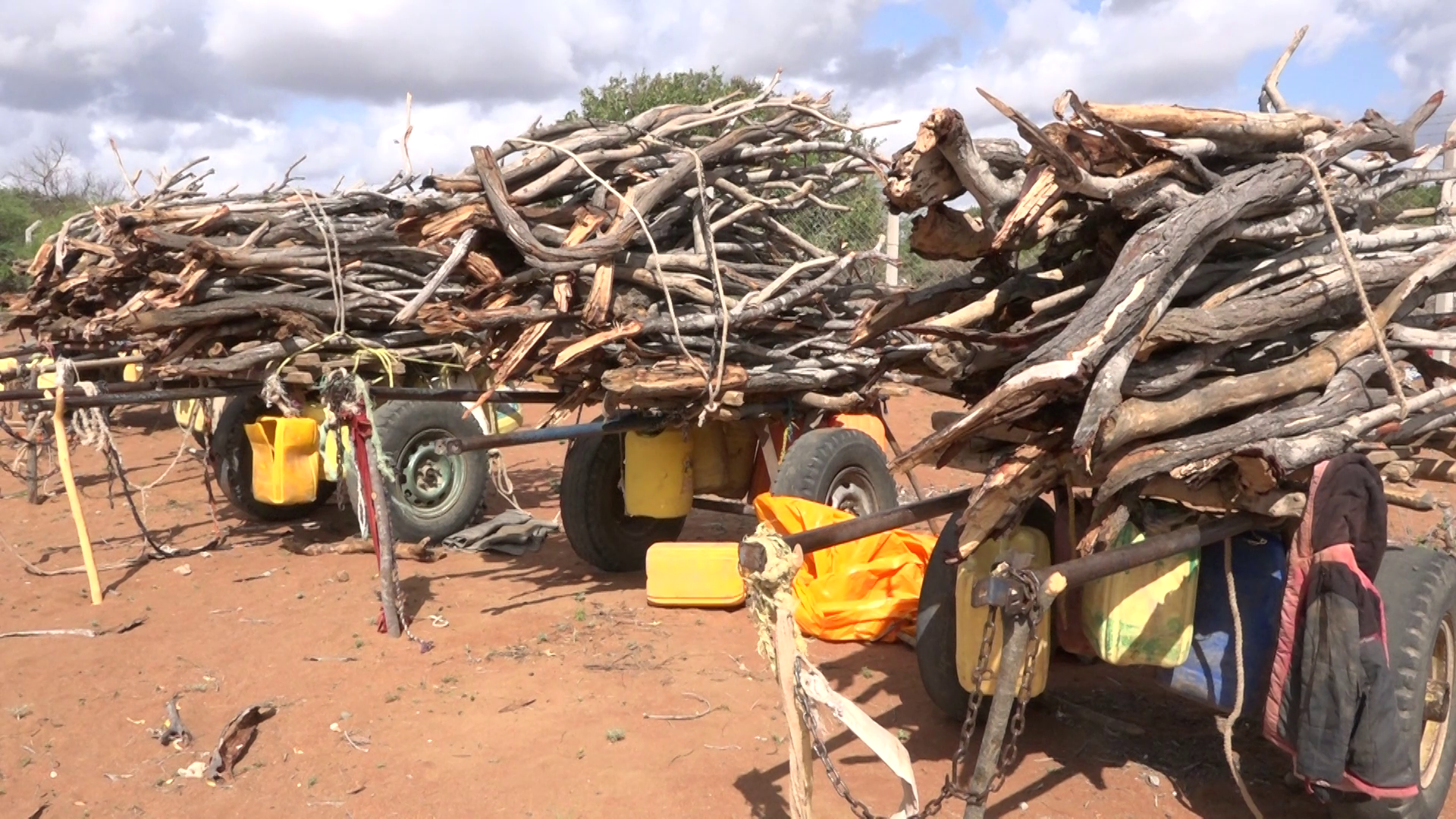 Donkey carts loaded with firewood were intercepted and packed at the Liboi police station. /STEPHEN ASTARIKO
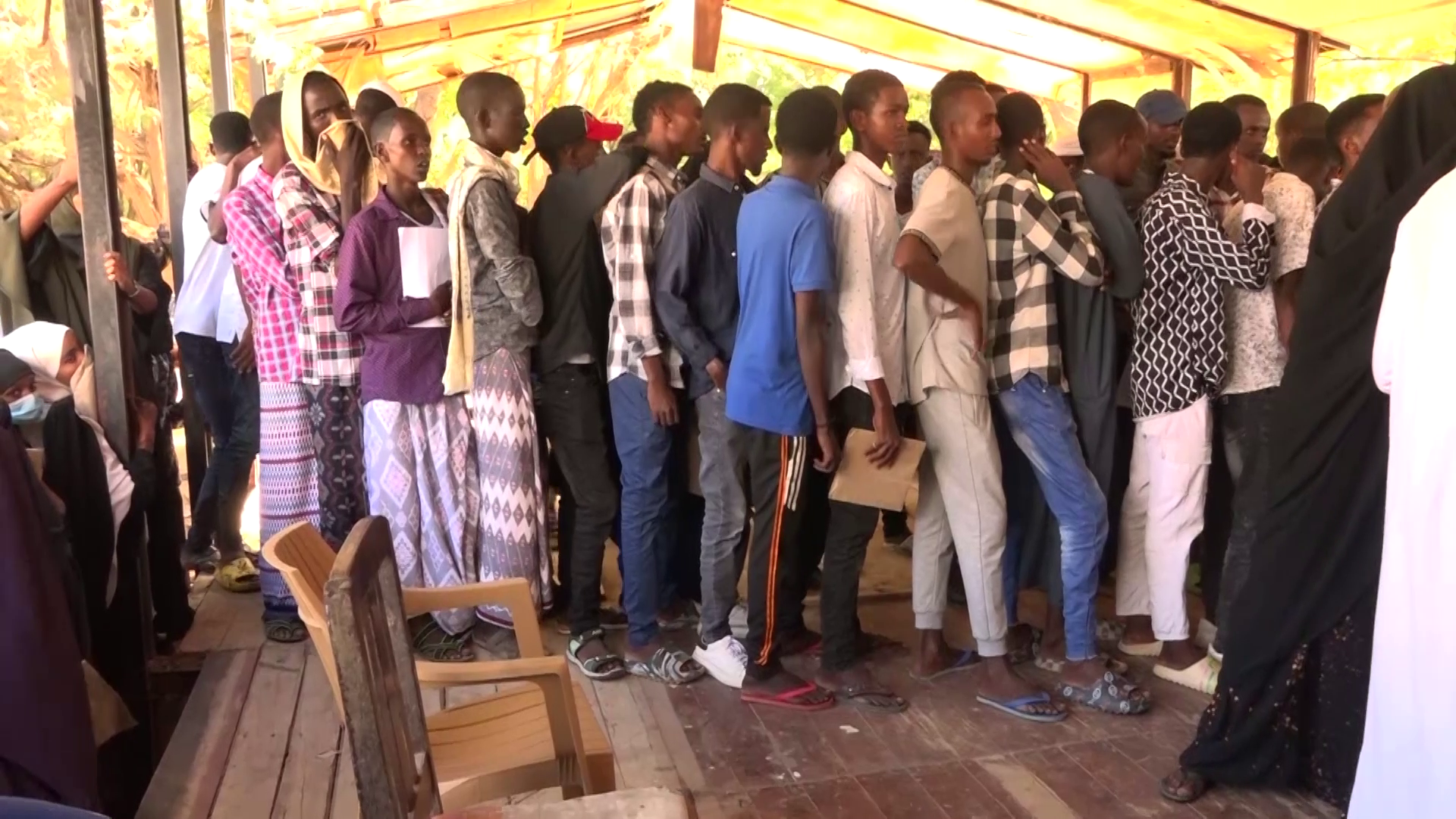 Refugees from Ifo camp lining up for registration ./STEPHEN ASTARIKO